
Last updated September 24, 2026
Free in-home measure and quote - PGT, CGI and CWS impact lines compared on your actual openings, style by style
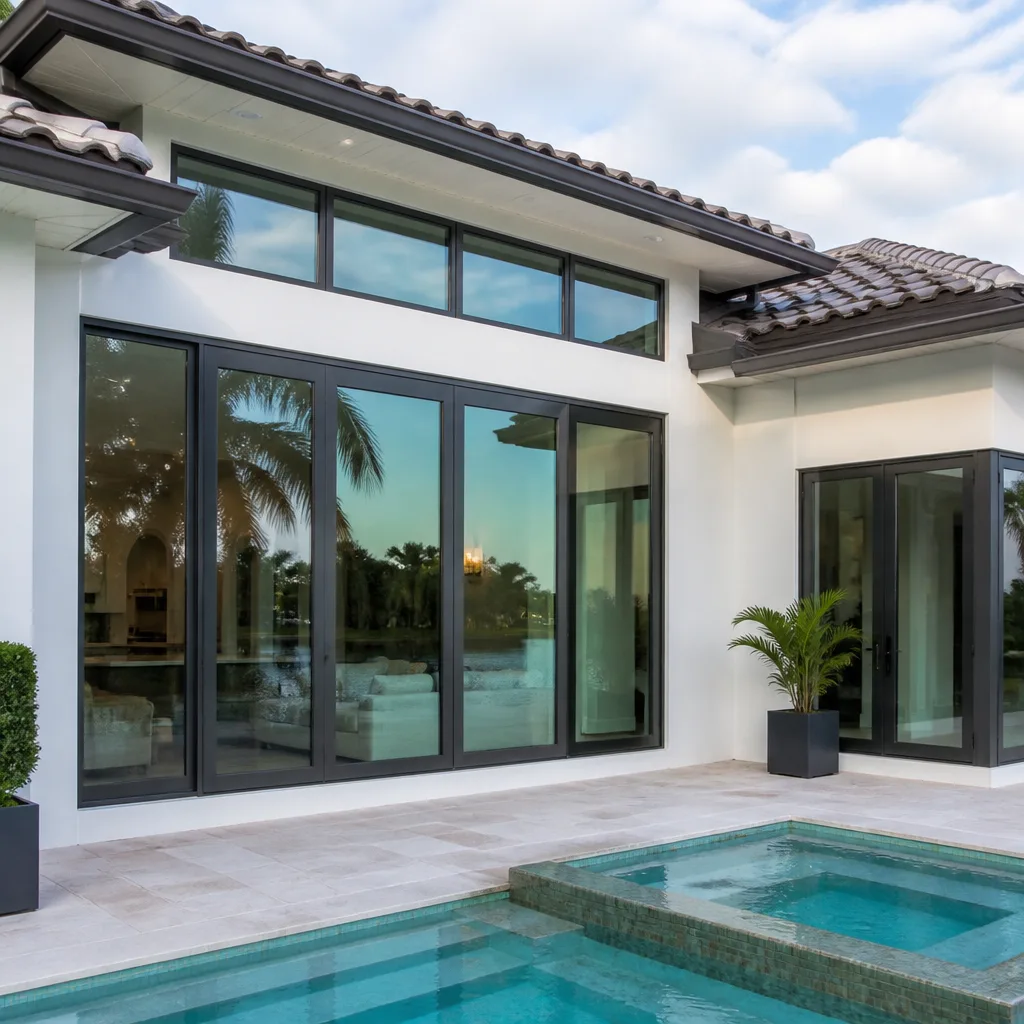
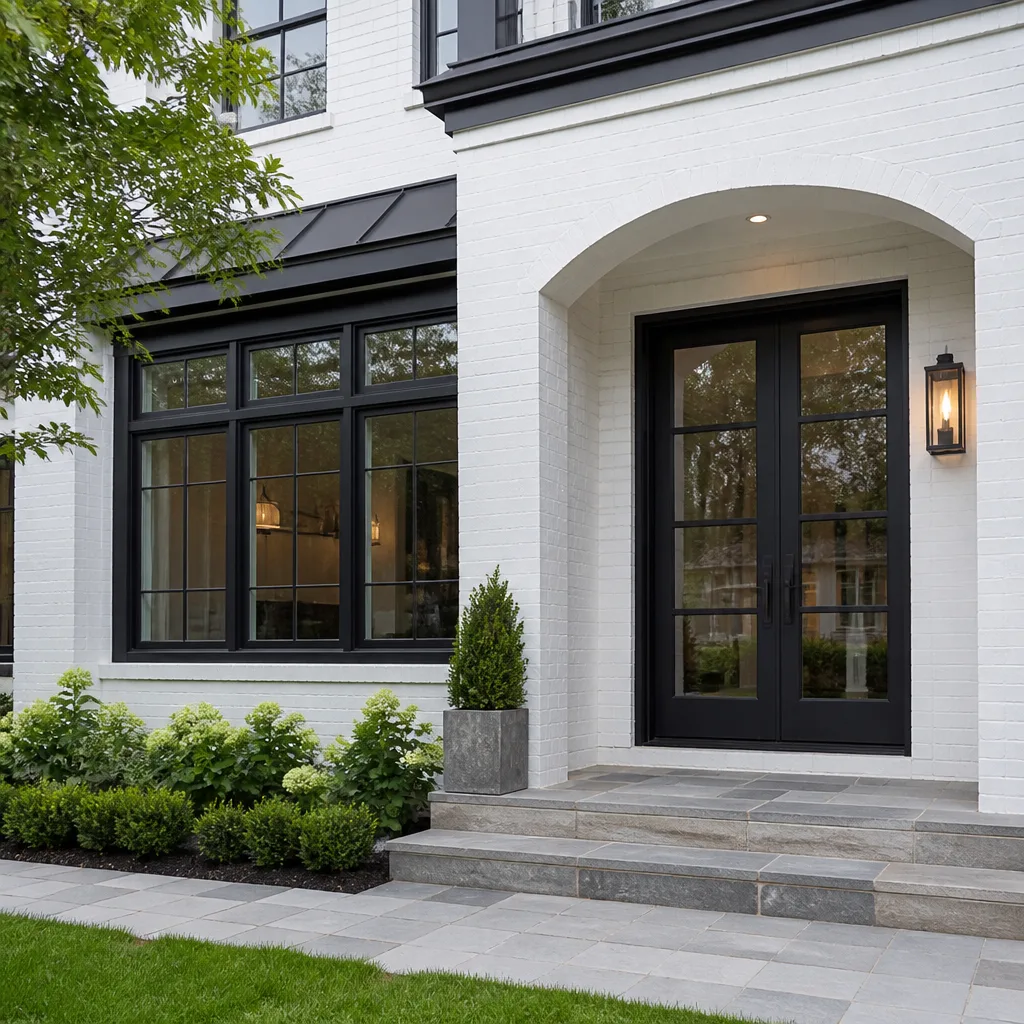
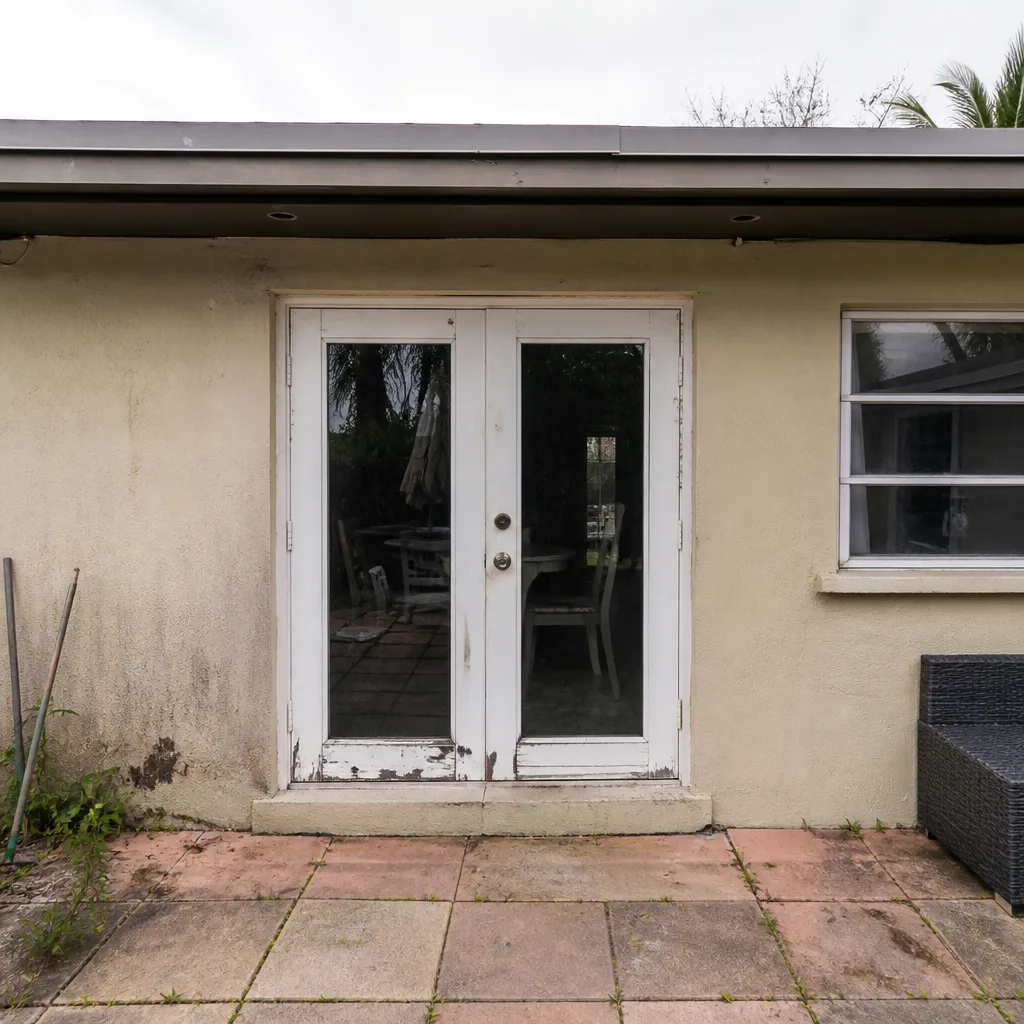 Before
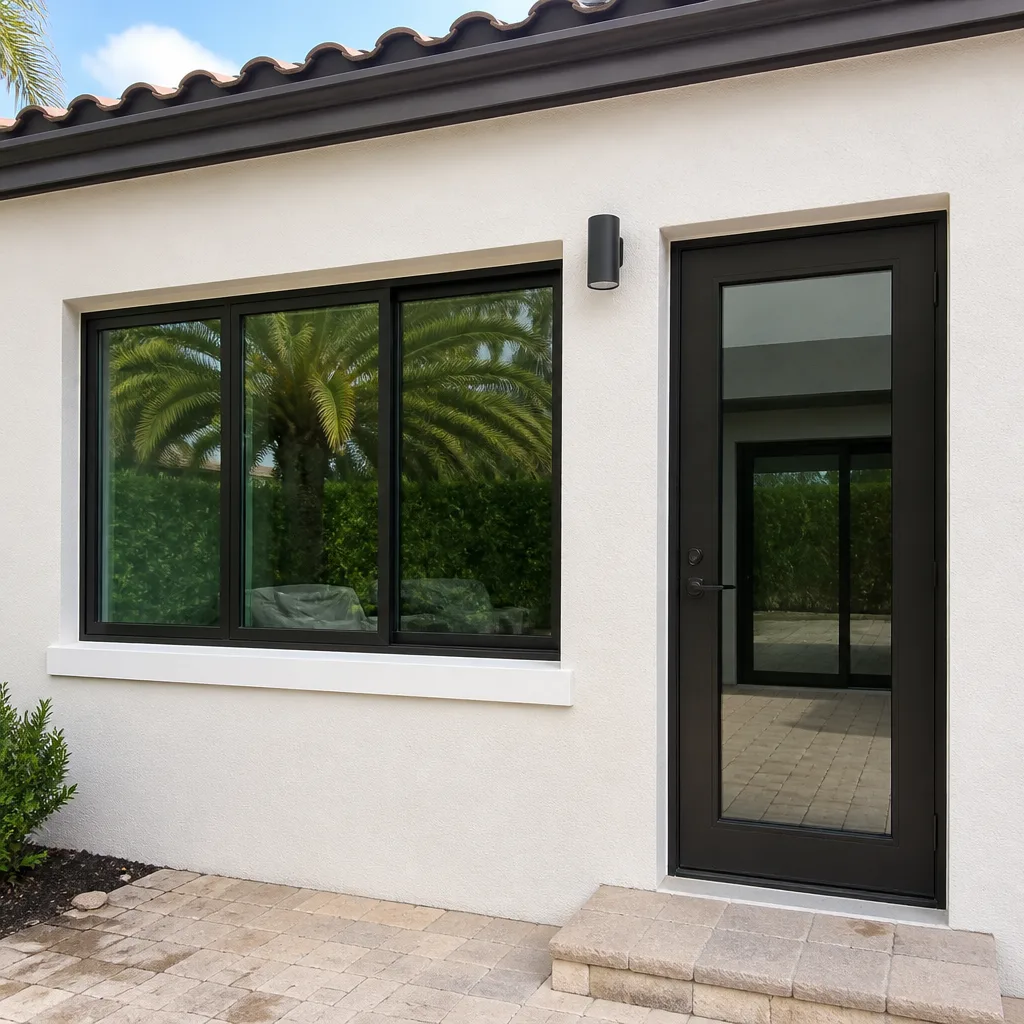 After
After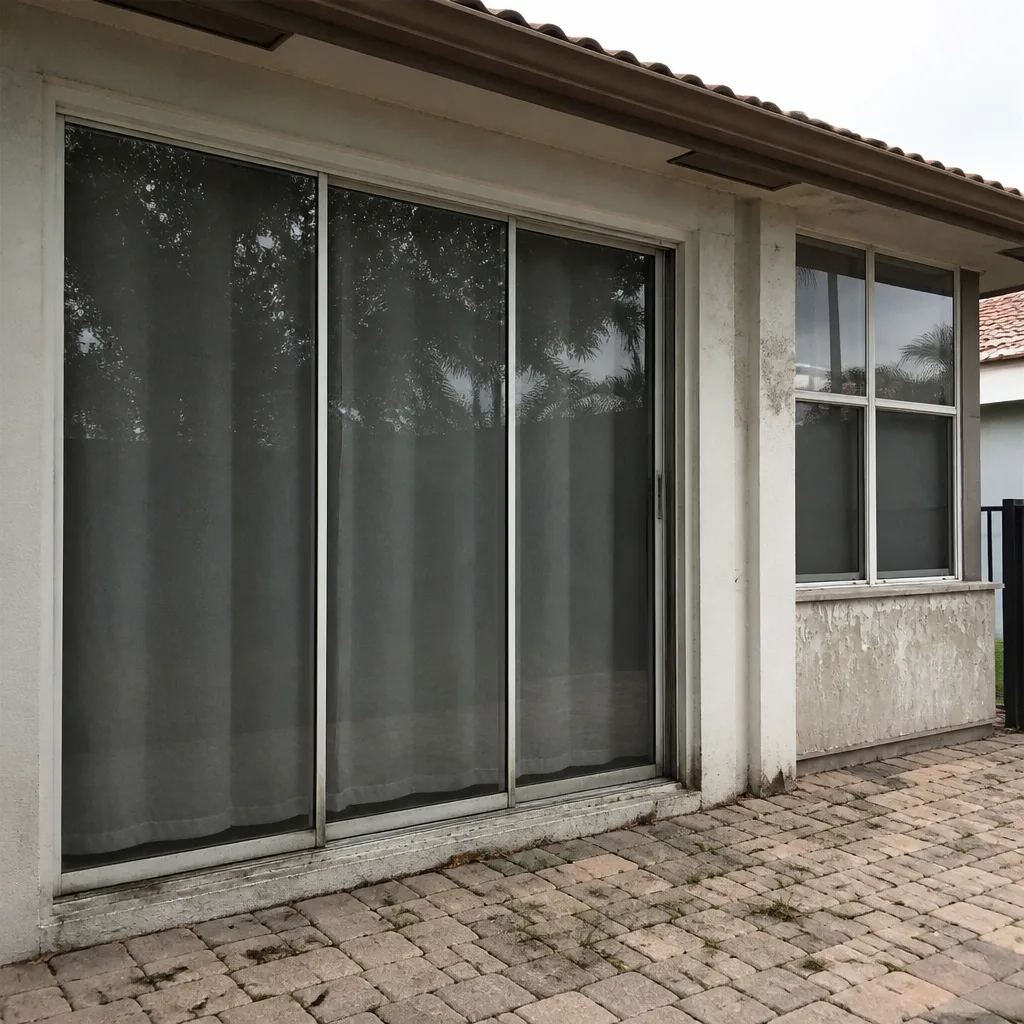 Before
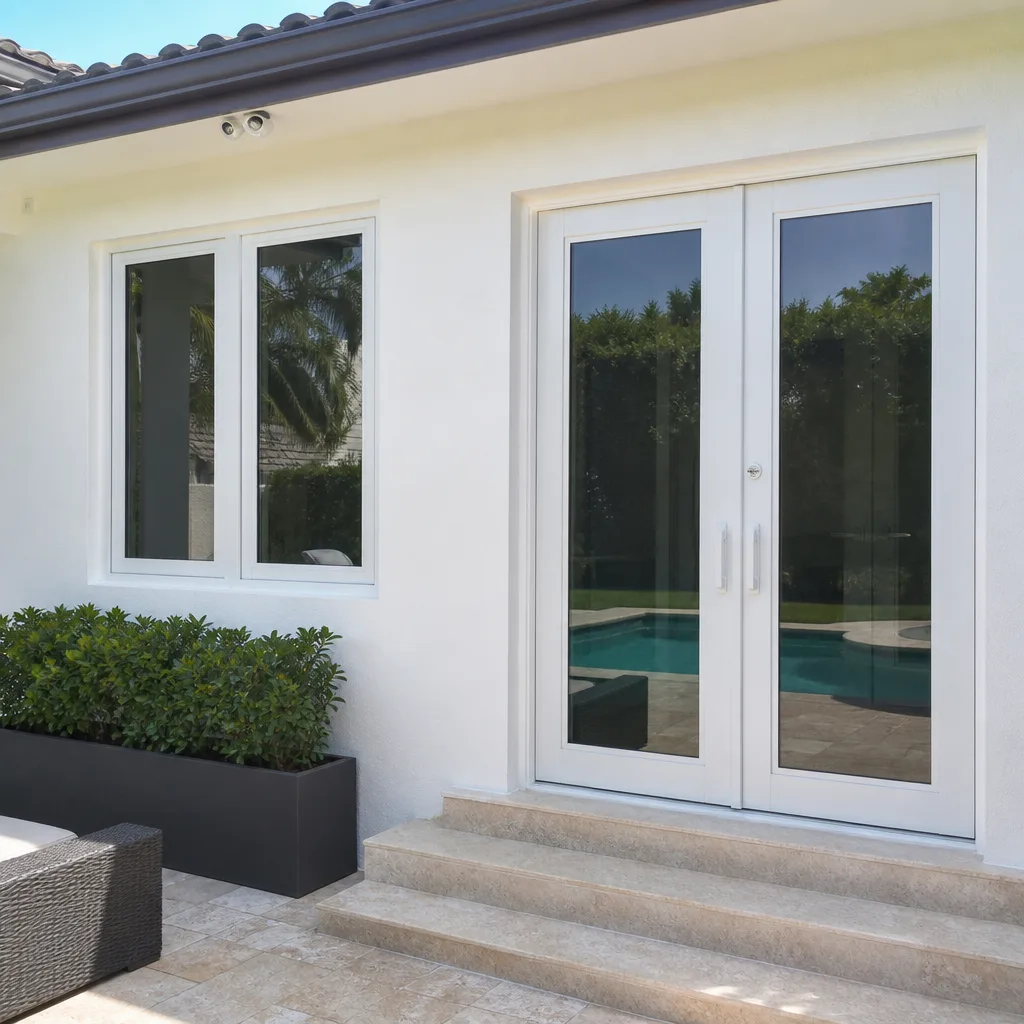 After
After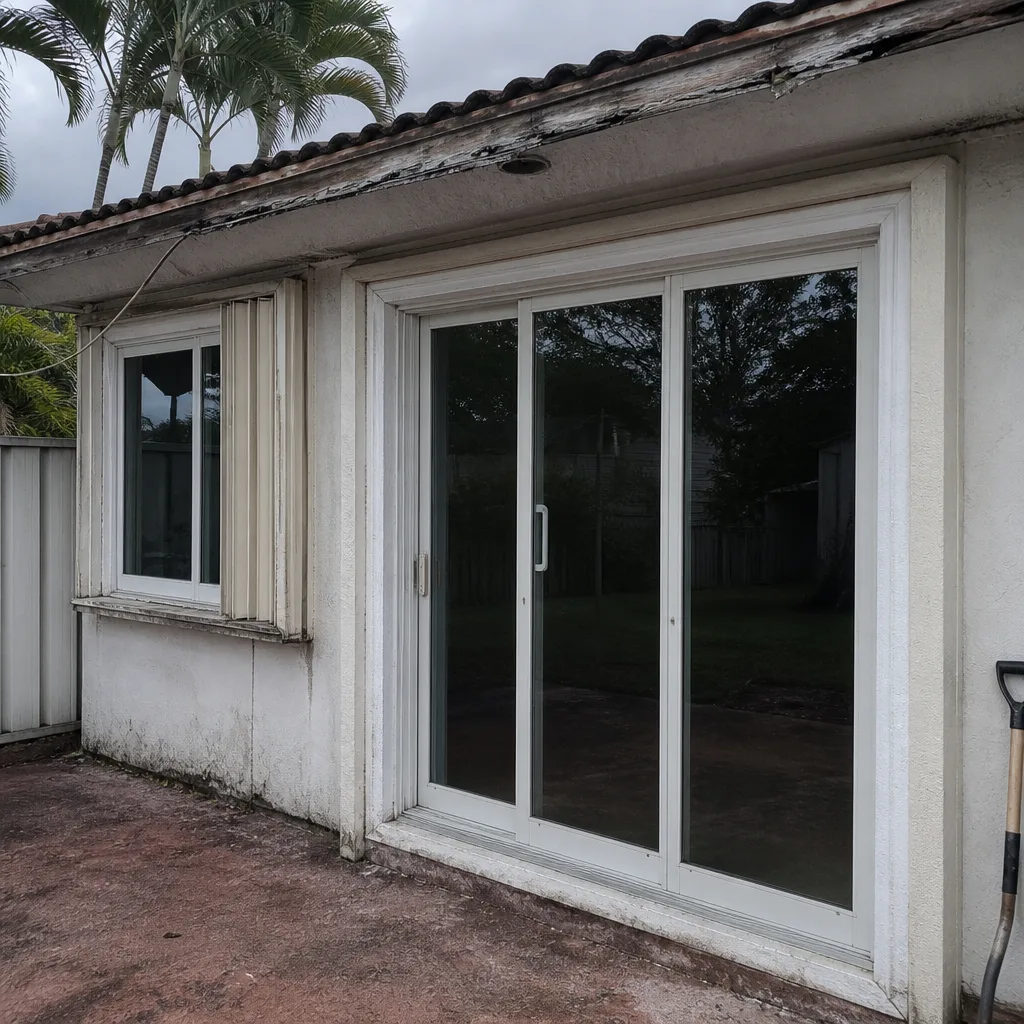 Before
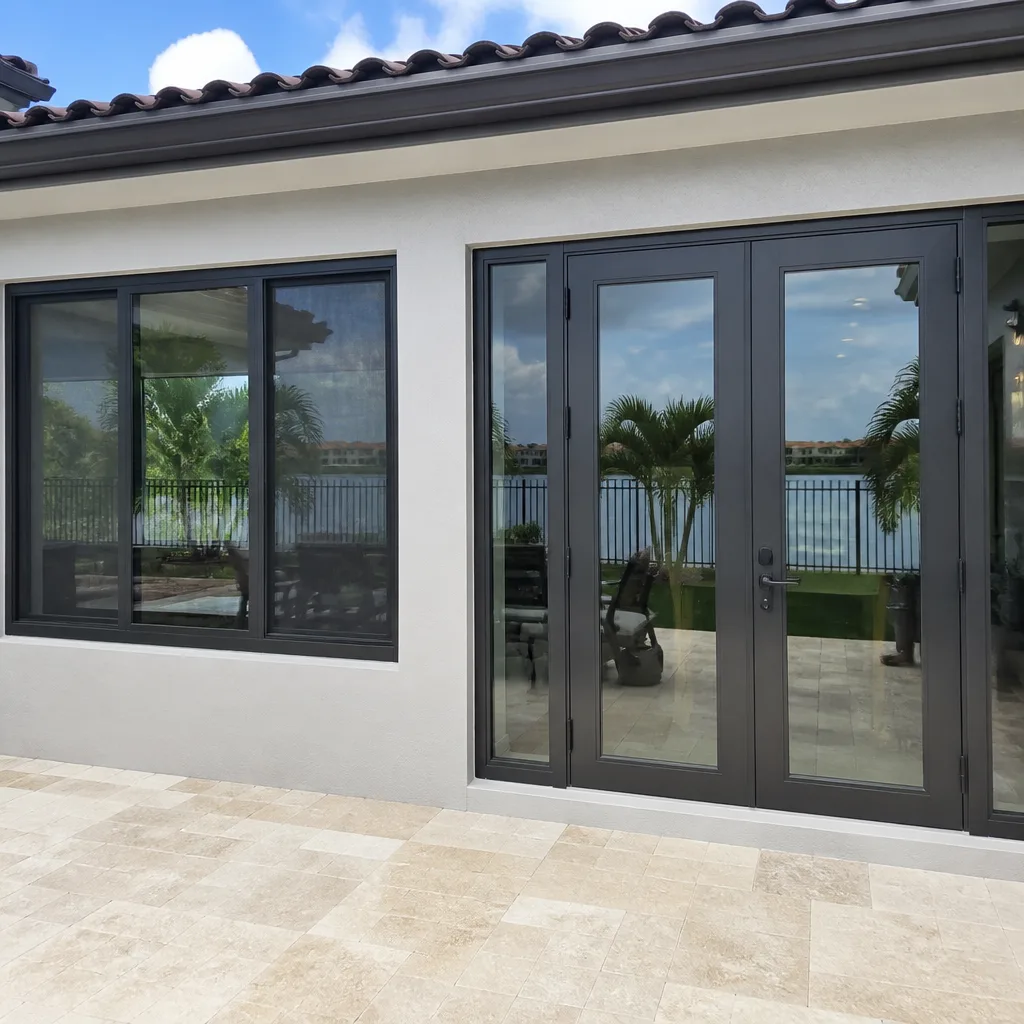 After
AfterDIY vs Professional Windows & Doors: The Doral Homeowner’s Decision Guide
A homeowner in Doral who self-installs an impact window perfectly - correct product selection, proper anchors, clean sealant beads - still cannot legally close the permit without a licensed contractor of record. The installation remains technically unpermitted regardless of workmanship quality. This single fact reshapes the entire DIY vs. professional debate for Doral properties, because Florida Statute 489 and Miami-Dade County’s High Velocity Hurricane Zone (HVHZ) amendments do not carve out exceptions for skilled amateurs. In this guide, we’ll walk through the exact legal boundaries, the three tasks where homeowner involvement actually saves money, the technical specifications that make impact-rated installation a specialty trade, and a five-minute decision tree to determine whether your project has any legitimate DIY component at all.
Quick Answer
Most window and door replacement projects in Doral cannot be completed as DIY undertakings because Florida law requires a licensed contractor to pull the permit and serve as contractor of record - a process we detail in our How to Hire a Windows & Doors Contractor in Doral: A Step-by-Step Guide. Homeowners can legally perform interior trim removal, minor stucco patching after professional frame setting, and post-installation hardware adjustments - but the structural installation, waterproofing, and permit closure must be handled by a state-licensed professional working under HVHZ standards.
Table of Contents
- What Florida Law Actually Requires for Window and Door Work
- HVHZ Installation Standards: Why Technical Skill Is Not Enough
- The Three Tasks Where DIY Actually Saves Money
- The True Cost of a DIY Attempt That Needs Remediation
- Five-Minute Decision Tree: Is Any Part of Your Project DIY-Eligible?
- Impact Product Selection: What the Labels Mean in Doral
- Common Mistakes to Avoid
- When to Call a Professional
- Frequently Asked Questions
- The Bottom Line
 Before
 After
AfterWhat Florida Law Actually Requires for Window and Door Work
Florida Statute 489.103 defines the scope of work requiring a licensed contractor, and window and door installation in Miami-Dade County falls squarely within the “contractor” category when the work involves structural openings, impact-rated products, or any modification to the building envelope. The statute does not distinguish between “simple” and “complex” installations - it distinguishes between work that affects the structural integrity or weather protection of a dwelling and work that does not.
Miami-Dade County’s local amendments add a critical layer: in the High Velocity Hurricane Zone, which includes all of Doral, any replacement of an existing window or door with an impact-rated product requires permitting through the Miami-Dade Building Department. The permit application must name a licensed contractor as the contractor of record. A homeowner cannot serve as their own contractor of record for this work category.
Here’s where Doral homeowners often misunderstand the boundary. Florida does allow owner-builder permits for certain construction categories, but with specific restrictions. An owner-builder can pull a permit only for work on their own single-family residence that they occupy, and only for work that does not require a licensed contractor under statute. Because impact window and door installation in HVHZ zones requires a licensed contractor, the owner-builder pathway is effectively closed for these projects.
The legal exposure differs significantly between two scenarios. If a homeowner performs unpermitted work without ever pulling a permit, they face standard enforcement: stop-work orders, fines, and mandatory removal or remediation. But if a homeowner pulls an owner-builder permit for work that statute assigns to licensed contractors - or performs work under a permit that names a contractor who did not actually supervise the installation - they face a separate category of liability. Insurance carriers in Florida have denied claims based on unpermitted work, and property disclosures for future sale require permit status documentation. A Doral homeowner who installed their own impact windows in 2023 may discover in 2027 that the absence of a properly closed permit becomes a closing contingency or insurance underwriting issue.
We have reviewed competitor quotes for Doral homeowners who began as DIY projects and needed professional remediation for permit closure. The pattern is consistent: the homeowner performed competent carpentry, purchased appropriate products, but cannot produce the documentation chain that Miami-Dade requires. The contractor of record must be able to demonstrate that the installation meets HVHZ standards through every phase - not merely the finished appearance.
HVHZ Installation Standards: Why Technical Skill Is Not Enough
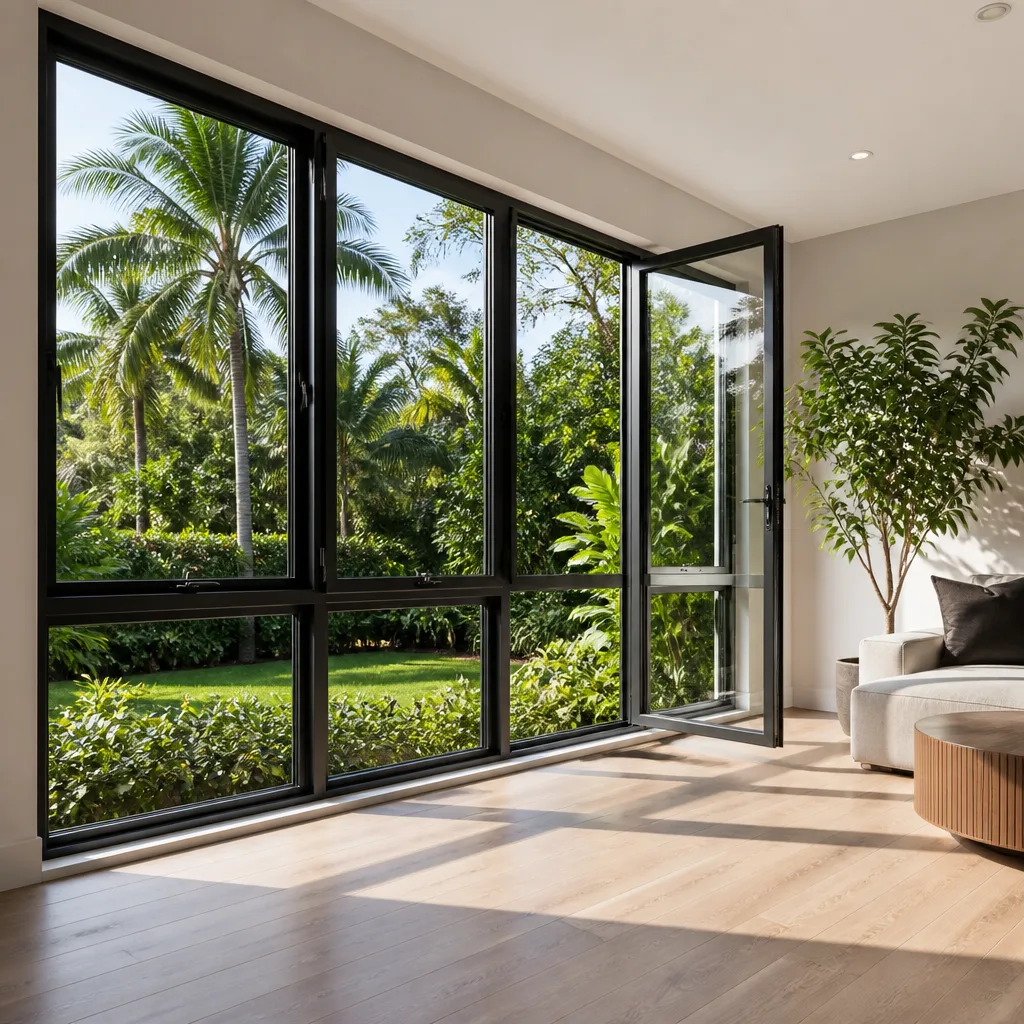
The Miami-Dade County HVHZ installation standards for windows and doors exist because the building envelope in this region must withstand sustained wind pressures and missile impacts that would destroy standard construction. These standards are not guidelines or best practices. They are inspection checklists with pass-fail criteria, and they specify measurements that a skilled carpenter without specialty training would not know to verify.
Consider three specifications that govern every impact window installation in Doral:
- Minimum embedment depth for anchors by substrate type. Concrete block construction - the dominant wall type in Doral’s 1980s-2000s housing stock - requires minimum embedment of 1.5 inches for expansion anchors or 2.0 inches for adhesive anchors, with specific edge distances and spacing patterns that vary by frame profile and opening dimension. Wood frame construction, found in some Doral infill and renovation projects, uses different anchor types with different torque specifications. The installer must identify the substrate correctly, select the appropriate anchor, and document the embedment depth. We have measured competitor installations where anchors achieved only 0.875 inches of embedment in hollow block - sufficient to hold the frame in calm weather, insufficient for HVHZ loading.
- Sill pan slope requirements. Every window installation in Miami-Dade requires a sloped sill pan that directs water to the exterior. The slope must be continuous and must achieve minimum 1/4 inch per foot toward the exterior, with end dams that prevent water migration into the wall cavity. The sill pan material must be compatible with the frame material and the sealant system. In Doral’s climate, with annual rainfall exceeding 60 inches and humidity that prevents rapid drying, a flat or reverse-sloped sill pan will eventually produce concealed rot. We have removed frames in Doral’s Doral Isles and Doral Park neighborhoods where the sill pan was present but improperly sloped - the homeowner saw no leak, but moisture meter readings showed elevated wood moisture content behind the interior trim.
- Glazing tape compression tolerances. Impact-rated windows rely on glazing tape or wet glazing to retain the glass under wind-borne debris impact. The tape must be compressed within a specified range - typically 30-50% of original thickness - to achieve both the structural retention and the weather seal. Over-compression degrades the tape’s elastic recovery; under-compression permits water intrusion. This measurement requires a feeler gauge and knowledge of the manufacturer’s specified compression range, which varies by product line. A PGT WinGuard vinyl window and a CGI Estate Collection aluminum window use different glazing systems with different tolerances.
These specifications are inspected against a written Window Installation Maintenance Checklist for Doral Homeowners, not the installer’s judgment. Miami-Dade building inspectors verify anchor embedment, sill pan slope, and glazing compression at rough-in and final inspections. A DIY installer who achieves correct values without documentation has no path to demonstrate compliance. A professional installation under the Haven Standard includes the measured survey, the written scope, and the documented photo record that satisfies this inspection requirement.
The Window Installation in Doral process we follow specifies every one of these values in the written quote - the same document that governs the installation and the final invoice. Haven Clause 1: Have it in writing. The measurement and the price are the same document.
The Three Tasks Where DIY Actually Saves Money
Despite the legal and technical barriers to full DIY installation, there are three specific tasks where a Doral homeowner’s involvement is legitimate, cost-saving, and does not compromise the permit or the warranty. We specify these in our written scopes when homeowners request them, and we document the division of responsibility in the photo record.
- Interior trim removal and replacement. The interior trim - casing, stool, apron - is not part of the structural installation or the weather barrier. A homeowner can remove existing trim before our crew arrives, preserving materials if they match existing profiles, and can install replacement trim after we complete the window setting and sealant work. This saves approximately 1-1.5 hours of labor per opening, which at Doral market rates translates to $75-$150 per window. The homeowner must understand that trim removal exposes the rough opening, and any damage to the framing or plaster during removal becomes a change-order item if we discover it at installation. We recommend photographing the exposed opening before our arrival.
- Minor stucco patching after frame setting. In Doral’s concrete block construction, the exterior finish is typically stucco or Exterior Insulation and Finish System (EIFS). Our installation includes sealing the frame-to-stucco joint with backer rod and sealant, but the cosmetic stucco patching to match texture and color is often better handled by a homeowner who has matched their existing finish or by a separate stucco contractor. This is particularly true in Doral neighborhoods like Doral Meadows or Provident Doral at the Blue, where custom color matching is common. We specify the frame setback dimension in our measured survey so the stucco contractor knows the target plane. This division saves $50-$100 per opening in our scope.
- Hardware adjustments post-installation. After our installation and inspection, homeowners can adjust operator arms, locks, and sweep heights within the manufacturer’s specified range. This includes seasonal adjustment of window sashes that may settle slightly in Doral’s temperature and humidity cycles. We document the factory settings and the acceptable adjustment range in the photo record. This task requires no permit involvement and does not affect the structural or weatherproofing warranty.
These three tasks share a common characteristic: they occur either before the structural work begins or after the inspection is complete. They do not intersect with the permit-critical phases of the installation. A homeowner who wants to participate in their project should focus here, not on the frame setting or sealing work.
The True Cost of a DIY Attempt That Needs Remediation
We have prepared second-opinion quotes for Doral homeowners who attempted DIY installation and discovered the permit barrier at final inspection. The cost structure of remediation is instructive, and it explains why we recommend professional engagement from day one for any project that requires permitting.
Consider a typical Doral scenario: a homeowner replaces four impact windows in a single-story concrete block home, purchasing PGT WinGuard vinyl windows from a local supplier at approximately $380-$520 per window depending on size and grid pattern. The homeowner invests in proper anchors, sealant, and flashing materials, spending approximately $200 on consumables. They dedicate two weekend days to the installation, achieving what appears to be competent workmanship.
At final inspection, the Miami-Dade inspector requests the contractor of record documentation. The homeowner cannot provide it. The installation is red-tagged. The homeowner now faces:
- Professional assessment: A licensed contractor must evaluate the installation for HVHZ compliance. This requires removing interior trim to inspect anchor embedment, verifying sill pan slope with a level, and checking glazing tape compression. In our experience, this assessment costs $400-$600 for four windows, and it frequently reveals items that do not meet specification even when the installation appeared correct to the homeowner.
- Remediation labor: Any item that does not meet specification must be corrected. Common findings include anchors that achieved insufficient embedment in hollow block, sill pans that are flat or reverse-sloped, or sealant joints that lack proper backer rod depth. Remediation typically requires partial disassembly of the installed window, correction, and reassembly. Labor for this work runs $200-$400 per opening in Doral’s market - more than the original professional installation would have cost for the same scope.
- Re-inspection fees: Miami-Dade charges for each re-inspection visit. Multiple cycles are common when the initial installation was not performed under professional supervision with checklist verification.
- Product risk: Windows that have been installed, removed, and reinstalled may have damaged glazing tape, scratched frames, or compromised sealant adhesion. Manufacturer warranties typically exclude damage from improper installation or repeated handling.
The total cost of remediation for a four-window DIY attempt typically ranges from $2,800-$4,200 - compared to a professional installation price of $2,400-$3,600 for the same scope, with permit, inspection, and warranty included. The DIY “savings” become a net cost increase of 20-40%, with additional schedule delay and documentation uncertainty.
This calculation assumes the DIY installation was technically competent. When we encounter installations with actual technical errors - inadequate anchorage in HVHZ loading, missing sill pans, or incompatible sealant chemistry - the remediation cost can exceed the original professional price by 60% or more. We have removed and replaced windows in Doral’s Downtown Doral area where the homeowner’s sealant selection was incompatible with the frame finish, resulting in adhesion failure within 18 months.
The Window Replacement in Doral pricing we provide includes all of these elements in the written quote - no change orders for items that should have been anticipated.
Five-Minute Decision Tree: Is Any Part of Your Project DIY-Eligible?
Answer these three questions in order. Your answers determine whether your project has any legitimate DIY component.
- Does your project involve replacing existing windows or doors with impact-rated products, or installing new openings in an exterior wall?
- If yes: The project requires a licensed contractor of record and Miami-Dade permitting. Full DIY is not legally possible. Proceed to question 2 to identify any partial DIY tasks.
- If no: You may be working with interior doors, non-impact decorative windows, or existing opening modifications that do not affect the building envelope. Consult Miami-Dade’s exempt work list, but verify with the building department before proceeding - the exempt category is narrower than most homeowners assume.
- Are you willing to perform only the three DIY-eligible tasks - interior trim, cosmetic stucco patching, and post-installation hardware adjustment - while engaging a licensed contractor for all structural, waterproofing, and permit work?
- If yes: Your project has a legitimate DIY component. Request that your contractor specify the division of responsibility in the written scope, with explicit documentation of what work is yours and what is theirs. This protects both parties and preserves warranty coverage.
- If no: Engage a professional for the complete scope. The cost of full professional installation is typically lower than the cost of partial DIY followed by remediation.
- Do you have written documentation from your contractor that specifies the exact products, installation standards, and inspection criteria that will govern the work?
- If yes: You have a verifiable scope that aligns with Miami-Dade requirements. Verify that the document names the specific manufacturer products (e.g., PGT WinGuard, CGI Estate Collection) and references HVHZ installation standards.
- If no: Do not proceed. A verbal scope or generic quote cannot be inspected against, cannot be warranted, and cannot be used to resolve disputes. This is Haven Clause 1: the measurement and the quote are the same document.
If you answered “yes” to all three questions, your project can proceed with a defined DIY component. If you answered “no” to any question, full professional engagement is the appropriate path.
Impact Product Selection: What the Labels Mean in Doral
Doral homeowners researching impact windows and doors encounter a vocabulary of ratings and certifications that determines whether a product can be installed legally in this market; our Seasonal Windows & Doors Care for Doral: Year-Round Homeowner’s Guide covers ongoing maintenance after installation. Understanding these labels helps you evaluate contractor proposals and avoid products that cannot pass Miami-Dade inspection.
HVHZ Approval: The Miami-Dade County Notice of Acceptance (NOA) is the document that permits a product to be installed in the High Velocity Hurricane Zone. The NOA specifies the exact product configuration, including frame material, glazing type, and hardware. A product that looks identical but has a different NOA number may not be approved for your application. We specify the NOA number in our written quotes for every product.
Impact Rating: The Large Missile Impact Test (ASTM E1886/E1996) simulates wind-borne debris striking the window at specified velocities. In HVHZ zones, large missile rating is required for openings below 30 feet above grade. Small missile rating is permitted for higher openings. The rating must be printed on the product label and must match the NOA.
Design Pressure (DP): This rating, measured in pounds per square foot (psf), indicates the structural load the window can withstand. Doral’s wind speed requirements translate to minimum DP ratings that vary by building height, exposure, and opening size. A DP-50 window is not automatically sufficient for every Doral application. Our measured survey includes the design pressure calculation for each opening, and we specify products that meet or exceed the required DP.
U-Factor and SHGC: These energy performance ratings affect your cooling costs in Doral’s climate. U-Factor measures heat transfer rate; lower values mean better insulation. SHGC (Solar Heat Gain Coefficient) measures how much solar radiation enters the home; lower values reduce cooling load. Florida’s energy code specifies maximum values, but optimal values for Doral’s specific climate - hot, humid, with intense solar exposure - may be more stringent than code minimum. We specify U-Factor and SHGC for every product line, from the entry-level efficiency of certain ECO Window Systems configurations to the premium performance of ViewLux and Therma-Tru products.
Product selection is where manufacturer expertise matters. Sightline Windows & Doors Doral home specifies from eight verified lines - PGT, CGI, CWS, ES Windows, ECO Window Systems, Mr-Glass, Therma-Tru, and ViewLux - matched to the opening requirements, not to inventory availability. A Doral homeowner who selects their own product from a retail supplier may purchase an HVHZ-approved window that is nonetheless inappropriate for their specific opening size, exposure, or design pressure requirement.
The Door Installation in Doral process follows the same specification discipline, with additional attention to threshold drainage and sweep compression that affect both water resistance and energy performance.
Common Mistakes to Avoid
- Assuming that “impact-rated” on the product label means “approved for my specific opening.” The NOA specifies exact approved configurations. A PGT WinGuard window in a 36×60 size may be approved, while the same product in a 36×72 size requires a different NOA or may not be approved at all. Verify the NOA matches your opening dimensions.
- Using standard construction anchors in concrete block walls. HVHZ installations require anchors rated for the specific substrate and loading. Standard Tapcon screws or plastic anchors do not achieve the required embedment or pull-out resistance in hollow block. We have removed DIY installations where the homeowner used 1/4-inch Tapcons that achieved less than one inch of embedment in a webbed block.
- Applying sealant directly to dirty or damp substrates. Doral’s humidity and frequent rain mean that exterior surfaces are rarely clean and dry during homeowner-available installation windows. Sealant applied to damp concrete or dusty stucco will fail adhesively within 12-24 months. Professional installation includes substrate preparation and moisture verification.
- Ignoring the sill pan in favor of “plenty of sealant.” Sealant is not a substitute for proper sill pan drainage. In Doral’s rainfall pattern, a window without a sloped sill pan will eventually leak, regardless of sealant quantity. The leak may be concealed within the wall cavity for years before visible damage appears.
- Pulling an owner-builder permit for impact work. Miami-Dade building department staff may accept the application, but the permit will not close without a licensed contractor of record. The homeowner spends permit fees and inspection time on a permit that cannot be legally completed.
- Selecting products based on price without verifying DP rating for the specific opening. A lower-priced window with adequate DP for a second-story bedroom may fail inspection for a first-story living room opening with higher exposure. The cost difference between adequate and inadequate products is often less than the cost of a single re-inspection.
- Failing to document the installation condition before closing walls. Once interior trim and exterior stucco are replaced, anchor embedment and sill pan configuration are no longer visible. Without a photo record taken during installation, there is no evidence of compliance for future inspection, sale, or insurance claim. Haven Clause 4: Evidence on every job.
When to Call a Professional
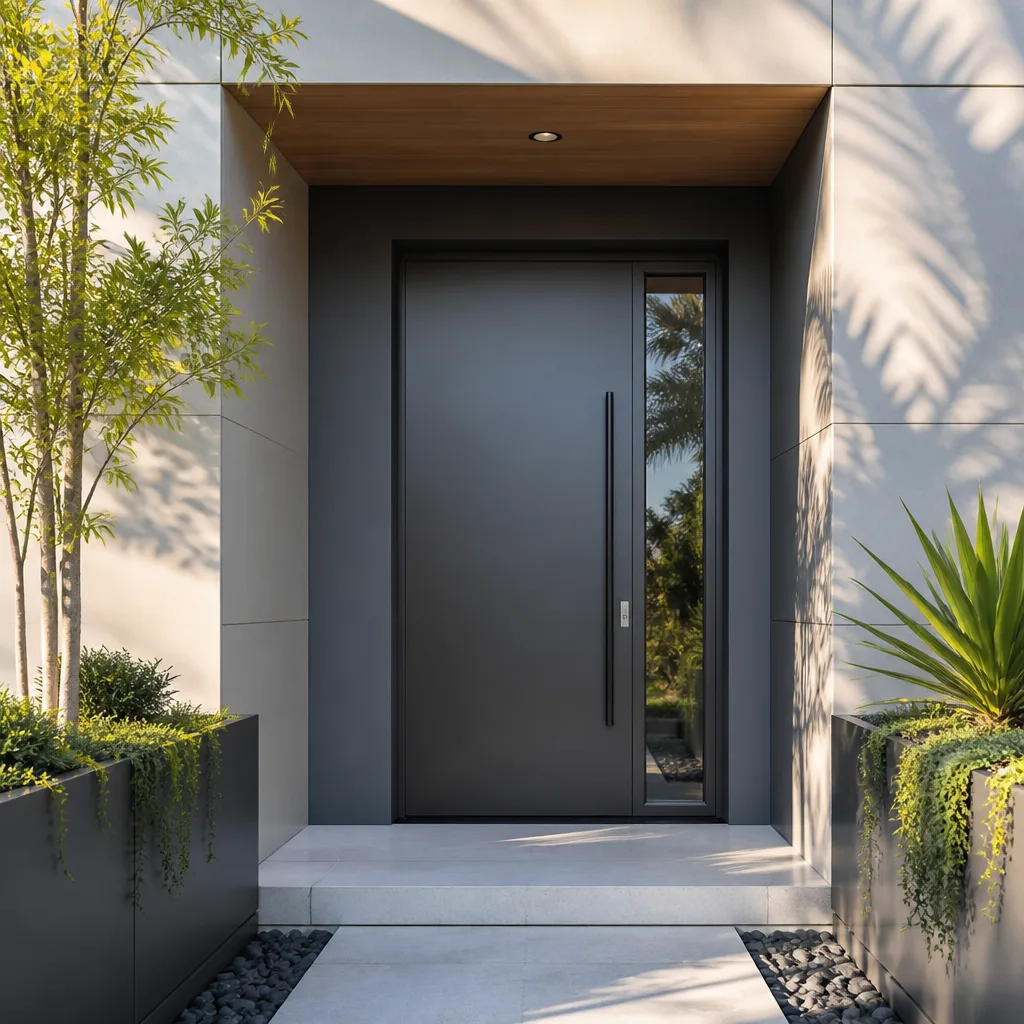
Call a licensed contractor before purchasing any product or removing any existing window or door if your project involves exterior openings in Doral. The permit requirement is absolute, and the technical specifications are not intuitive even for experienced DIY practitioners. The cost of professional engagement from day one is consistently lower than the cost of remediation after a failed inspection.
Sightline Windows & Doors Doral offers free estimates in Doral - call (786) 460-1563. Every estimate includes a measured survey you keep, a written price before any work starts, and explicit specification of the products, standards, and documentation that will govern your installation. We do not provide verbal ranges or “call for a quote” pricing. Haven Clause 1 means the measurement and the quote are the same document.
Frequently Asked Questions
No - unpermitted impact window installation in Doral violates Miami-Dade County building code and Florida Statute 489, and it creates significant liability for insurance coverage and future property sale. Call (786) 460-1563 for a free estimate with proper permitting included.
Professional installation for a typical Doral home with four impact vinyl windows ranges from $2,400-$3,600 including permit, inspection, and documentation. DIY materials alone - windows, anchors, sealant, flashing - typically cost $1,700-$2,300, but the subsequent professional remediation for permit closure adds $2,800-$4,200, making DIY the more expensive path. Call (786) 460-1563 for an exact quote - estimates are free.
A failed inspection requires correction by a licensed contractor, with re-inspection fees for each cycle. Common failures include insufficient anchor embedment, improper sill pan slope, and inadequate glazing tape compression. The correction often requires partial disassembly of installed windows. Call (786) 460-1563 for a free second opinion on any installation that has received a correction notice.
Yes - interior trim removal and replacement, cosmetic stucco patching after frame setting, and post-installation hardware adjustments are legitimate homeowner tasks that do not affect the permit or structural warranty. The division of responsibility must be specified in the contractor’s written scope. Call (786) 460-1563 to discuss which tasks fit your project.
Request the Miami-Dade Notice of Acceptance (NOA) number for each specified product, then verify it on the Miami-Dade Building Department website. The NOA must match the exact product configuration, including size, frame material, and glazing type. Sightline specifies NOA numbers in every written quote. Call (786) 460-1563 for a documented product specification.
At Sightline Windows & Doors Doral, the written quote cannot differ from the measured survey - Haven Clause 1, and Haven Clause 5: No surprises. The only price changes occur if the homeowner adds scope or if concealed conditions differ from what was visible during survey (rot, structural damage, etc.), and these are documented with photos before work proceeds. Call (786) 460-1563 for a fixed-price estimate.
The Bottom Line
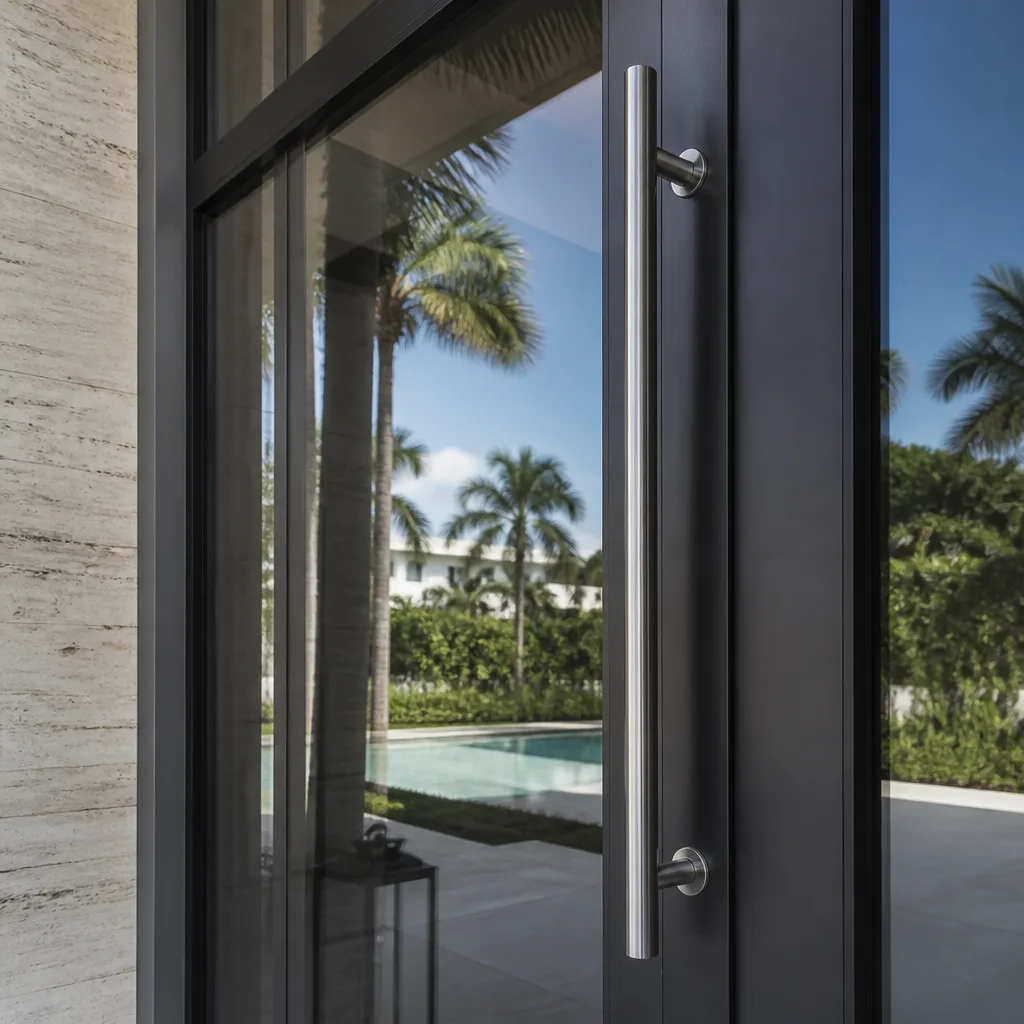
The DIY vs. professional question for windows and doors in Doral is not primarily about skill or cost. For more guides & resources on navigating this decision, It is about legal requirements and technical standards that do not accommodate amateur execution regardless of competence. Florida Statute 489 and Miami-Dade’s HVHZ amendments require a licensed contractor of record for impact-rated installation. The technical specifications - anchor embedment, sill pan slope, glazing compression - are inspected against written criteria, not judgment. The three tasks where homeowner involvement is legitimate and cost-saving are narrowly defined and occur outside the permit-critical phases. A five-minute decision tree identifies whether any portion of your project qualifies. For most Doral homeowners, professional engagement from day one is the lower-cost, lower-risk path, particularly when the professional provides written pricing, documented standards, and a photo record of compliance.
Written by Sonia Raman, Owner at Sightline Windows & Doors Doral, serving Doral since 2012.