
Last updated September 24, 2026
Free in-home measure and quote - PGT, CGI and CWS impact lines compared on your actual openings, style by style
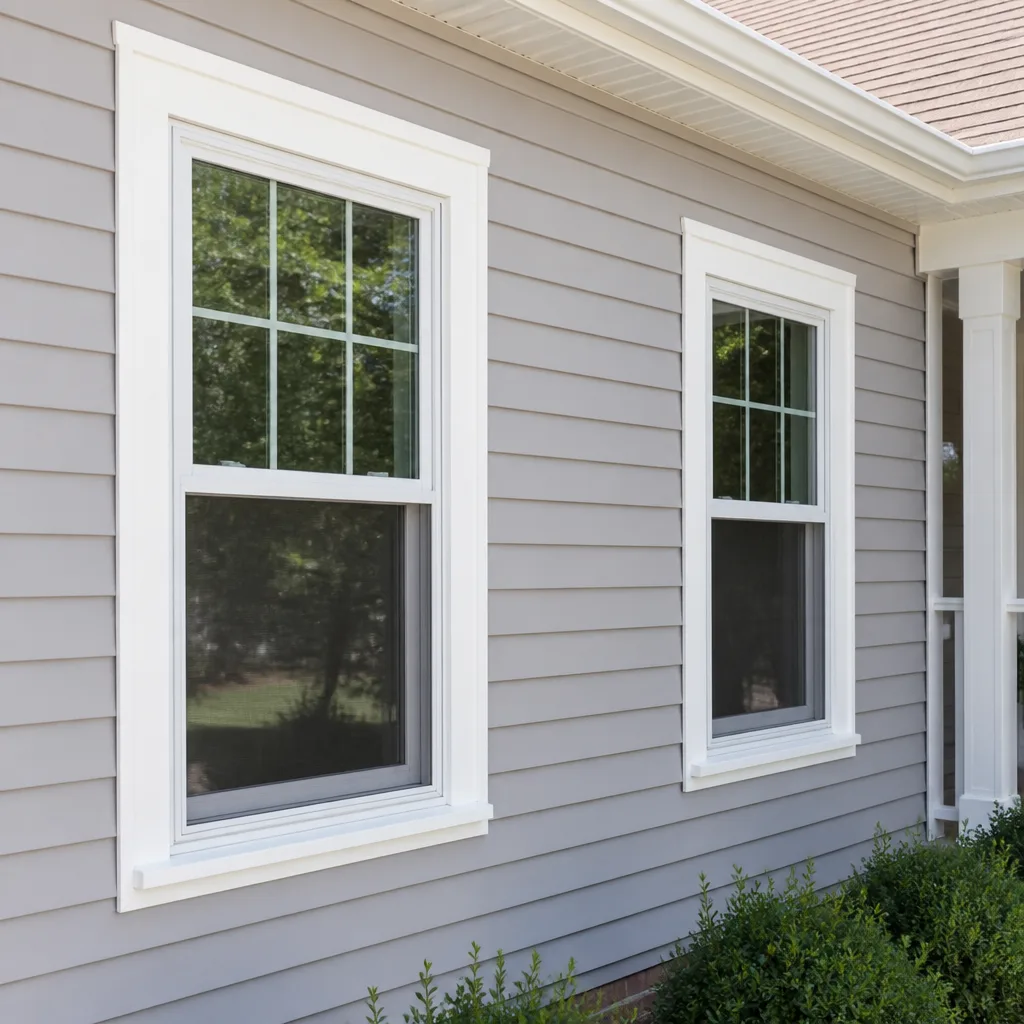
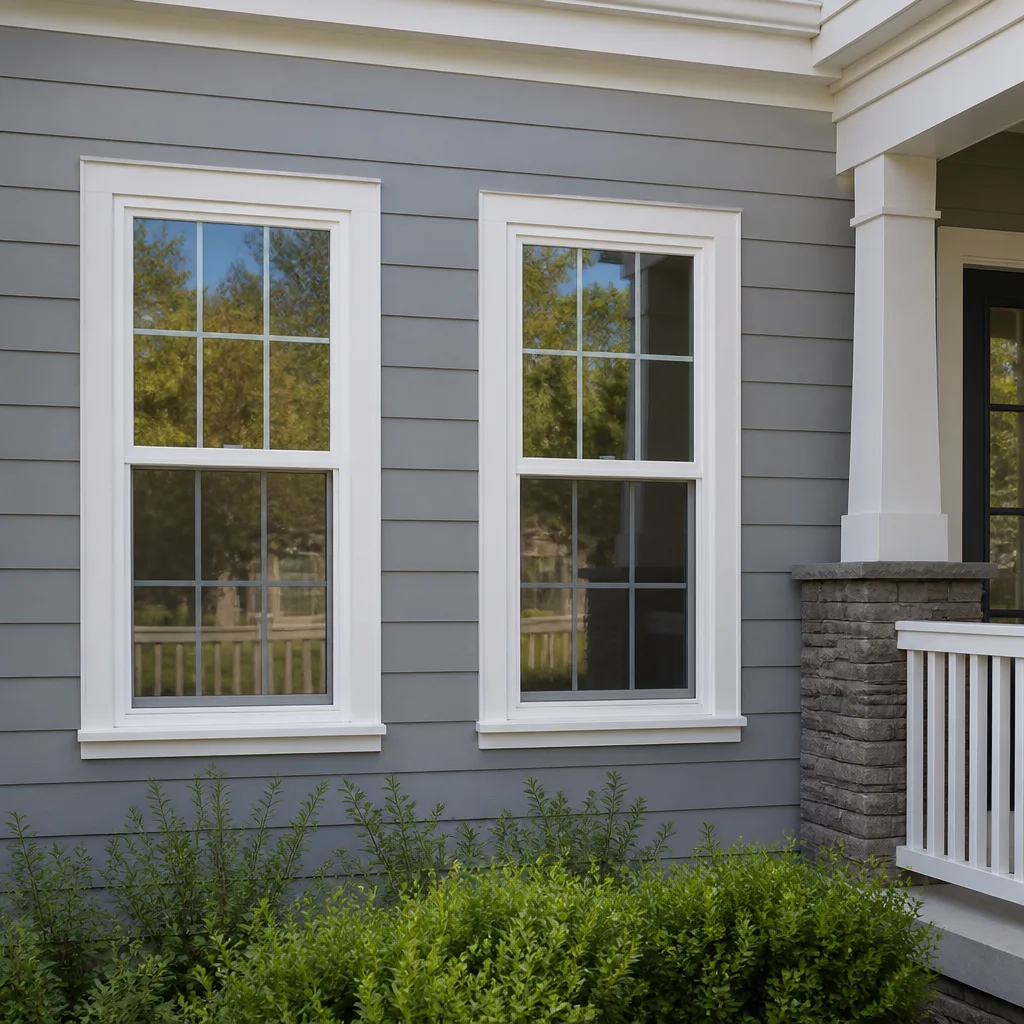
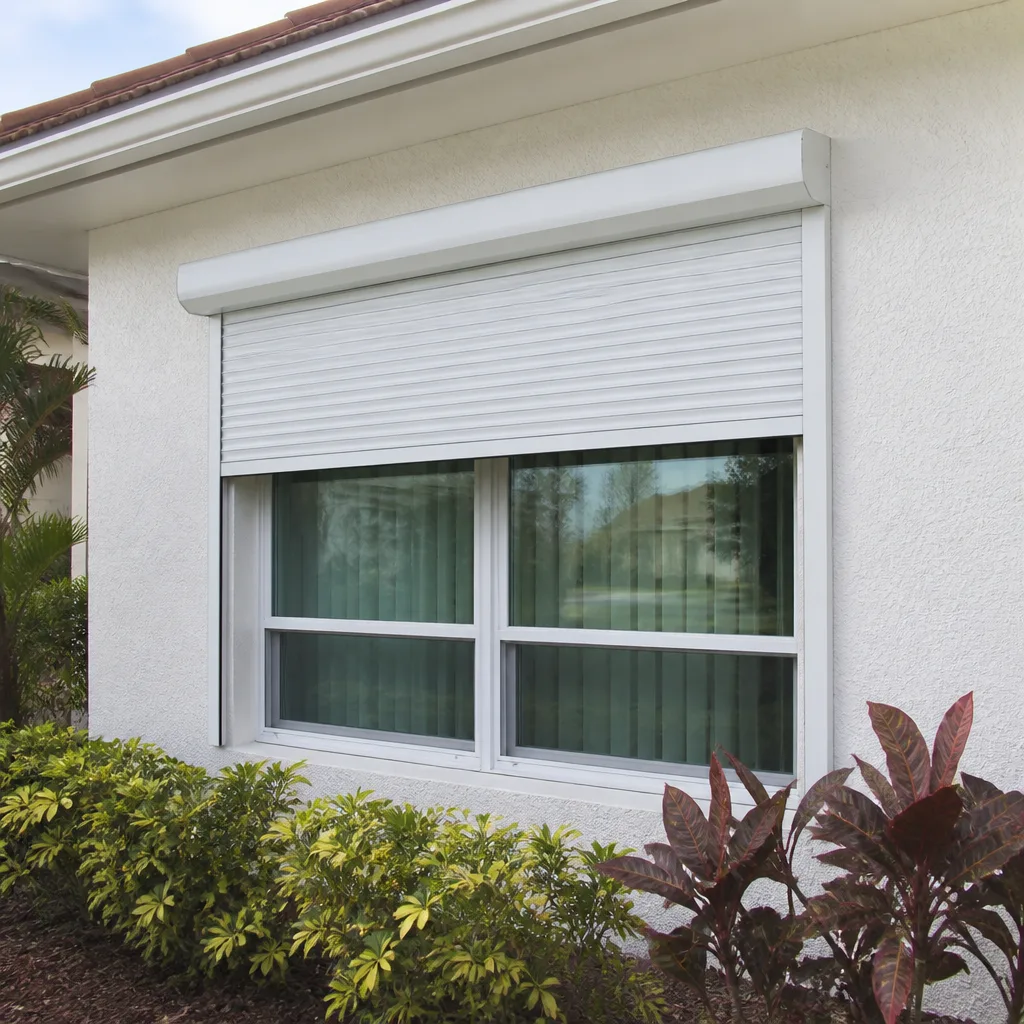
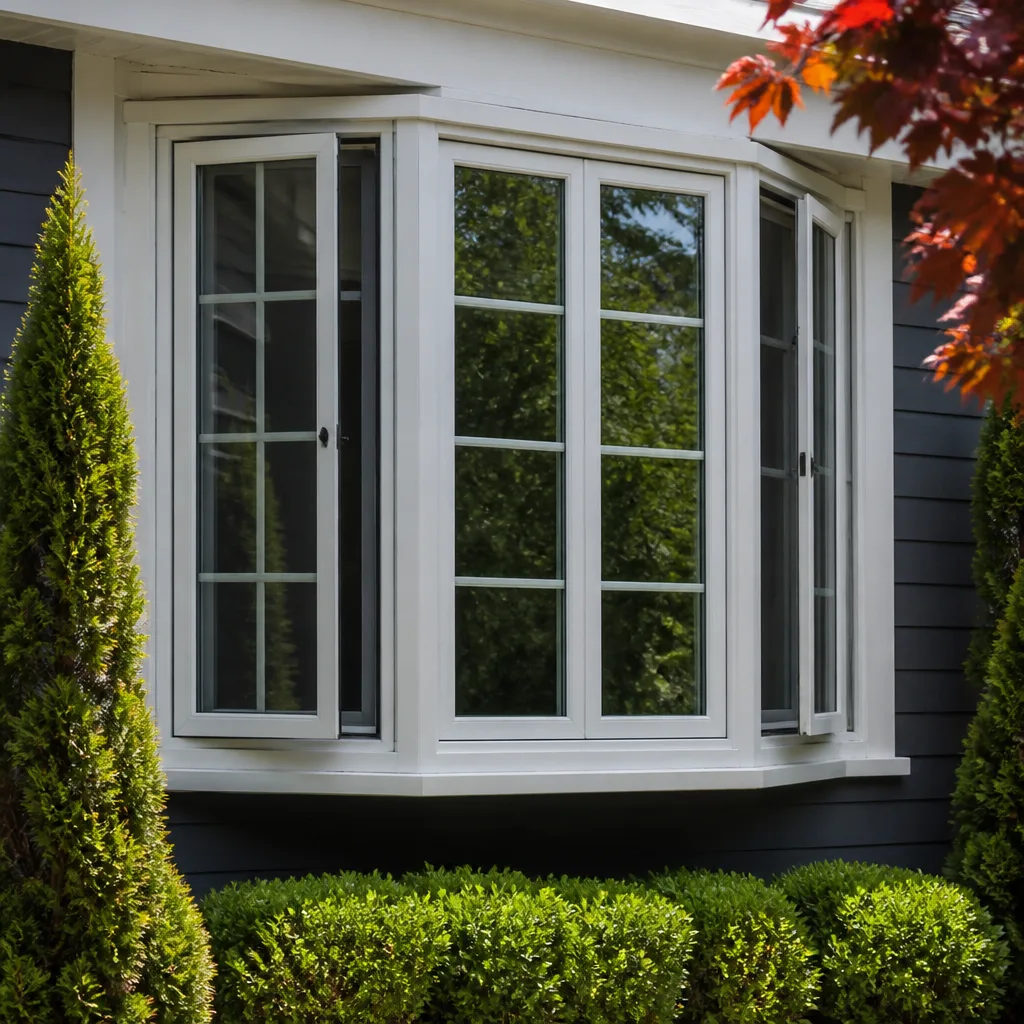
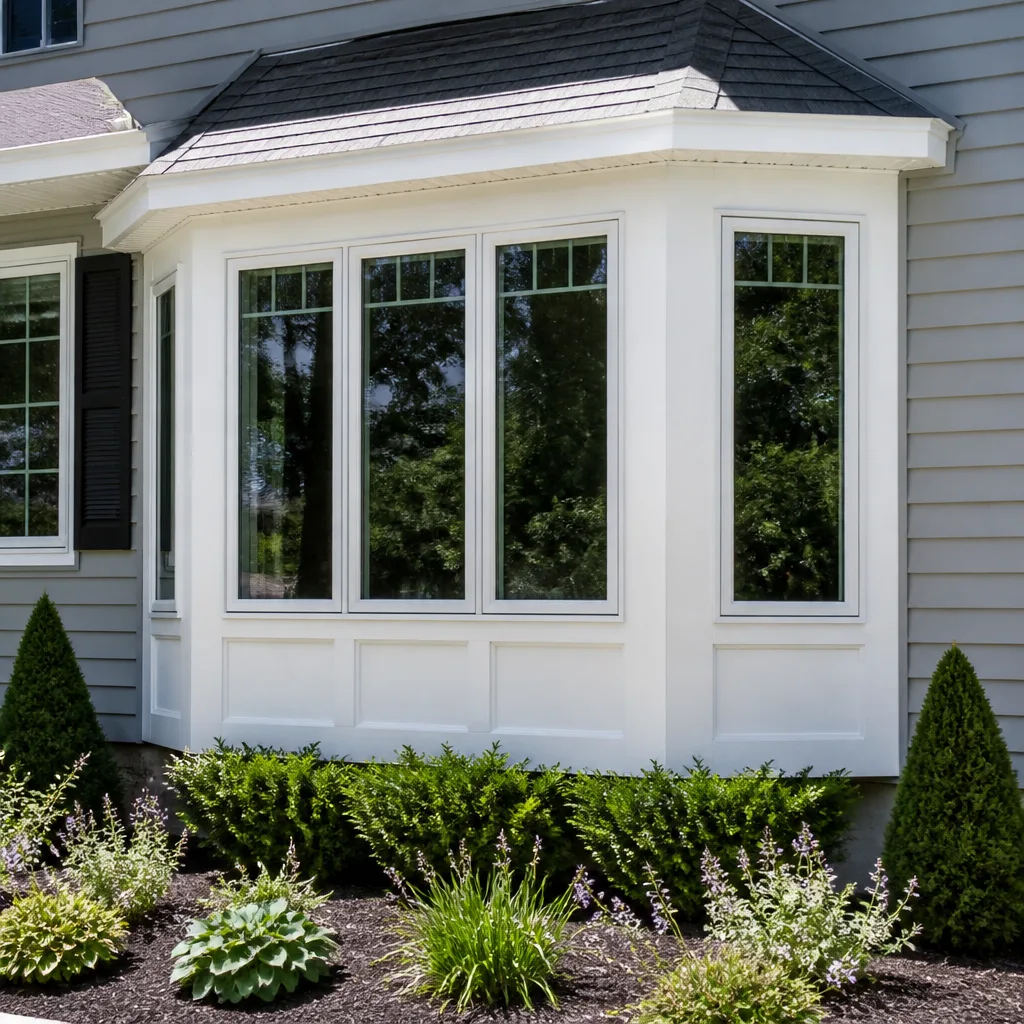
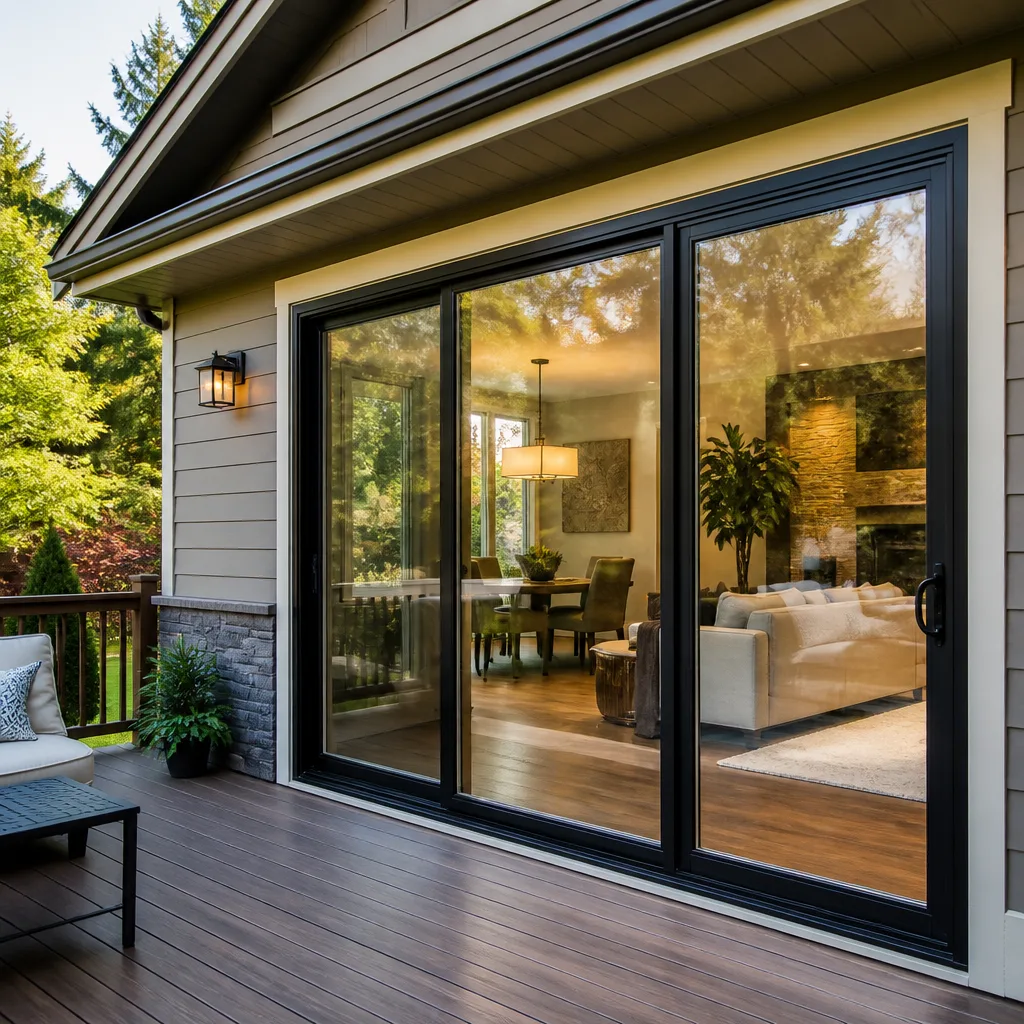
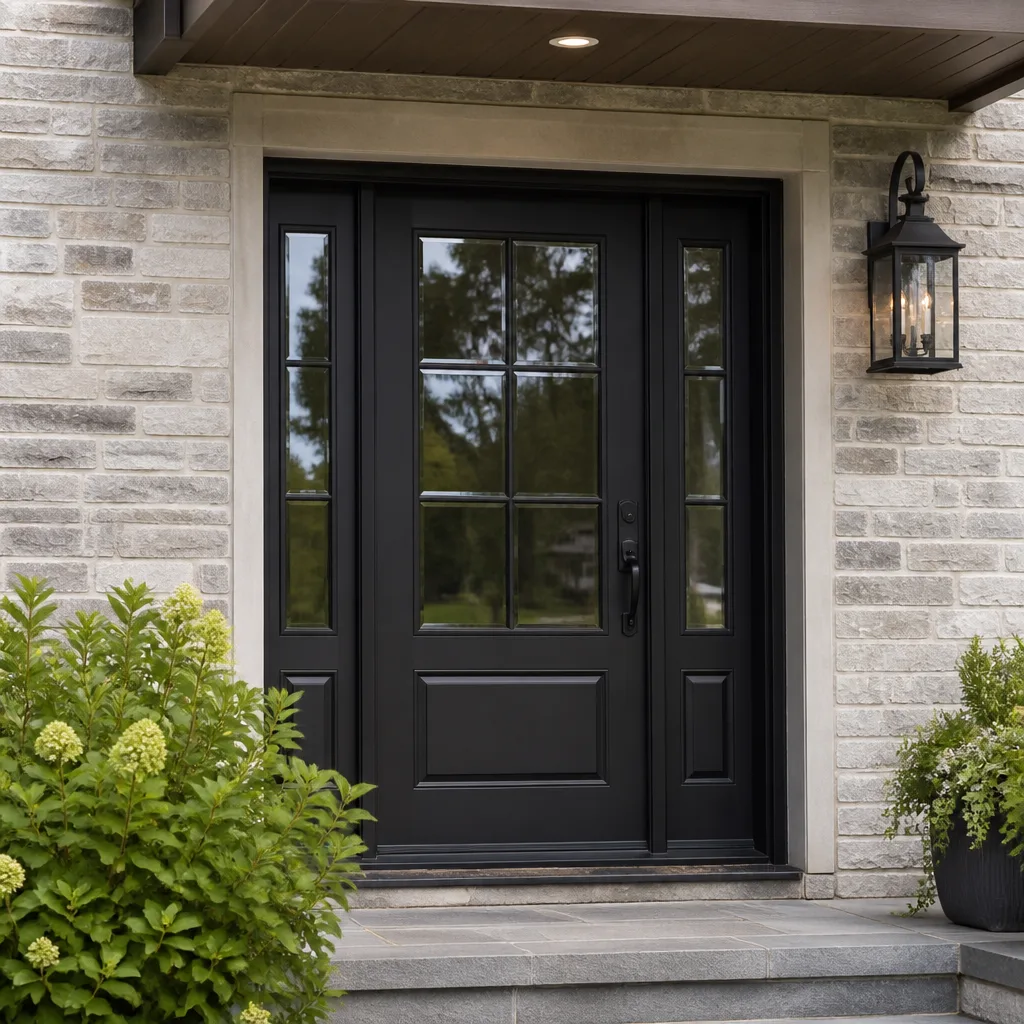
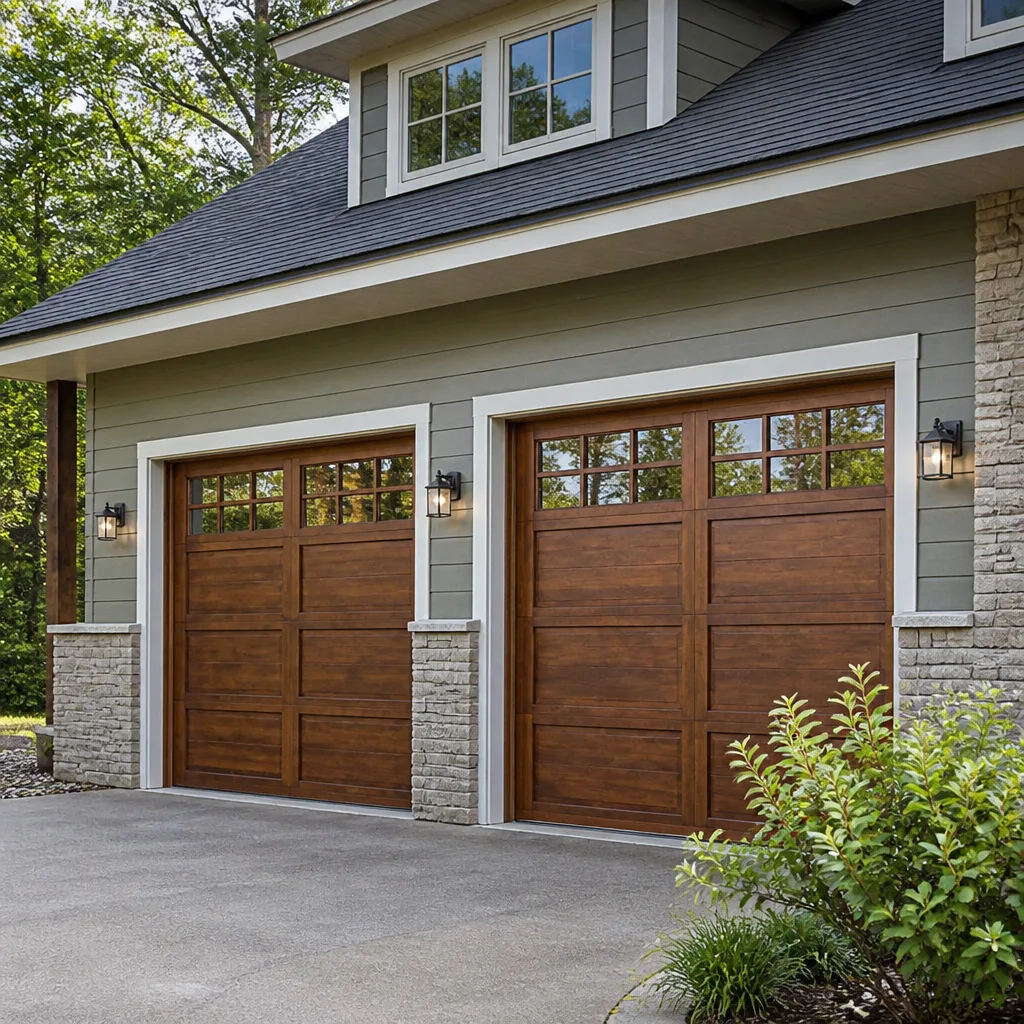
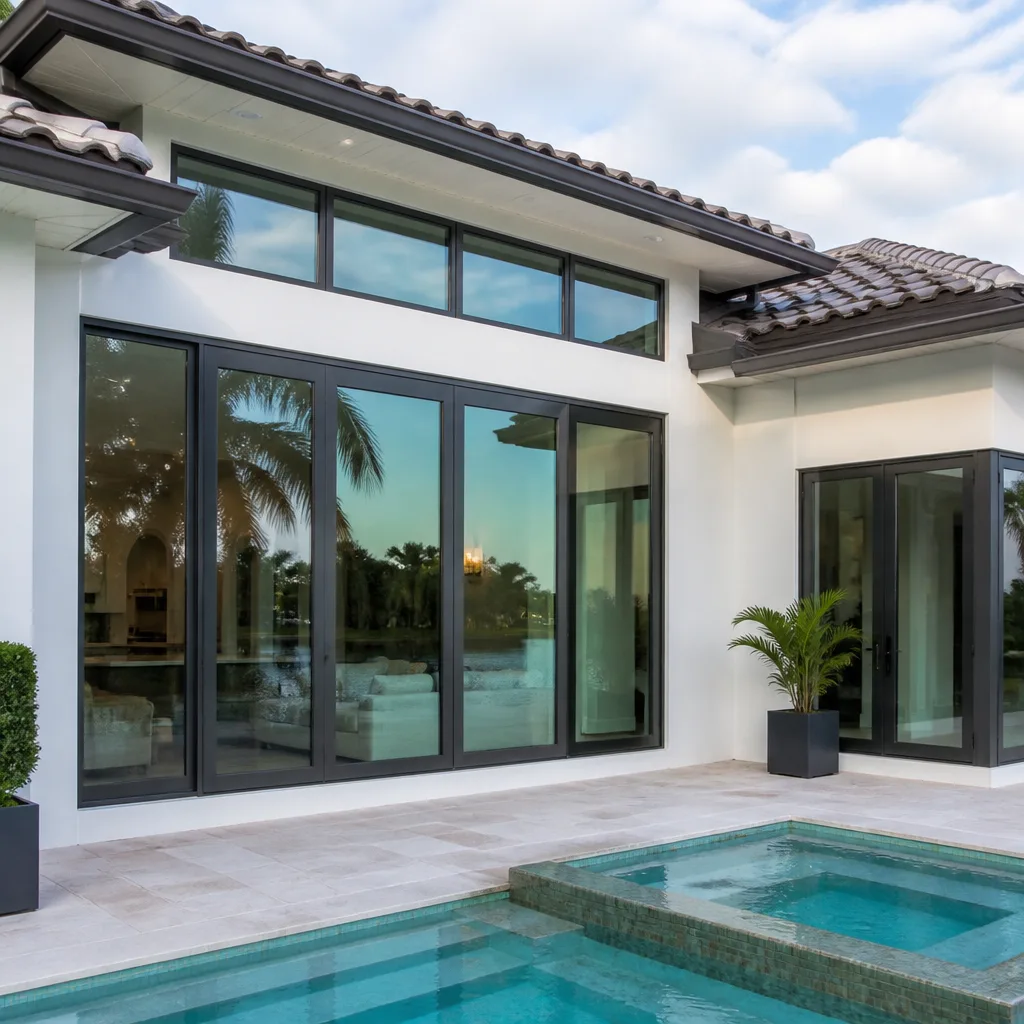
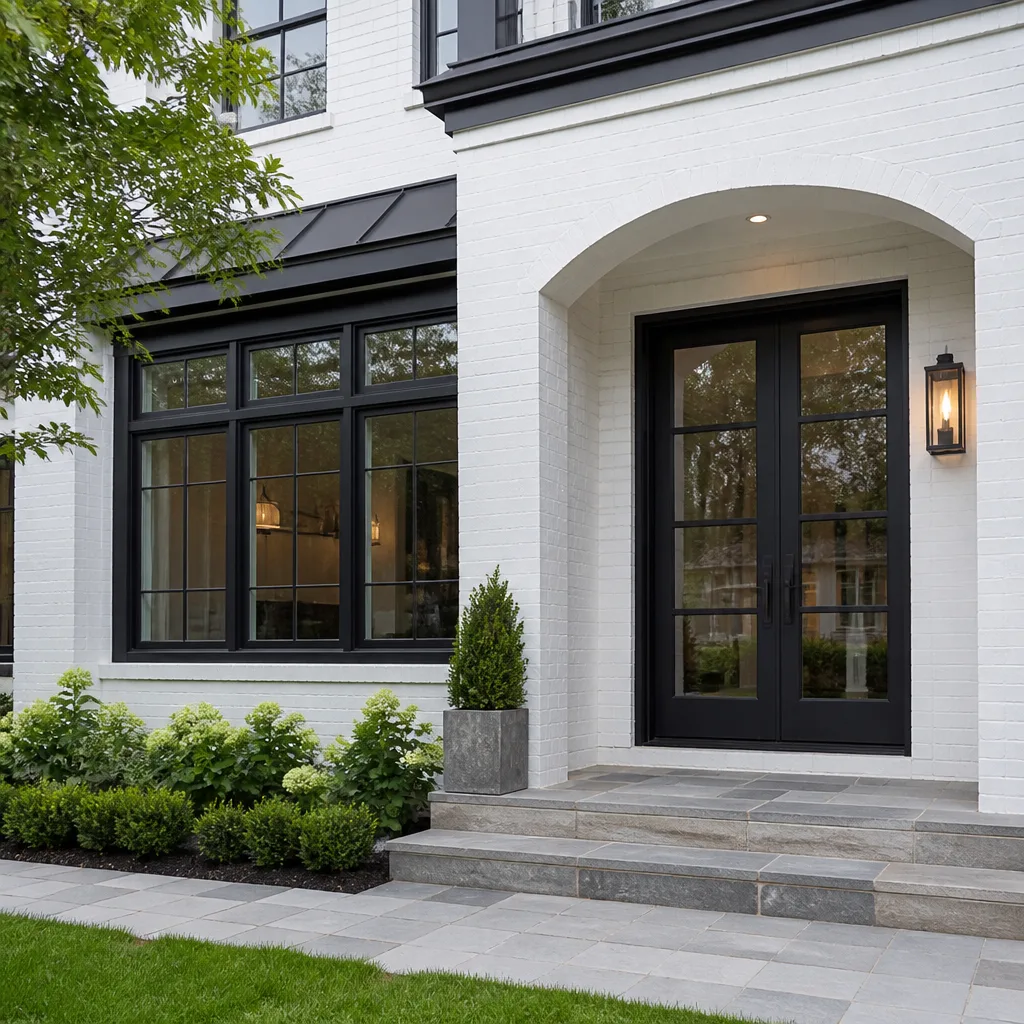
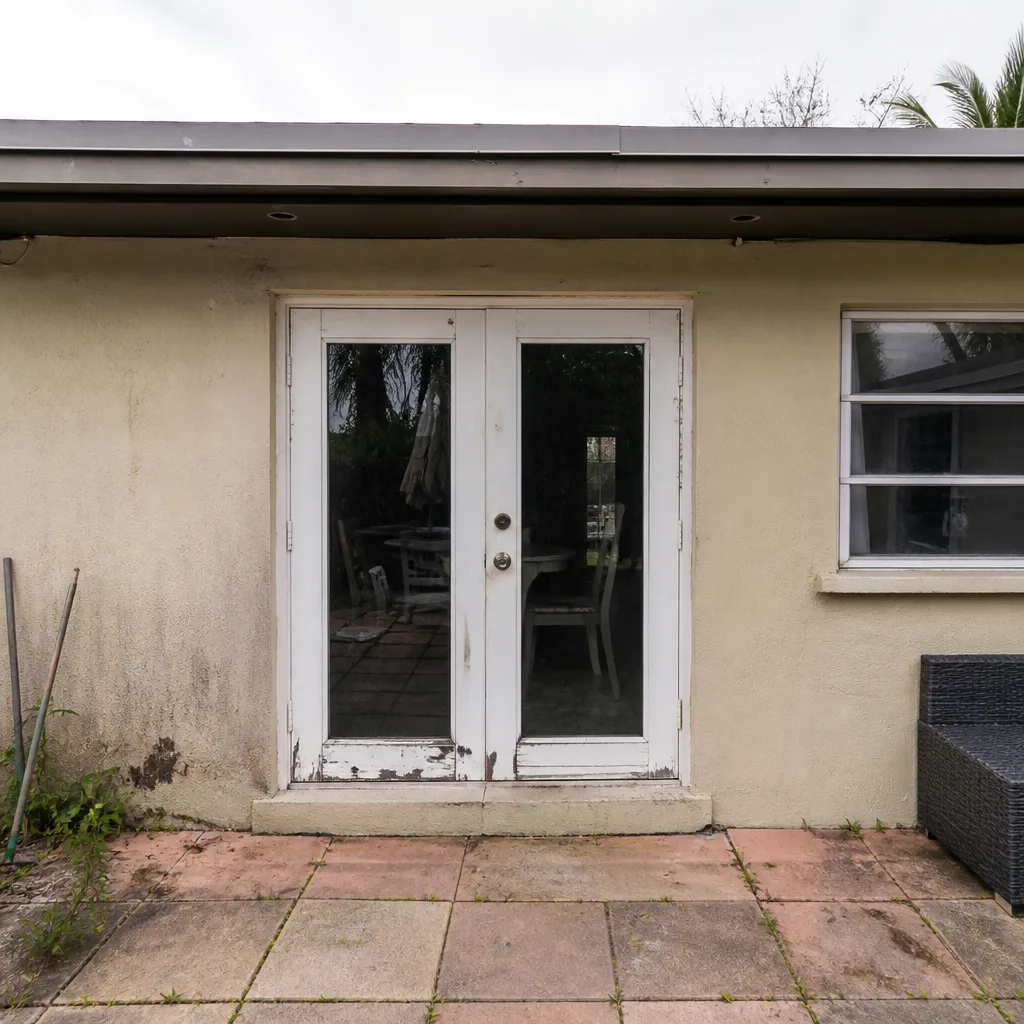 Before
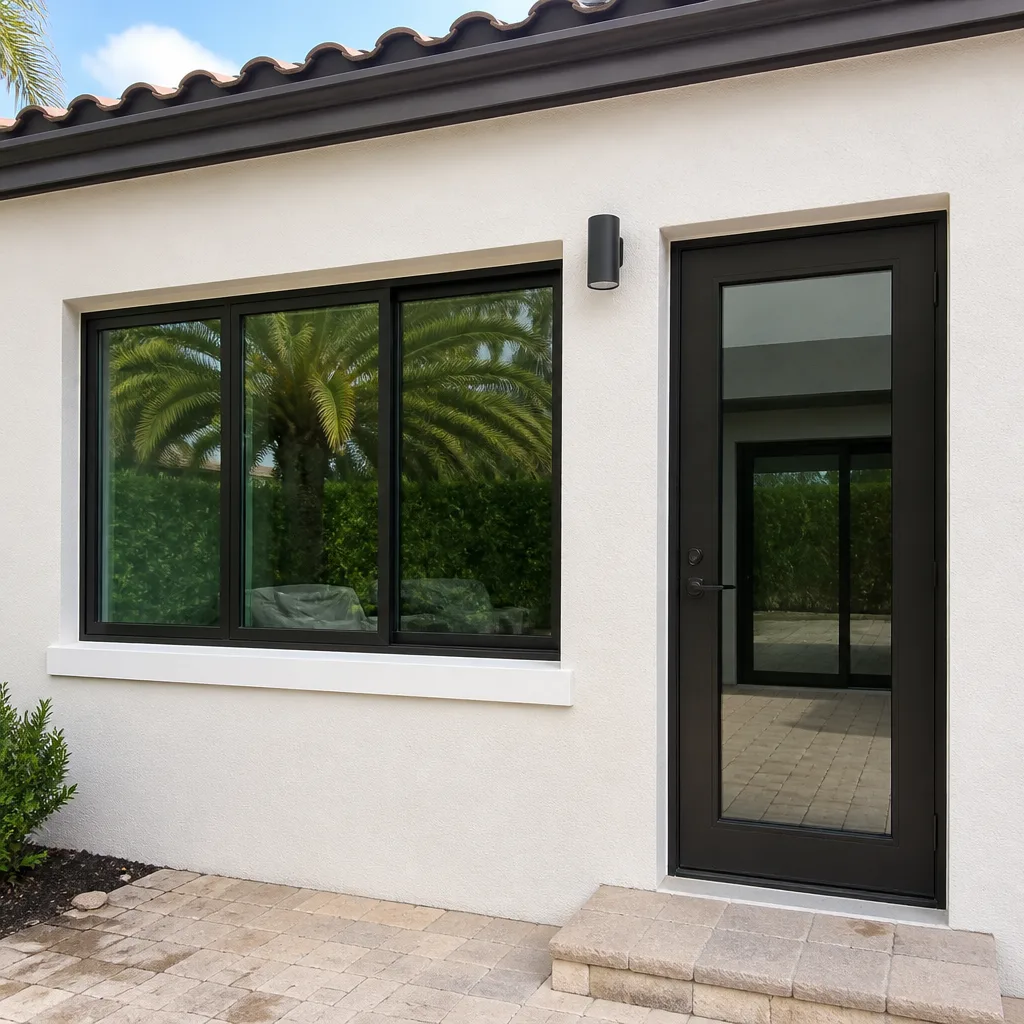 After
After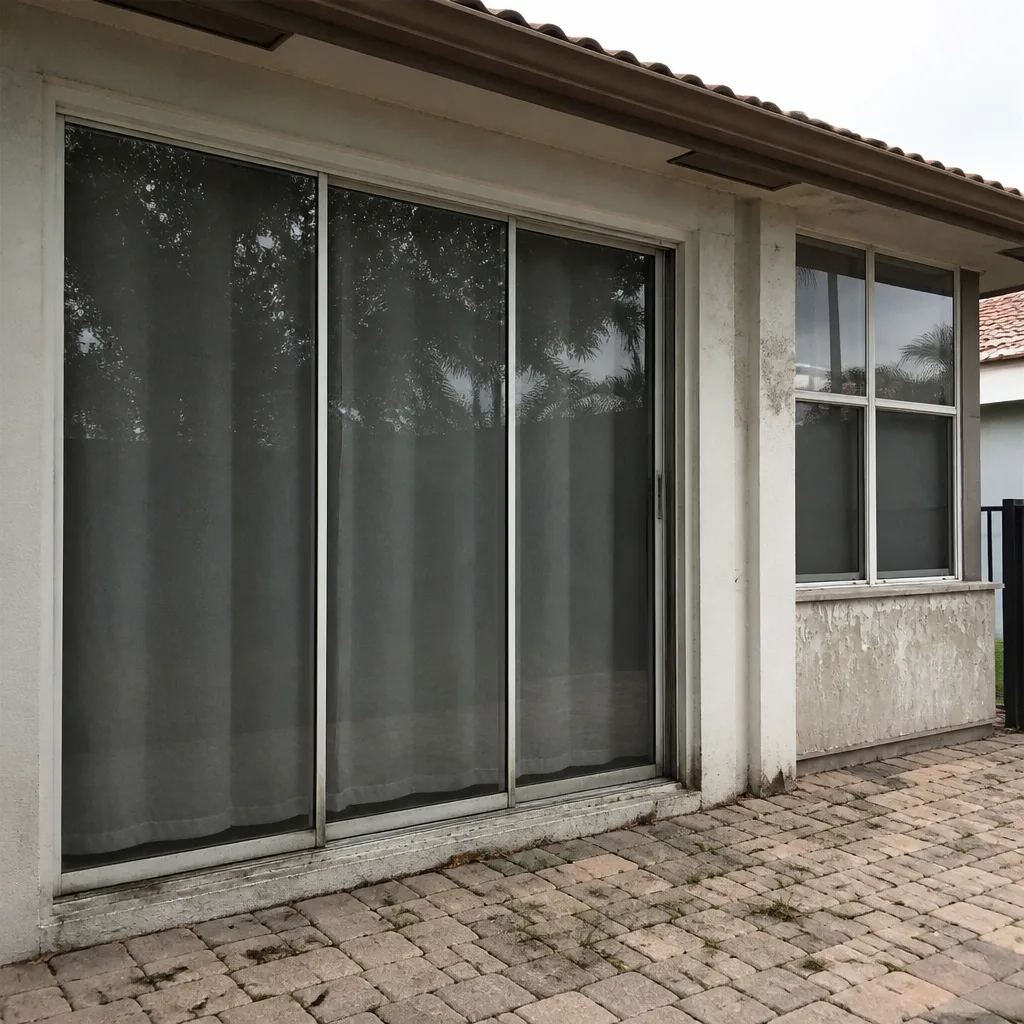 Before
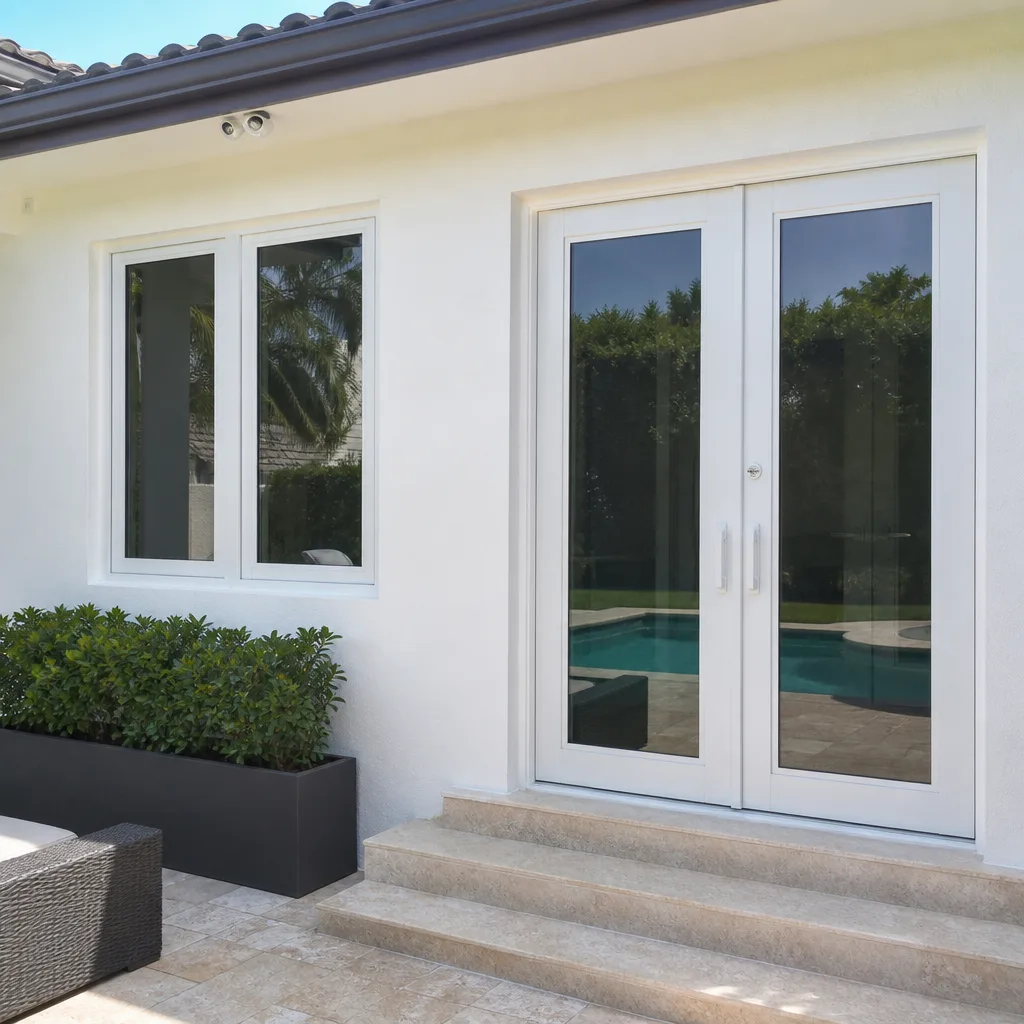 After
After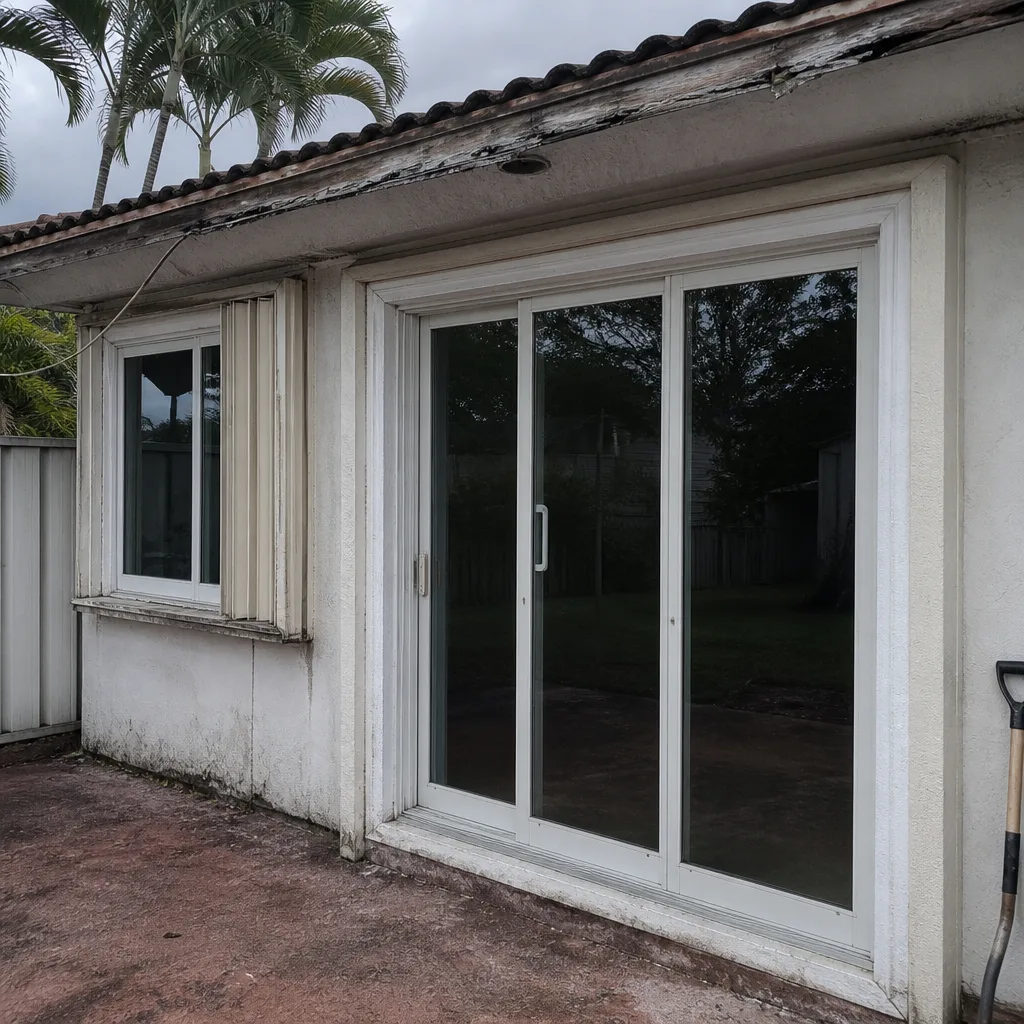 Before
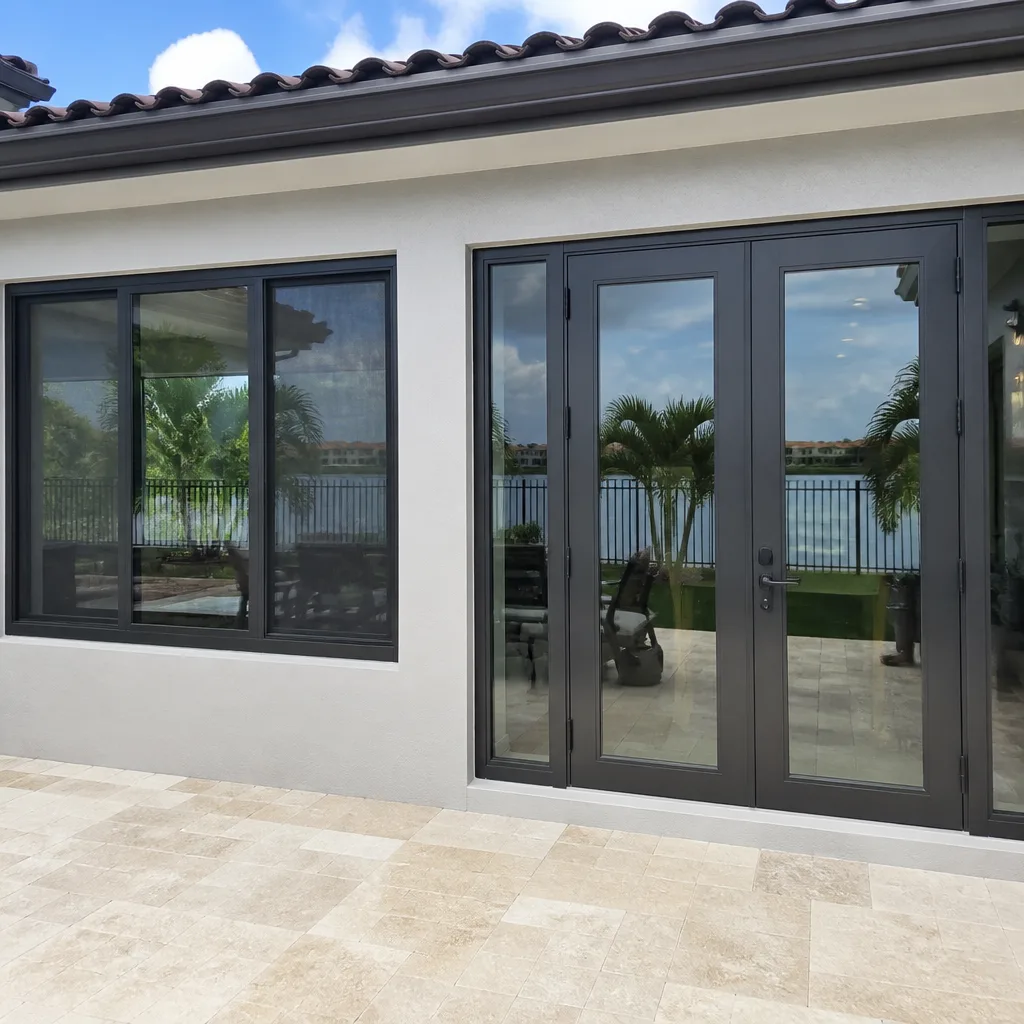 After
AfterThe Complete Guide to Windows & Doors in Doral
Miami-Dade’s Notice of Acceptance database lists over 4,000 approved window and door products, and a single non-approved unit installed in Doral can trigger a full stop-work order and forced removal at the homeowner’s expense. Most guides to buying windows and doors treat product selection like shopping for appliances, comparing frames and glass packages as if the decision were aesthetic-though our more guides & resources take a code-first approach. In Doral, every opening in your home is governed by High-Velocity Hurricane Zone code, and the wrong product choice doesn’t just waste money, it can fail inspection, void your permit, and leave you with uninstalled openings and a contractor who has moved to the next job. This guide maps what Doral homeowners actually need to know: how HVHZ designation affects every product decision, the difference between an NOA and a building permit, realistic installed costs per opening type, and how to vet an installer who won’t leave you holding a failed inspection.
Quick Answer
Windows and doors in Doral must carry a Miami-Dade Notice of Acceptance (NOA) to pass inspection in the High-Velocity Hurricane Zone, with installed costs ranging from $890 for a single-hung vinyl impact window to $4,200 for a sliding glass door system. The full project sequence runs measured survey, product selection with NOA verification, permit application, installation, inspection, and final documentation, typically spanning 4 to 8 weeks depending on product lead times and Miami-Dade Building Department scheduling.
Table of Contents
- Why Doral Is Different: Inside the High-Velocity Hurricane Zone
- The Four Product Categories and How Doral’s Climate Affects Them
- NOA vs. Building Permit: Two Documents, Both Required
- The Full Project Sequence, Step by Step
- Installed Costs Per Opening Type in 2025-2026 Dollars
- How to Vet a Window and Door Installer in Doral
- Common Mistakes to Avoid
- When to Call a Professional
- Frequently Asked Questions
 Before
 After
AfterWhy Doral Is Different: Inside the High-Velocity Hurricane Zone
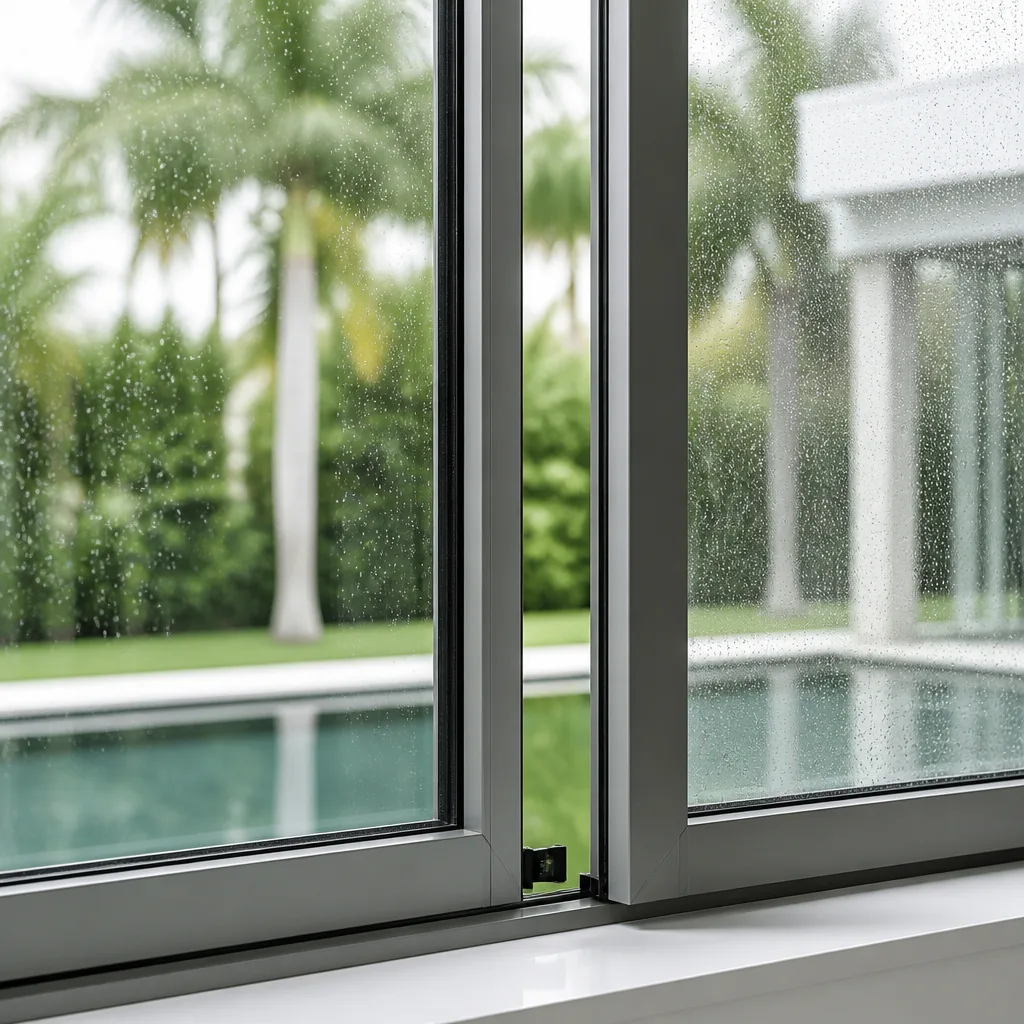
Doral sits entirely within Miami-Dade County’s High-Velocity Hurricane Zone, or HVHZ. This isn’t a marketing designation. It’s a code boundary drawn by the Florida Building Code that applies to all construction from Palm Beach County south through the Keys, and it means every exterior opening in your home must resist wind-borne debris impact at speeds up to 175 mph equivalent, depending on exposure category and height.
The practical effect for Doral homeowners: you cannot install a window or door that lacks a Miami-Dade Notice of Acceptance. Not “impact-rated” in the general sense. Not “Florida-approved.” Not “meets Miami-Dade standards.” The actual product, with its specific model number, must appear in the NOA database with an active approval. Inspectors in Doral check this. We’ve seen jobs where a contractor installed a PGT window with the right frame style but the wrong glazing package, and the inspector flagged it because the NOA number on the sticker didn’t match the approved assembly. The homeowner paid for removal and reinstallation.
Doral’s specific geography intensifies the requirement. The city sits at roughly 10 feet above sea level with flat terrain and minimal windbreak, placing most residential structures in Exposure Category C or D depending on surrounding development density. West Doral neighborhoods like Doral Isles and Islands at Doral, with larger lot setbacks and less mature tree cover, often see higher design pressure requirements than central Doral properties with tighter spacing. Your permit application will specify the exact DP rating required for each elevation, and your product selection must match or exceed it.
The salt-air factor is equally specific. Doral is 8 miles inland, but easterly sea breezes carry chloride loads that accelerate corrosion in coastal-adjacent zones. This affects frame material selection more than most homeowners realize. Aluminum frames without proper anodizing or powder-coat specification show pitting within 5 to 7 years in Doral conditions. We’ve documented this on warranty calls in the 33178 and 33172 ZIP codes, particularly on east-facing elevations where morning salt fog deposits heaviest.
What this means in plain terms: your window and door decision in Doral is a structural engineering decision first. Aesthetics, energy efficiency, and operation style all matter, but they operate within the constraint of code compliance. Any guide that doesn’t start here is written for a different market.
The Four Product Categories and How Doral’s Climate Affects Them
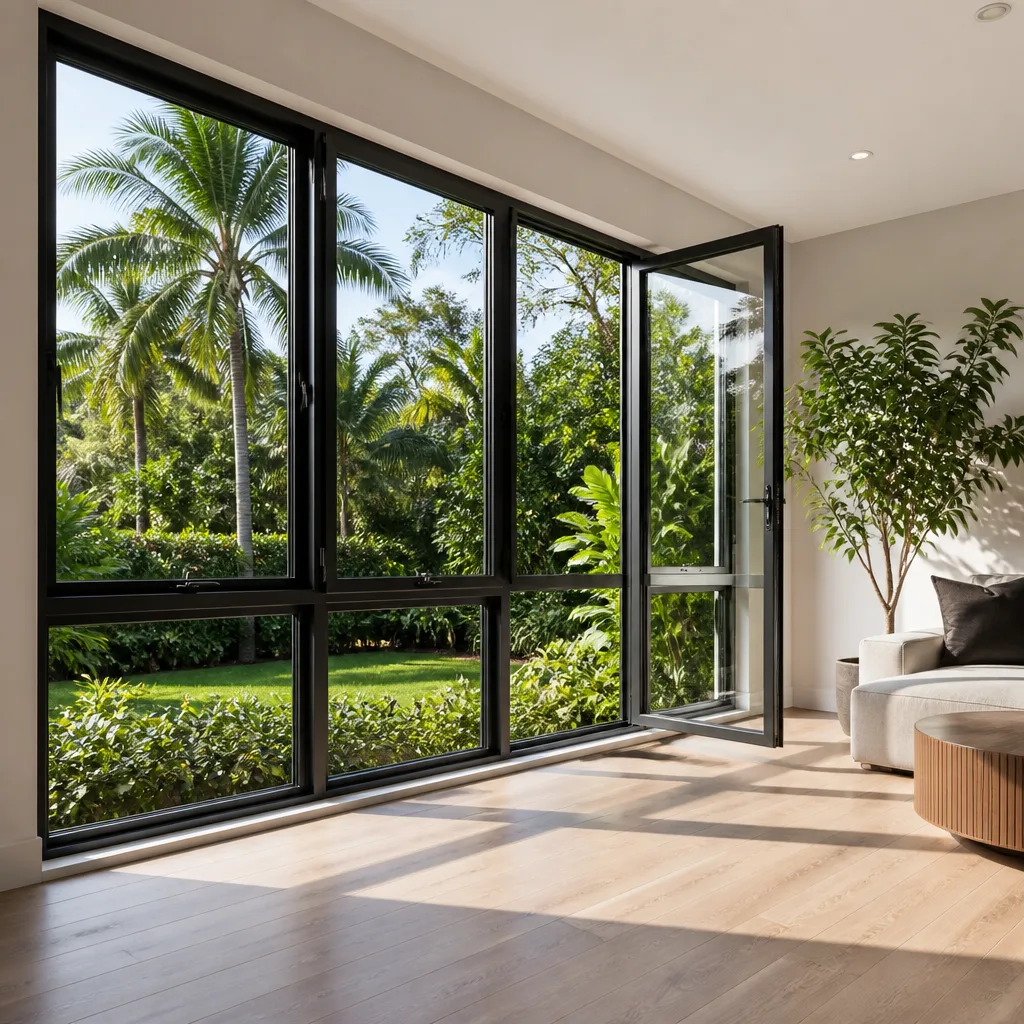
Doral homeowners typically choose among four frame materials for impact-rated openings: aluminum, vinyl, wood-clad, and fiberglass. Each performs differently under HVHZ load requirements and Doral’s specific UV and salt-air exposure. We specify from eight manufacturer lines, matched to the opening’s requirements rather than inventory position.
Impact-Rated Aluminum
Aluminum dominates the Doral market for good reason. It meets the highest DP ratings, typically 50 to 70 in residential applications, and the material doesn’t degrade under UV exposure. PGT and CGI both manufacture aluminum impact systems with Miami-Dade NOAs that specify wall thickness, thermal break placement, and hardware attachment points. The thermal break is critical: without it, aluminum frames conduct heat directly into the interior, and we’ve measured frame surface temperatures exceeding 140°F on south-facing Doral installations in July.
The salt-air caveat: specify 5005 or 6063 alloy with a minimum 2.0 mil anodized finish or AAMA 2605 powder coat. Lesser finishes chalk and pit. We document the alloy and finish specification on every quote under Haven Clause 1, so there’s no substitution at installation.
Vinyl (uPVC)
Vinyl frames have improved significantly. Modern multi-chamber designs with steel or aluminum reinforcement meet HVHZ requirements up to DP 50 in most configurations, and the material’s insulative properties outperform aluminum thermally. ECO Window Systems and CWS both produce vinyl impact lines with active NOAs. The limitation: vinyl expands and contracts more than aluminum, and Doral’s temperature swings, 55°F winter lows to 95°F summer highs, stress the material. We’ve seen seal failures in vinyl windows installed with inadequate expansion gaps, particularly in two-story applications where solar gain on upper elevations is highest.
Vinyl works well for Doral’s interior-facing bedrooms and north elevations where thermal performance matters more than maximum DP rating. For west-facing great room windows with direct afternoon exposure, we typically specify aluminum or fiberglass.
Wood-Clad
Wood-clad frames, interior wood with exterior aluminum or vinyl cladding, represent a smaller segment in Doral but serve a specific need: historic compliance and high-end architectural matching. Therma-Tru manufactures clad door systems with NOA approval. The interior wood requires climate-controlled conditions; Doral’s humidity, typically 70 to 85 percent, can drive interior moisture content above 14 percent if HVAC isn’t maintained, causing operational binding. We specify this category only for homes with consistent climate control and documented HVAC maintenance.
Fiberglass
Fiberglass combines thermal performance near vinyl with structural strength approaching aluminum. PGT’s fiberglass line and certain ViewLux configurations carry NOAs to DP 60. The material doesn’t conduct heat, doesn’t corrode, and expands at a rate similar to glass, reducing seal stress. The cost premium is 15 to 25 percent over comparable aluminum. For Doral’s waterfront-adjacent properties and homes with extended western exposure, we often recommend fiberglass as the 20-year solution, particularly for door systems where frame deflection under HVHZ load is a common failure mode.
Glazing Selection: Beyond “Impact-Rated”
The glass package is as important as the frame. Doral’s code requires laminated impact glass, but the interlayer type matters. PVB interlayers, standard in most residential impact products, soften under sustained heat. In west-facing Doral installations, we’ve measured glass surface temperatures exceeding 160°F, sufficient to cause PVB creep and optical distortion over 5 to 8 years. SentryGlas ionoplast interlayers, specified in higher-end PGT and CGI products, resist thermal creep and maintain optical clarity under the same conditions. We note the interlayer type on every quote; most competitors don’t.
Energy performance matters for operating cost. The Florida Energy Code requires maximum U-factor of 0.65 and SHGC of 0.25 for replacement windows in Doral’s climate zone. We specify products that meet these thresholds without exotic upgrades, because the payback on premium low-E coatings in Doral’s cooling-dominated climate typically exceeds 12 years.
NOA vs. Building Permit: Two Documents, Both Required
This distinction confuses nearly every Doral homeowner we meet, and misunderstanding it causes more project delays than any other factor.
The Notice of Acceptance (NOA) is a product approval issued by the Miami-Dade County Product Control Division. It certifies that a specific window or door assembly, tested as a complete system including frame, glazing, hardware, and anchorage method, meets HVHZ performance requirements. The NOA number, typically formatted as PAxx-xx or similar, is printed on a label affixed to each unit. It is not a permit to install. It is proof that the product itself is legal for use in Doral.
The building permit is issued by the Miami-Dade Building Department or the City of Doral’s contracted plan review office, depending on your property’s jurisdiction. Most of Doral falls under Miami-Dade County permitting; properties in the City of Doral’s incorporated areas may use the city’s own process. The permit application includes:
- A site plan showing all openings to be replaced
- Product cut sheets with NOA numbers for each unit
- Structural calculations showing the specified DP rating meets or exceeds the design wind speed for your specific address
- Energy compliance documentation (Form R405 or prescriptive path)
Both documents are required. The NOA proves the product is code-legal. The permit proves the installation, at your specific address, with your specific exposure conditions, complies with the Florida Building Code. An inspector will verify both: the NOA label on the installed unit, and the permit documentation matching the approved plans.
We’ve encountered Doral homeowners who purchased “impact windows” online or from out-of-county suppliers, only to discover the products carried a Florida Product Approval but not a Miami-Dade NOA. Florida Product Approval is statewide; Miami-Dade NOA is county-specific and more stringent. Products with Florida approval but no NOA cannot pass Doral inspection. The homeowner either replaces the units or petitions for alternative approval, a 6- to 12-month process with no guarantee.
At Sightline Windows & Doors Doral, we verify NOA status for every product before it appears on a quote. The NOA number is printed on the written scope. Haven Clause 1: Have it in writing.
The Full Project Sequence, Step by Step
Understanding the sequence prevents the most common homeowner frustration: the gap between “we ordered the windows” and “they’re finally installed.” In Doral, that gap is often permit and inspection scheduling, not product manufacturing.
Step 1: Measured Survey
Every Sightline engagement begins with a measured survey. We record each opening’s width, height, depth, squareness, and structural condition. We note the existing frame attachment method, because replacement strategy, full-frame versus insert, depends on whether the original nail fin is intact and accessible. The survey document, which the customer keeps, becomes the basis for the written quote. In Doral’s 1980s and 1990s housing stock, particularly in neighborhoods like Doral Park and Doral Estates, we regularly find original windows installed with integral flanges that have been stuccoed over, requiring full-frame removal and stucco repair. We document this in the survey so the quote includes the complete scope.
Step 2: Product Selection with NOA Verification
Using the survey dimensions and the required DP rating from preliminary wind load calculations, we specify products from our eight manufacturer lines. For a typical Doral single-family home, this might mean PGT aluminum impact single-hung windows for south and west elevations, ECO Window Systems vinyl impact for north-facing bedrooms, and a Therma-Tru fiberglass entry door system. Each product’s NOA number is listed on the written quote. The customer reviews the specification before any order is placed.
Step 3: Permit Application
We prepare and submit the permit application, including structural calculations and energy compliance documentation. Miami-Dade Building Department permit review for window and door replacement typically takes 10 to 15 business days for residential projects. Complex jobs, additions, or properties with prior code violations may require longer. We track application status and respond to plan review comments. The permit must be issued before installation begins; working without a permit in Doral exposes the homeowner to stop-work orders and double permit fees.
Step 4: Product Order and Lead Time
Manufacturing lead times vary by product and season. Standard PGT aluminum impact windows: 4 to 6 weeks. Custom geometric or oversized units: 8 to 12 weeks. Therma-Tru door systems with sidelite configurations: 6 to 8 weeks. We coordinate order timing with permit issuance so product arrival and permit approval align. Holding product on-site before permit issuance risks damage and complicates insurance coverage.
Step 5: Installation
Installation follows the NOA-specified anchorage pattern, which dictates fastener type, spacing, and embedment depth. In Doral’s concrete block construction, typical of homes built 1985 to 2005, this means Tapcon or sleeve anchors into grout-filled cells at specified intervals. The installation crew documents anchor placement with photographs, included in the job record under Haven Clause 4: Evidence on every job.
Step 6: Inspection
Miami-Dade requires rough-in inspection for full-frame replacements and final inspection for all installations. The inspector verifies: NOA label present and legible; product matches permit documentation; anchorage pattern matches NOA specification; flashing and weatherproofing installed per detail; energy label visible on glass. We schedule inspections and meet the inspector on site. Failed inspections require correction and re-inspection, typically adding 1 to 2 weeks.
Step 7: Documentation and Warranty
Upon passing final inspection, the customer receives: the permit completion certificate; the documented photo record of installation; the written 365-Day Done Right Promise; and manufacturer warranty registration. The measured survey, written quote, and final invoice are the same document, per Haven Clause 1. No surprises.
Installed Costs Per Opening Type in 2025-2026 Dollars
These ranges reflect complete installed cost in Doral, including product, permit, installation, inspection, and documentation, for standard opening sizes in typical concrete block construction. Prices assume HVHZ-compliant impact-rated products with NOA verification. Non-impact or non-NOA products are not quoted for Doral installations.
| Opening Type | Material / Configuration | Installed Cost Range |
|---|---|---|
| Single-hung window, 36″ x 60″ | Vinyl impact, DP 50 | $890 - $1,340 |
| Single-hung window, 36″ x 60″ | Aluminum impact, DP 55, thermal break | $1,120 - $1,680 |
| Casement window, 30″ x 48″ | Aluminum impact, DP 55 | $1,450 - $2,100 |
| Picture window, 60″ x 48″ | Aluminum impact, DP 60 | $1,680 - $2,450 |
| Sliding glass door, 72″ x 80″ | Aluminum impact, DP 50, standard hardware | $2,800 - $3,800 |
| Sliding glass door, 72″ x 80″ | Aluminum impact, DP 55, multi-point lock | $3,400 - $4,200 |
| Entry door, 36″ x 80″, slab only | Fiberglass impact, DP 55 | $2,200 - $3,100 |
| Entry door with sidelites, 64″ x 80″ | Fiberglass impact, DP 55 | $4,800 - $6,200 |
| Impact garage door, 16′ x 7′ | Aluminum panel, wind load rated | $3,200 - $4,500 |
Factors that move costs within these ranges: second-story installation requiring scaffolding; stucco repair and repainting after full-frame removal; custom color matching beyond standard white or bronze; hardware upgrades to stainless steel in salt-exposed elevations; and structural modifications to enlarge or reduce opening dimensions. We itemize these on the written quote before work begins.
For comparison context: we’ve reviewed competitor quotes for Doral homes where the base window price appeared 15 percent below our range, but excluded permit fees, inspection scheduling, and stucco repair. The final invoice exceeded our written quote. Haven Clause 5: No surprises.
How to Vet a Window and Door Installer in Doral
The installer matters as much as the product. An NOA-certified window installed with incorrect anchorage, missing flashing, or unsealed penetrations will fail inspection and may leak even if it survives the next hurricane. Here’s what to verify.
License and Insurance Verification
Florida requires a Certified Building Contractor or Residential Contractor license for window and door installation that involves structural modification. Ask for the license number and verify it through the Florida Department of Business and Professional Regulation. Ask for a certificate of insurance naming you as additional insured for the project duration. At Sightline, we provide license numbers on request and carry general liability and workers compensation coverage. Haven Clause 3: Verified crews means the technician at your door is the person on the record, background-checked and uniformed.
NOA Documentation Practice
Ask how the contractor verifies NOA status. Do they check the Miami-Dade database at quotation, or rely on manufacturer representations? Do they print the NOA number on the quote? We do both. We’ve declined to quote products where the manufacturer’s literature claimed Miami-Dade approval but the database showed expiration or limitation not disclosed in the sales material.
Permit Handling
Confirm who prepares and submits the permit application, who pays the fees, and who meets the inspector. Some Doral contractors quote “permit included” but expect the homeowner to schedule and attend inspections. We handle the full sequence. The permit completion certificate is delivered with the final documentation.
Written Scope vs. Final Invoice
Request a written quote that specifies: product manufacturer, model, size, NOA number, glazing specification, DP rating, installation method, permit fees, and warranty terms. Then ask whether the final invoice has ever exceeded the written quote, and under what circumstances. At Sightline, the measured survey and the final invoice are the same document. The price doesn’t change unless the homeowner changes the scope.
Documentation Standards
Ask what evidence you receive that the installation was performed correctly. Photographs? Written checklist? Third-party inspection? We provide a documented photo record on every job: pre-existing condition, anchorage detail, flashing installation, final appearance. This isn’t an upsell. It’s Haven Clause 4.
Manufacturer Authorization
Verify that the installer is an authorized dealer or certified applicator for the products they propose. Manufacturer warranties often require installation by authorized personnel. We maintain active dealer relationships with all eight manufacturer lines we specify.
Common Mistakes to Avoid
- Assuming “impact-rated” means “Miami-Dade approved.” Many products carry Florida Product Approval or ASTM impact certification but lack the specific Miami-Dade NOA required for Doral installation. Always verify the NOA number in the county database before purchase.
- Choosing product before measuring. Doral’s older homes, particularly in original Doral Park sections built 1987 to 1995, often have out-of-square openings with 1/2-inch or greater variance. Ordering standard sizes without a measured survey leads to field modifications that compromise the warranty and the seal.
- Ignoring the DP rating difference between elevations. A window rated DP 50 may suffice for a first-floor north-facing bedroom but fail code for a second-story west-facing great room. The permit application requires elevation-specific calculations; your product selection must match.
- Accepting a verbal quote or “estimate range.” Doral’s competitive market pressures some contractors to lowball verbally, then add charges for “unforeseen conditions.” The written quote should include all foreseeable conditions identified at survey. Stucco repair, for example, is foreseeable on full-frame replacements in Doral’s stucco-over-block construction.
- Neglecting the garage door. The garage door is often the largest opening in a Doral home and the most vulnerable to wind pressure failure. Standard non-rated garage doors do not meet HVHZ requirements. Impact-rated garage door systems are a separate product category with their own NOA and installation specifications.
- Scheduling installation before permit issuance. Some contractors suggest starting work “while the permit is processing” to accelerate the schedule. This is a code violation in Miami-Dade County. If discovered, the inspector will issue a stop-work order, and the homeowner pays double permit fees to regularize the job.
- Failing to verify installer insurance. Uninsured workers on your property create liability exposure. Request a certificate of insurance directly from the insurer, not from the contractor, to confirm coverage is active and adequate.
When to Call a Professional
Call a licensed window and door contractor when: you see daylight around a closed window frame; operation requires force that distorts the sash; condensation appears between glass panes indicating seal failure; stucco cracks radiate from window corners suggesting frame movement; or your home was built before 2002 and still has original non-impact windows. These conditions indicate structural or safety issues that worsen with time, particularly under Doral’s HVHZ wind loads.
For new construction, major renovation, or any project requiring permit application, professional specification is essential. The interaction between DP rating, energy code, and product availability is not intuitive, and errors discovered at inspection are expensive to correct.
Window Installation in Doral and Door Installation in Doral both require the same code compliance discipline. Whether you’re replacing a single failed unit or specifying a full-home package, the sequence is identical: measured survey, NOA-verified product selection, permit, installation, inspection, documentation.
Sightline Windows & Doors Doral offers free estimates in Doral. Call (786) 460-1563 to schedule a measured survey. The written quote, with product specifications and NOA numbers, is delivered before any commitment.
Frequently Asked Questions
Complete window replacement in Doral typically ranges from $890 to $2,450 per opening for standard sizes, depending on frame material, glazing specification, and installation complexity. A full-home replacement of 15 to 20 openings generally falls between $18,000 and $32,000 including permits and inspection. Call (786) 460-1563 for a written quote specific to your home - estimates are free.
Impact windows are laminated glass assemblies tested as complete units to resist wind-borne debris without additional protection. Hurricane shutters are secondary coverings installed over standard windows. Impact windows provide continuous protection without deployment, meet HVHZ code as primary protection, and don’t require storage or manual installation before a storm. Shutters are less expensive initially but involve ongoing maintenance and deployment labor. In Doral’s HVHZ, impact windows are the standard for new construction and replacement.
The complete project sequence, from measured survey to final inspection, typically spans 4 to 8 weeks. Product manufacturing accounts for 3 to 6 weeks; Miami-Dade permit review adds 10 to 15 business days; installation of 15 to 20 openings requires 2 to 4 working days; and inspection scheduling adds 3 to 7 business days. Custom products, plan review comments, or re-inspections extend the timeline. We provide a written schedule with the quote.
At Sightline, the written quote and the final invoice are the same document. The price changes only if the homeowner changes the scope. Conditions that might affect other contractors’ pricing, such as concealed termite damage or non-standard construction, are identified at the measured survey and included in the initial quote. Haven Clause 1: Have it in writing; Haven Clause 5: No surprises.
We prepare, submit, and track the permit application as part of our standard scope. The permit fee is itemized on the written quote. We meet the inspector on site and handle any correction items. The completed permit certificate is delivered with the final documentation. Homeowners are welcome to verify permit status online through the Miami-Dade Building Department portal at any time.
Look for a permanent label on the window frame or glass indicating the manufacturer, model, and NOA or Florida Product Approval number. In Doral, impact windows installed after 1994 should carry this label. If the label is missing or illegible, the Miami-Dade NOA database can be searched by manufacturer and product line. Non-impact windows in Doral are typically single-pane or insulated units without laminated glass, often in metal or vinyl frames without reinforcement. If your home was built before 2002 and has never had window replacement, the original windows are almost certainly non-impact.
West Doral neighborhoods with larger setbacks and less mature vegetation, including Doral Isles, Islands at Doral, and newer construction west of the Turnpike, often see higher design pressure requirements due to greater wind exposure. Central Doral and older neighborhoods with tighter spacing and mature tree cover may see slightly lower DP ratings for equivalent opening sizes. The exact requirement is determined by the permit application’s structural calculations, not by neighborhood generalization. We’ve completed installations across all Doral ZIP codes and can specify the appropriate product for your specific address.
The Bottom Line
Every window and door decision in Doral is a code decision first. The High-Velocity Hurricane Zone designation means product selection, installation method, and documentation must satisfy Miami-Dade’s NOA and permitting requirements, not just aesthetic preference. The four frame materials, aluminum, vinyl, wood-clad, and fiberglass, each serve specific openings under Doral’s salt-air and UV exposure conditions. The full project sequence, measured survey through final inspection, typically requires 4 to 8 weeks and must be coordinated to avoid the common failure modes: non-NOA products, permit gaps, and inadequate anchorage. Installed costs range from $890 for standard vinyl impact windows to $4,200 and above for high-performance door systems, with the final price determined by specific opening requirements, not by negotiation. The installer you choose should demonstrate license verification, NOA documentation practice, written pricing integrity, and evidence standards that match the structural importance of the work.
Call (786) 460-1563 to schedule your free estimate. We’ll conduct a measured survey, verify the required DP rating for your address, and deliver a written quote with specified products, NOA numbers, and a fixed price before any work begins.
Written by Sonia Raman, Owner at Sightline Windows & Doors Doral, serving Doral since 2012.