
Last updated September 24, 2026
Free in-home measure and quote - PGT, CGI and CWS impact lines compared on your actual openings, style by style
 Before
 After
After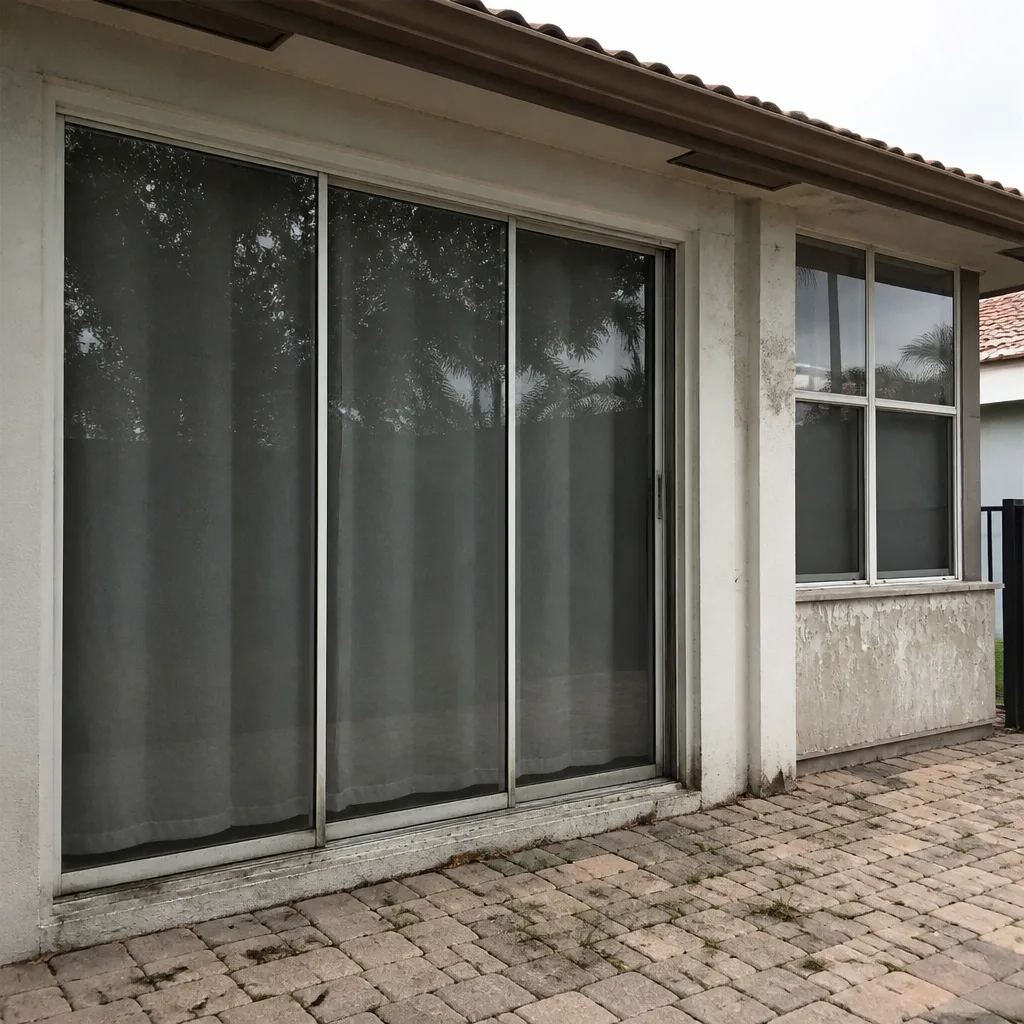 Before
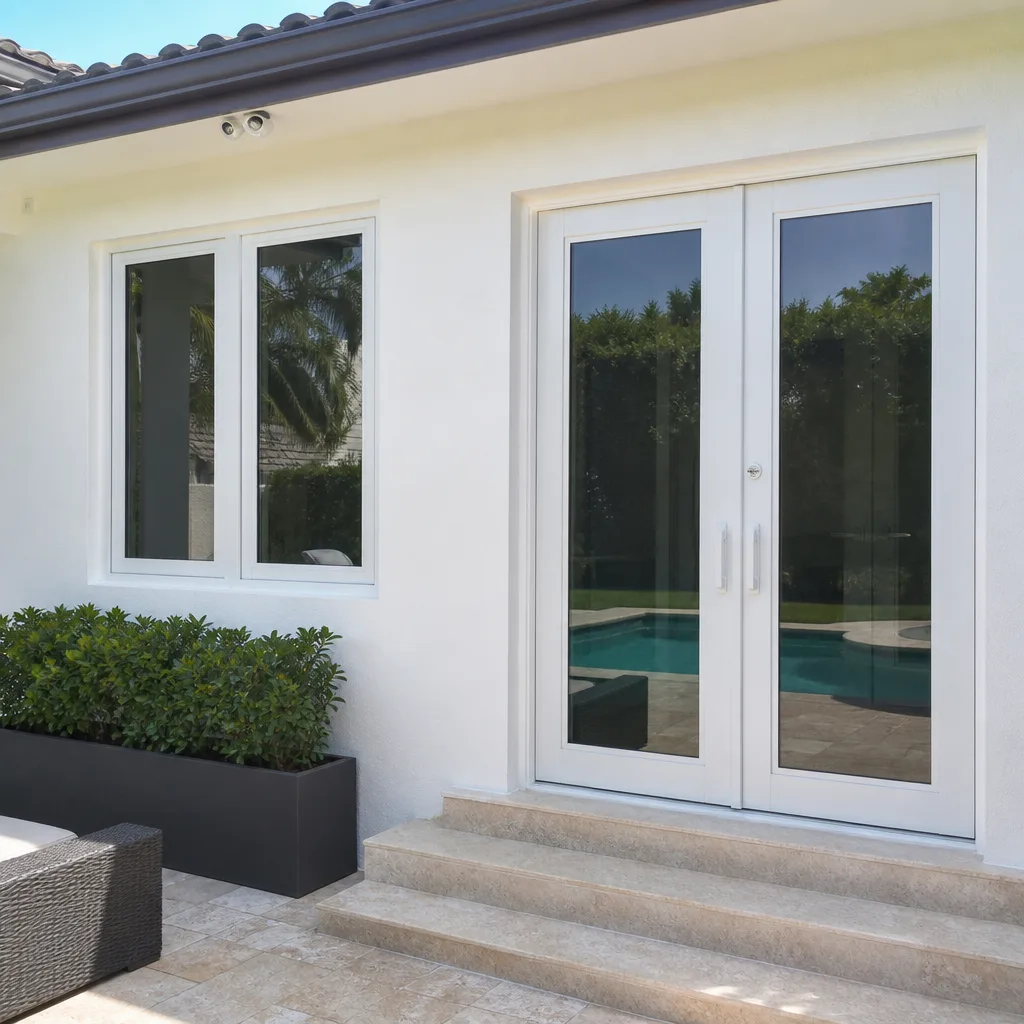 After
After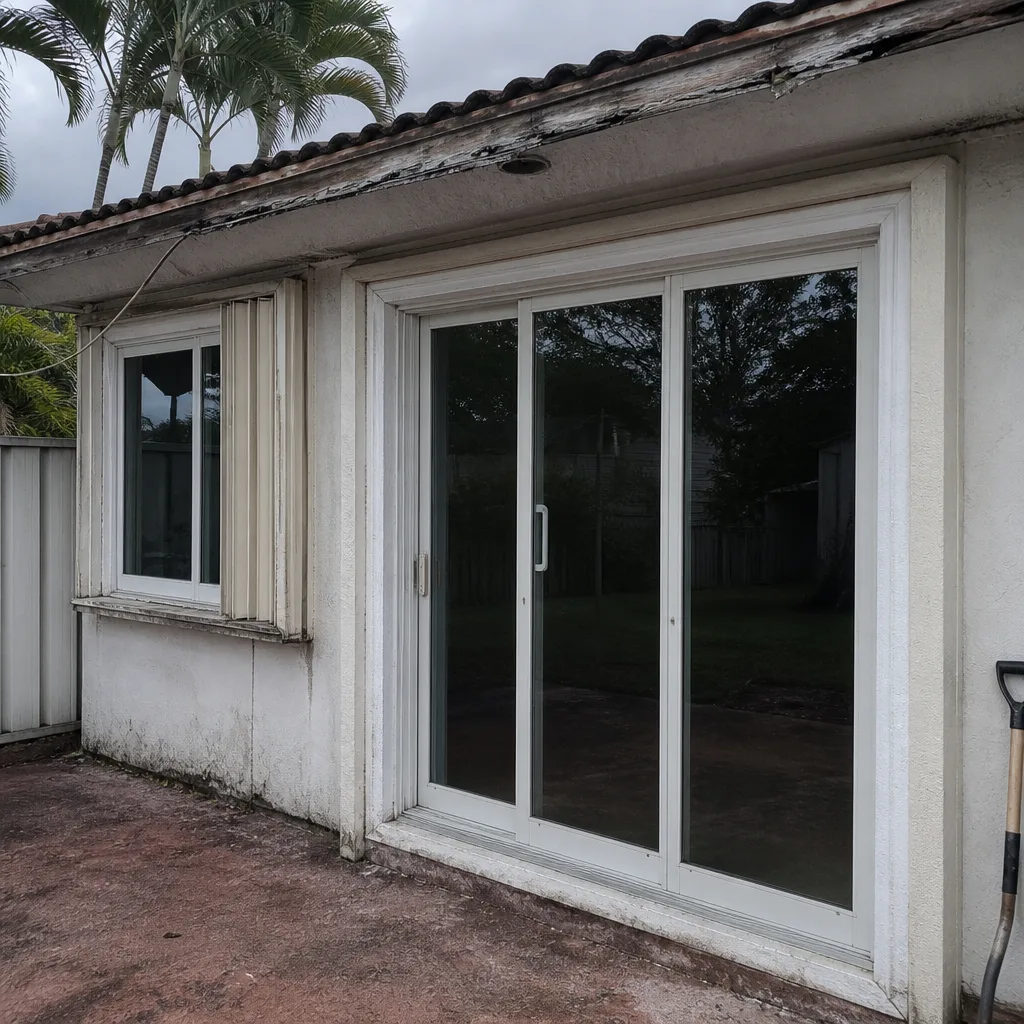 Before
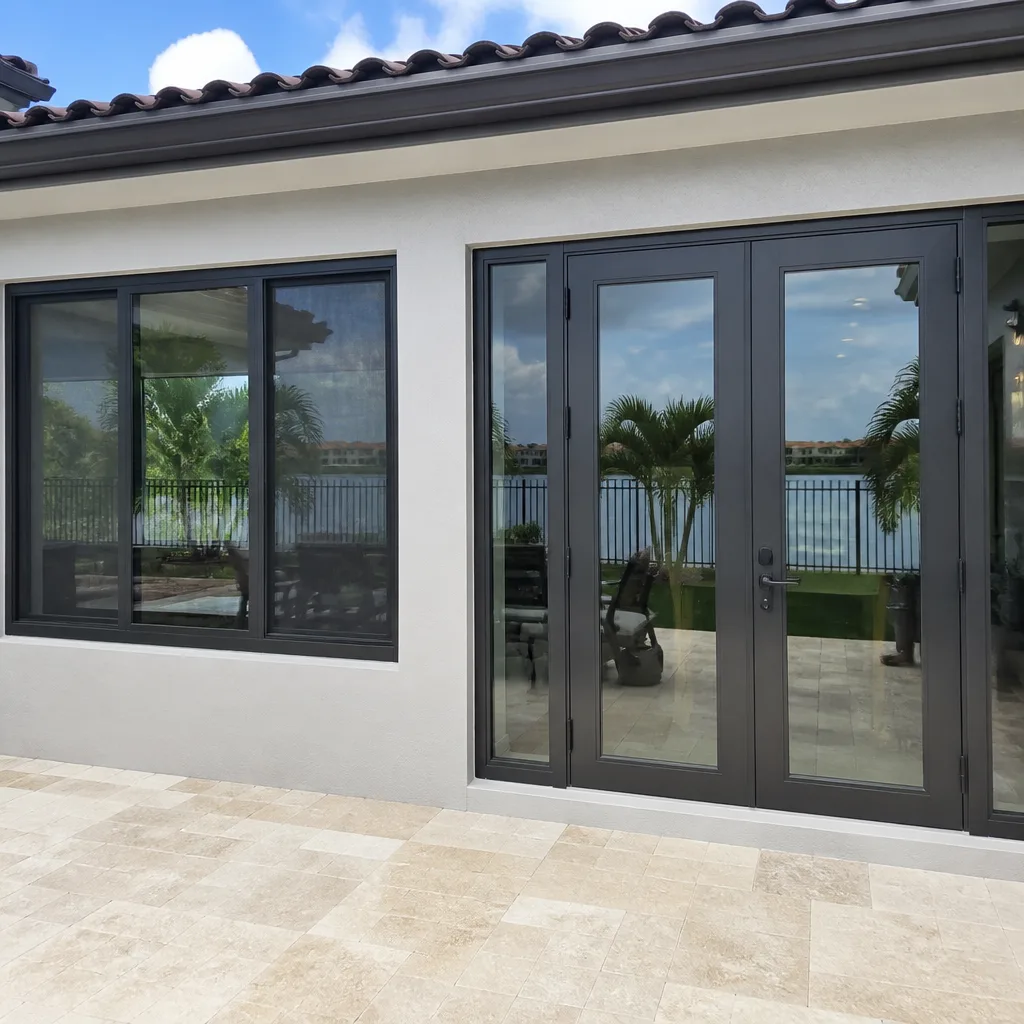 After
AfterSeasonal Windows & Doors Care for Doral: Year-Round Homeowner’s Guide
Most window service calls in Doral arrive in September, after a named storm has already tested the glazing. The smarter call happens in April. That 30-day window before Atlantic hurricane season opens on June 1 is the highest-value maintenance period a Doral homeowner has - yet fewer than one in five homeowners we meet have a documented pre-season inspection record. In this guide and our more guides & resources, you’ll learn how to build a maintenance calendar anchored to Doral’s actual two-season climate, not a northern template. We’ll cover wet-season prep with pass/fail criteria, dry-season UV degradation signs specific to South Florida, condensation patterns that distinguish normal humidity from seal failure, and a post-storm documentation protocol that protects your insurance position.
Quick Answer
Doral homeowners should maintain windows and doors on a two-season calendar: wet-season prep in April-May focused on hardware torque, sealant integrity, and impact glazing inspection; mid-season checks in July-August for drainage path clearance and frame weep hole function; post-storm documentation in September-October before any cleanup; and dry-season care from November-March addressing UV chalking, vinyl frame protectant application, and anodized frame oxidation. This schedule - detailed further in our Window Installation Maintenance Checklist for Doral Homeowners - aligns maintenance with actual climate stressors including sustained humidity above 80% and named storms from May through October, then thermal cycling and UV degradation from November through April.
Table of Contents
- Why Doral’s Two-Season Calendar Matters
- Wet Season Prep: April-May Checklist
- Mid-Season Inspection: July-August
- Post-Storm Documentation Protocol
- Dry Season Care: November-March
- Reading Condensation Patterns in South Florida
- Common Mistakes to Avoid
- When to Call a Professional
- Frequently Asked Questions
 Before
 After
AfterWhy Doral’s Two-Season Calendar Matters
Doral does not experience four seasons. The city sits at 25.8°N latitude with a tropical monsoon climate that compresses the year into two distinct stress periods. From May through October, the wet season delivers sustained relative humidity above 80%, average rainfall exceeding 7 inches monthly from June through September, and the statistical probability of at least one named storm making landfall somewhere in Florida. From November through April, the dry season brings lower humidity but intense UV exposure - Doral averages 248 clear days annually - and thermal cycling that can swing 25°F between dawn and midday in January.
These two seasons degrade windows and doors through entirely different mechanisms. Wet-season failures show up as sealant fatigue, hardware corrosion, and water intrusion at frame perimeters. Dry-season failures manifest as UV chalking on painted aluminum, vinyl frame brittleness, and insulated glass unit (IGU) seal breaches from thermal flexing. A maintenance calendar copied from a northern climate - with its emphasis on winterizing and spring cleaning - misses both patterns entirely.
We’ve documented this in our work across Doral since 2012. Homes in neighborhoods like Doral Isles and The Greens, built during the 2003-2007 construction wave, now show predictable failure sequences: impact-rated windows that passed Miami-Dade HVHZ certification at installation but developed edge delamination after eight to ten wet seasons without perimeter sealant inspection. The window installation in Doral that follows the Haven Standard includes a measured survey documenting frame condition at the start, but ongoing care remains the homeowner’s responsibility.
The calendar below is built from our field records - 18,000+ openings inspected, installed, or replaced - and from the climate data that actually governs Doral. Each task includes a pass/fail criterion you can verify without specialized tools.
Wet Season Prep: April-May Checklist
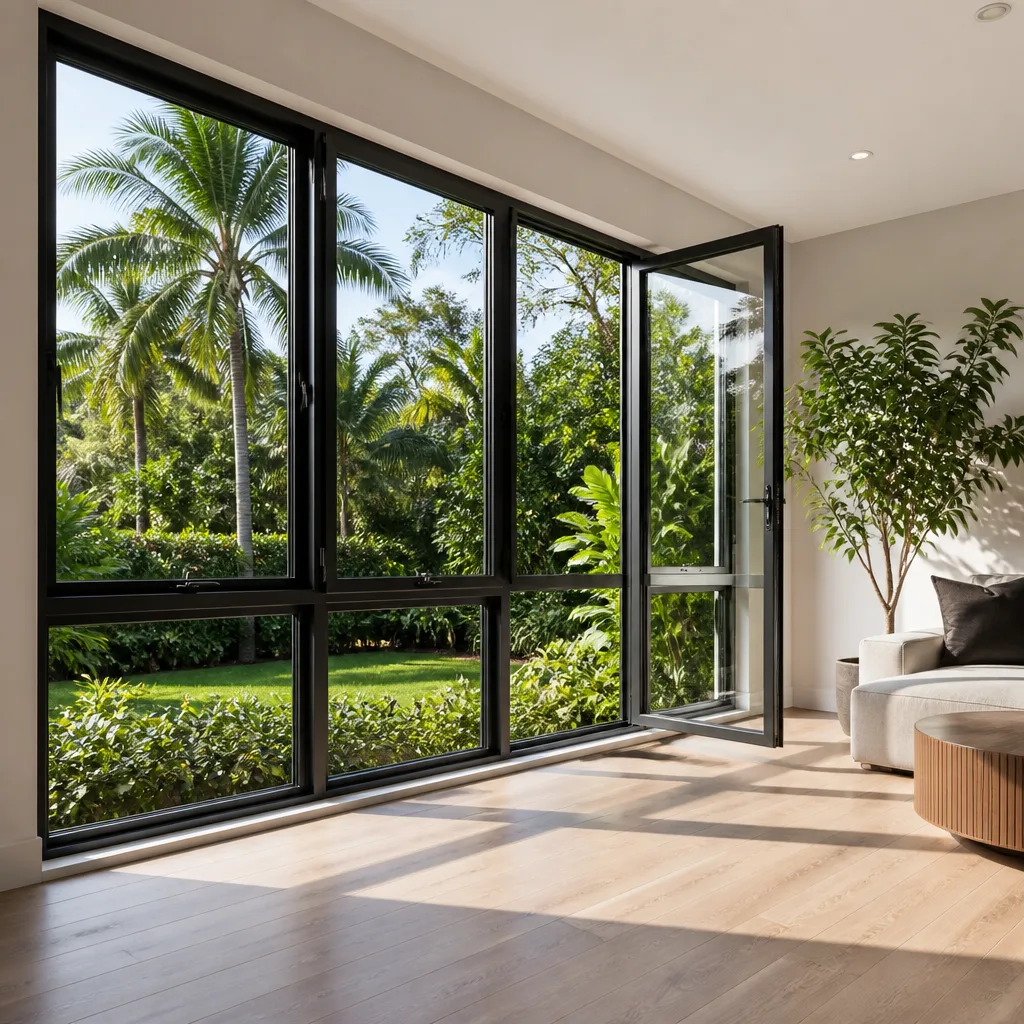
The 30 days before June 1 are the highest-return maintenance period in the Doral year. Here’s what to inspect, how to evaluate it, and what the finding means.
1. Hardware Torque Check
Impact-rated windows and doors in Doral rely on multi-point locking systems to resist wind-borne debris pressure. Over a wet season, humidity cycling loosens fasteners at a predictable rate.
What to do: Close and lock each window and door. Attempt to rattle the sash or panel in the closed position. Then open to the ventilation position and check that the friction stay or limit device holds firm without sag.
Pass: No movement in the locked position; hardware operates with consistent resistance throughout its range.
Fail: Visible fastener loosening, rattling in the locked position, or hardware that binds or slips. A binding handle often indicates frame settlement or fastener back-out - both require correction before storm season.
2. Sealant Integrity by Touch and Visual Test
Perimeter sealant is the primary water management element for window and door installations in Doral. The HVHZ code requires specific sealant profiles, but no sealant lasts indefinitely in 80%+ humidity.
What to do: Run a gloved finger along the exterior sealant bead at the frame-to-wall interface. Press firmly. Visually inspect for cracking, crazing, or separation from either substrate.
Pass: Sealant remains elastomeric (returns to shape after pressure), adheres to both frame and wall, shows no surface cracking.
Fail: Hard or brittle texture, visible cracks, or adhesion loss revealing a gap. Any gap wider than 1/16 inch at the sealant-to-frame edge is a water intrusion path. Document with dated photos before any repair attempt.
3. Impact Glazing Inspection for Edge Delamination
Impact-rated glazing in Doral - whether from PGT, CGI, or other Miami-Dade-approved lines - uses laminated glass with an interlayer (typically PVB or SentryGlas) bonded between lites. The edge is the vulnerability: moisture ingress at the perimeter degrades the interlayer bond.
What to do: Examine the glass perimeter from inside and outside in raking light (light angled across the surface). Look for milky discoloration, bubbles, or separation at the edge seal.
Pass: Clear edge with consistent interlayer coloration; no visible separation.
Fail: Milky or cloudy edge zone extending more than 3/8 inch from the glass perimeter; visible bubbles; or any delamination visible to the unaided eye. This is a progressive failure - the glazing retains impact resistance until it doesn’t. Schedule replacement before storm season.
4. Drainage Path and Weep Hole Function
All windows installed under Miami-Dade code have designed drainage paths. In Doral’s wet season, these paths move gallons of water past the sill.
What to do: Locate weep holes (typically at the exterior sill, covered by a flap or baffle). Verify they are unobstructed. Pour a cup of water into the sill track and confirm it drains to the exterior within 30 seconds.
Pass: Free drainage; no standing water; weep covers intact.
Fail: Blocked weep holes, standing water, or missing covers. Standing water in the track accelerates frame corrosion and provides mosquito breeding habitat - a code compliance issue in Miami-Dade County.
Pre-Storm Documentation: Complete this checklist by May 15. Photograph each pass/fail determination with date stamps. Store in cloud backup. This record establishes pre-storm condition for any insurance claim.
Mid-Season Inspection: July-August
By mid-July, Doral has typically experienced 30+ days of sustained humidity above 80% and possibly a tropical storm watch. This inspection verifies that pre-season prep has held and catches developing issues before peak storm frequency in August-September.
What to Check
- Re-inspect weep holes. Pollen, dust, and organic debris accumulate rapidly in July. A weep hole clear in April can be obstructed by August. Check after any significant rain event.
- Track hardware operation feel. Handles and locks that operated smoothly in April may show increased resistance. This often indicates frame swelling from moisture absorption (vinyl) or fastener corrosion (aluminum). Do not force - identify the binding point.
- Interior perimeter check for water staining. Examine drywall at the window head and sill corners. Any discoloration, even faint, indicates water management failure. The stain location tells you where: head stains suggest improper flashing or sealant failure above; sill corner stains indicate weep obstruction or improper sill pan installation.
- Impact glazing re-check after any tropical storm watch. Even if the storm did not make landfall, pressure cycling and wind-driven rain test the installation. Re-examine edge delamination indicators and sealant adhesion at any point that experienced visible water exposure.
In our experience across Doral, the July-August inspection prevents the September emergency call. Homes in the Midtown Doral area, with higher-density construction and reduced wall drying potential, show interior staining at roughly twice the rate of single-family neighborhoods - not because the windows are different, but because adjacent buildings reduce air circulation and extend drying time after rain events.
The window replacement in Doral that follows the Haven Standard includes a post-installation photo record showing weep hole location and drainage path design. Homeowners should reference this record during mid-season inspection to confirm nothing has shifted or been obstructed since installation.
Post-Storm Documentation Protocol
This section addresses the documentation gap that costs Doral homeowners thousands in disputed insurance claims. The sequence matters: document before cleanup, or the documentation value is compromised.
Step-by-Step Protocol
- Safety first. Do not approach damaged glazing until you have verified no structural damage to the surrounding wall or frame. Impact-rated glazing may remain in place with visible cracks - the interlayer holds shards in place. Do not touch cracked glass; photograph first.
- Exterior documentation, wide to tight. Photograph each affected opening from 20 feet, then 10 feet, then 2 feet. Include the surrounding wall cladding to establish context. Date and time stamp all images. GPS location if your device supports it.
- Interior documentation, same sequence. Photograph from inside, showing the relationship between the window/door and interior finishes. Water staining on drywall is claim-relevant damage - document before it dries or is cleaned.
- Video walkthrough. A continuous video of all affected openings, narrating what you observe, creates a contemporaneous record that resists later challenge. State the date, time, and storm name at the start.
- Preserve physical evidence. If glazing is breached, retain a sample of the broken lite if safely obtainable. Label with date, location, and opening identifier. Store where it will not be disturbed.
- Do not authorize repair before adjuster inspection unless emergency conditions require it. If emergency board-up is necessary, photograph the damage before board-up, the board-up process, and the completed protection. Keep all receipts.
- Contact your installer for a documented assessment. A written condition report from a licensed installer carries weight in claim disputes. Sightline Windows & Doors Doral provides this as a standard service to existing customers; the report includes frame measurements, glazing specifications, and recommended scope with line-item pricing.
The insurance position is strengthened by timestamped evidence created before any cleanup. We’ve reviewed claims where the difference between full replacement and partial repair came down to whether the homeowner had pre-cleanup photos showing delamination at the glazing edge - a condition that proves the failure was storm-induced, not long-term degradation.
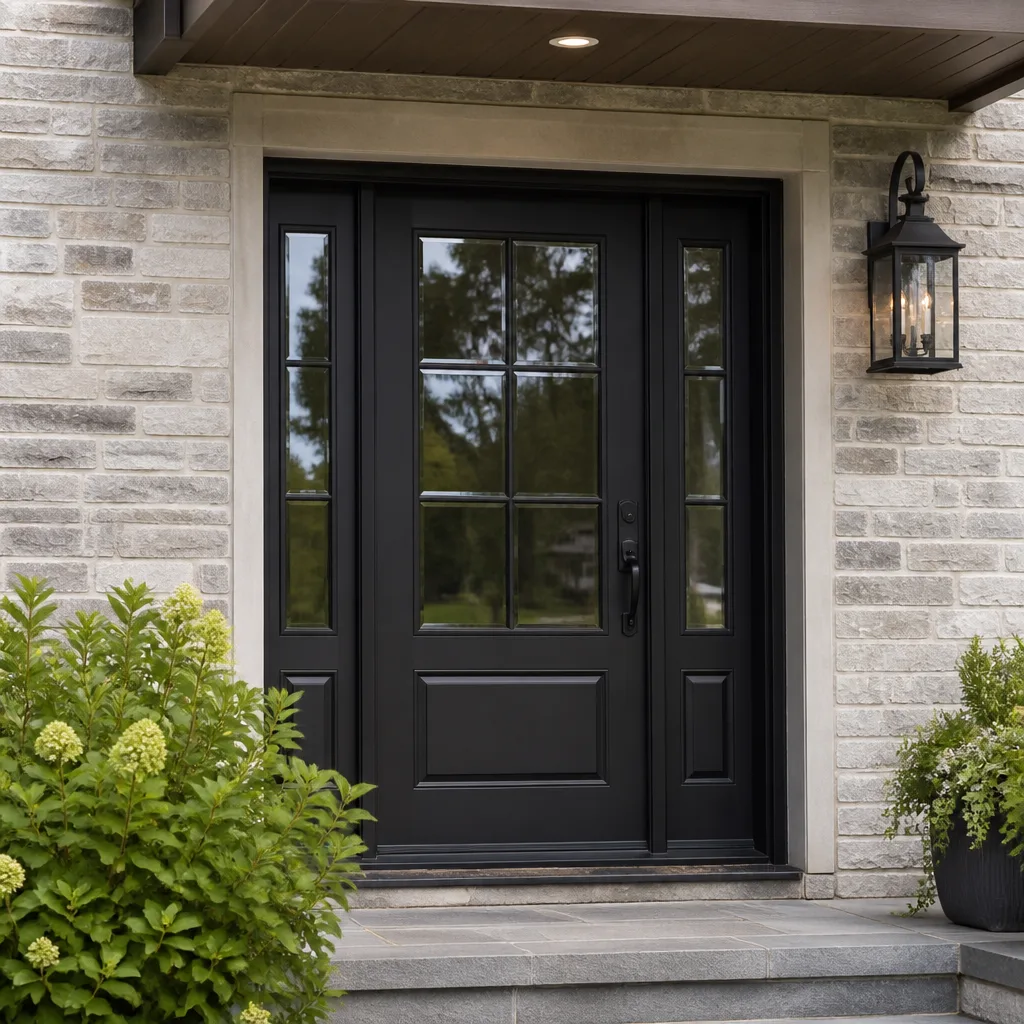
For door installation in Doral with impact ratings, the same protocol applies. Sliding glass doors and entry systems with sidelites are particularly vulnerable to pressure cycling; document the operability of the lock mechanism after any storm exposure, as frame racking can cause misalignment that is not visually obvious.
Dry Season Care: November-March
From November through March, Doral’s primary window and door stressors shift. Humidity drops to 60-70% range, rainfall averages under 2 inches monthly, and UV intensity remains high despite lower temperatures. The degradation mechanisms are thermal cycling and photochemical breakdown - fundamentally different from wet-season concerns.
UV Chalking on Painted Aluminum Frames
Painted aluminum frames, common in Doral’s 1990s-2000s construction, develop surface chalking as the resin binder degrades under UV. This is not merely cosmetic. Chalking indicates the protective layer is thinning; continued exposure leads to pigment fading and eventually substrate oxidation.
Identification: Run a clean, damp white cloth across the frame surface. If the cloth picks up a powdery residue, chalking is present. The amount on the cloth indicates severity: light dusting is early-stage; heavy residue with visible color transfer is advanced.
Response: Light chalking responds to cleaning with a non-abrasive detergent and soft brush. Do not use petroleum-based solvents - they accelerate binder breakdown. After cleaning, apply a UV-stable automotive-grade sealant or frame restorer specified for architectural coatings. Advanced chalking with substrate exposure requires professional evaluation; recoating may be possible, or frame replacement may be more cost-effective - see our Windows & Doors Cost Breakdown: The Doral Homeowner’s Reference for 2026 to compare options.
Vinyl Frame Protectant Selection
Vinyl frames (uPVC) are common in newer Doral construction and in replacement installations from lines like CWS and ECO Window Systems. Vinyl does not chalk like paint, but it does degrade photochemically - the surface develops a dull, slightly tacky feel as plasticizers migrate and degrade.
Critical: Do not apply petroleum-based products (Armor All, tire dressing, mineral oil) to vinyl window frames. These products are not UV-stable, attract dust, and can cause stress cracking by attacking the polymer formulation. Use only protectants specified for vinyl siding or vinyl window frames, with UV inhibitor content stated on the label.
Application: Clean frame with mild detergent, rinse thoroughly, dry completely. Apply protectant thinly per manufacturer directions. Excess product in frame joints can interfere with drainage - wipe away any pooling.
Anodized Frame Oxidation
Clear anodized aluminum frames show oxidation differently than painted frames. The anodized layer is a controlled oxide coating; when it degrades, the surface develops a mottled, slightly whitish appearance that does not wipe away.
Identification: Distinguish anodized oxidation from water spots by location. Oxidation appears on all exposed surfaces uniformly; water spots concentrate where runoff flows. Oxidation does not respond to vinegar or mild acid cleaning; water spots do.
Response: Light oxidation can be managed with anodized aluminum restorer products. Advanced oxidation with pitting indicates the anodized layer has breached; the frame will continue to degrade and may develop structural weakness at thin sections. Professional evaluation recommended.
IGU Seal Breach Detection in Dry Season
Thermal cycling - cool mornings to warm afternoons, repeated daily - flexes insulated glass units. Failed edge seals show most clearly in dry season because the temperature differential drives visible condensation between lites.
Identification: Fog or condensation between glass lites that appears in morning cool and may dissipate by midday. This is distinct from interior surface condensation (discussed below). Once visible, the IGU seal has failed; the desiccant is saturated and the unit will progressively cloud.
Documentation: Photograph the fog pattern with date and time. The pattern (uniform, edge-heavy, or spot) indicates the failure mode and helps specify replacement. Contact your installer for measurement and specification of the replacement IGU or sash.
Reading Condensation Patterns in South Florida
Condensation on windows in Doral generates unnecessary service calls every winter. Most condensation is normal; some indicates failure. The pattern tells you which.
Normal Interior Condensation
Appears on the interior glass surface during cool, humid mornings - typically January through March in Doral, when overnight temperatures drop to 55-65°F and morning relative humidity peaks before the sun warms the glass. This condensation forms because the glass surface is below the dew point of the interior air.
Distinguishing features: Uniform across the glass surface; wipes away cleanly; reappears under similar conditions; no staining or residue when dry.
Management: Reduce interior humidity (dehumidifier, exhaust fans), increase air circulation near glass (ceiling fan, open blinds), or temporarily raise thermostat setpoint to warm glass surface. This is not a window defect.
Failed IGU Seal (Between Lites)
Appears as fog, haze, or droplets between the glass lites of a double- or triple-pane unit. Cannot be wiped away. Typically worsens over time; may be permanent or may cycle with temperature.
Distinguishing features: Located between lites, not on either surface; persistent or recurring regardless of interior humidity; may show mineral staining or etching on interior glass surfaces as the desiccant fails and moisture accumulates.
Implication: The edge seal has failed. The IGU has lost its insulating value and will continue to degrade. Replacement is required. The Sightline Windows & Doors Doral home page includes information on IGU replacement and full sash replacement options.
Exterior Surface Condensation
Appears on the outside glass surface, typically in early morning during high humidity periods with little wind. Common on high-performance low-E coatings, which reduce heat transfer and can make the exterior glass surface cooler than ambient air.
Distinguishing features: Exterior surface only; dissipates as sun warms the glass or wind increases; indicates the low-E coating is performing as designed by reducing heat flow.
Implication: Normal performance of energy-efficient glazing. No action required.
Condensation at Frame-Glass Interface
Appears at the edge of the glass where it meets the frame, particularly on the interior. May indicate thermal bridging at the edge seal or frame insulation deficiency.
Distinguishing features: Concentrated at perimeter, not uniform; may cause staining or mold on adjacent drywall if persistent.
Implication: Evaluate frame thermal break integrity and edge seal construction. Some aluminum frames without thermal breaks show this pattern predictably. Replacement with thermally improved framing may be warranted.
Common Mistakes to Avoid
- Using petroleum-based products on vinyl frames. These products degrade the polymer formulation, attract dust, and can cause stress cracking. We’ve replaced vinyl frames in Doral homes where the homeowner applied tire dressing for years, accelerating surface degradation by half a decade.
- Pressure-washing window and door perimeters. High-pressure water drives past sealant edges, saturates wall cavities, and can damage weep hole baffles. Use low-pressure rinse and soft brush for exterior cleaning.
- Ignoring weep holes because “the window is new.” New installations are particularly vulnerable to weep obstruction from construction debris and initial paint overspray. Check weep function at 30 days post-installation and annually thereafter.
- Cleaning impact-rated glazing with ammonia-based products. Ammonia can degrade the edge seal of laminated glass over time. Use mild detergent or products specified for coated glass.
- Documenting storm damage after cleanup. Insurance adjusters evaluate damage based on contemporaneous evidence. Photos of debris piles and completed repairs do not establish causation. Document first, clean second.
- Assuming all condensation indicates failure. January morning interior condensation in Doral is typically normal physics, not defective windows. Evaluate pattern, location, and persistence before calling for service.
- Deferring maintenance until September. By then, the damage pattern is established, storm season is active, and installer availability is constrained. April-May prep prevents September emergency.
When to Call a Professional
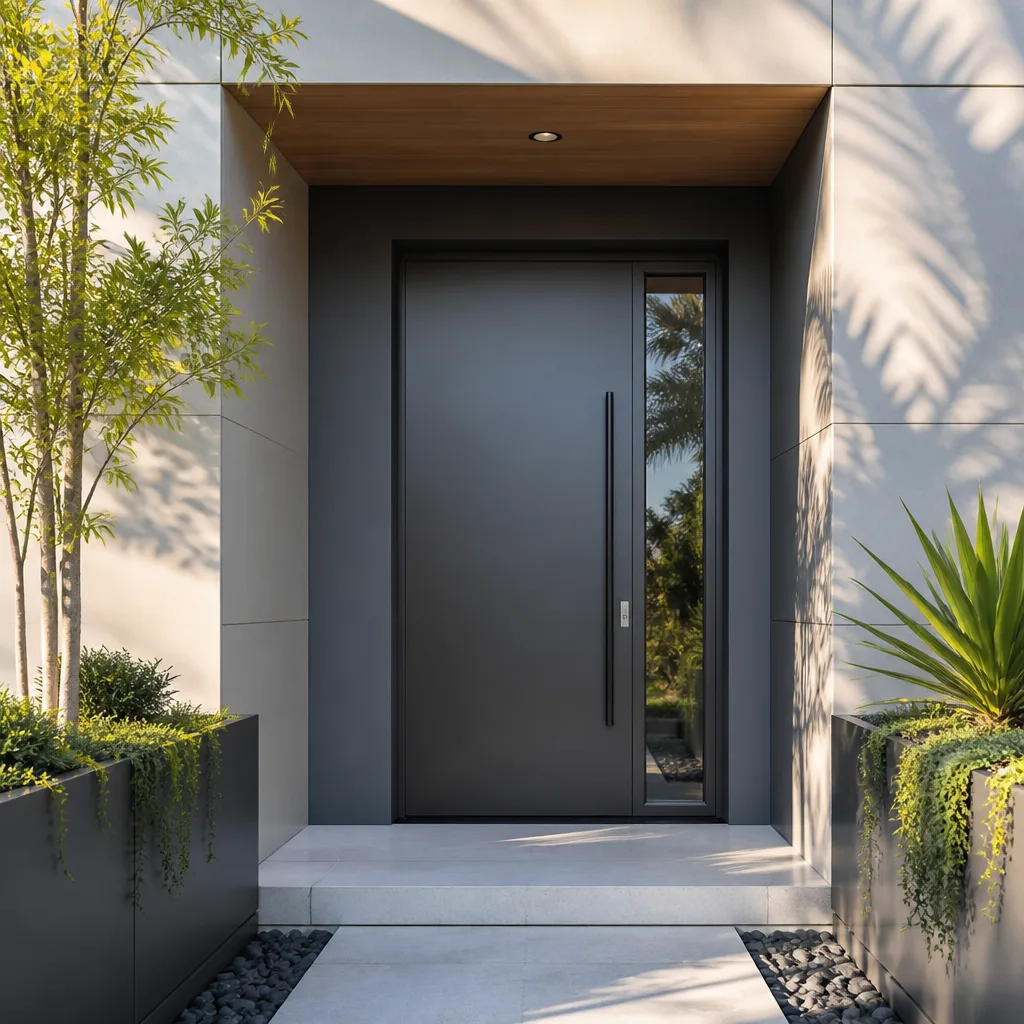
Call a licensed window and door contractor when you identify edge delamination in impact glazing, persistent between-lite condensation indicating IGU seal failure, structural frame damage or corrosion, or any water intrusion pattern that reappears after your maintenance correction. Also call when your documentation for insurance purposes requires a professional condition report with line-item scope and pricing.
Sightline Windows & Doors Doral offers free estimates in Doral - call (786) 460-1563. Every estimate begins with a measured survey you keep, and the written quote is the same document. Our technicians are background-checked, uniformed, and identified by license number before arrival, per Haven Clause 3. The 365-Day Done Right Promise applies to every installation.
Frequently Asked Questions
Professional window and door maintenance in Doral typically ranges from $150-$400 for a whole-home inspection and basic service, depending on opening count and accessibility. Impact glazing inspection with written condition report adds $75-$150. IGU replacement for a failed seal runs $300-$600 per sash, including measurement, ordering, and installation. Full-frame replacement under the Haven Standard begins with a measured survey at no charge. Call (786) 460-1563 to schedule your free estimate.
No. Haven Clause 1 requires that the written price before any work starts is the final price. The measured survey and the quote are the same document. If we encounter concealed damage during installation, we document it, stop work, and present a revised scope with pricing before proceeding. No surprises.
Routine maintenance - cleaning, hardware adjustment, sealant touch-up - does not require permitting in Miami-Dade County. Glazing replacement in existing frames typically does not require permit if the frame and opening dimensions are unchanged. Full-frame replacement, changes to opening size, or alterations to impact-rated assemblies require permit and inspection. Sightline pulls all required permits and schedules inspections as part of every installation scope.
Impact rating is a system performance standard, not a property of the glass alone. After any storm exposure, inspect for edge delamination, frame racking (misalignment of sash to frame), and hardware deformation. If the glazing is cracked but retained by the interlayer, the assembly likely performed as designed - but the glazing requires replacement to restore rating. A professional assessment documents current condition and specifies restoration scope. Call (786) 460-1563 for a written condition report.
Low-E coatings reduce heat transfer through the glass, which can make the exterior surface cooler than ambient air in high-humidity conditions. Exterior surface condensation on high-performance glazing indicates the coating is working - the glass is not absorbing heat from your home and transmitting it outward. This is normal and typically dissipates within an hour of sunrise. Interior condensation patterns are unchanged by low-E coatings and follow the same humidity and temperature rules as standard glazing.
Quality architectural sealants in Doral’s wet-season exposure typically maintain performance for 7-12 years, depending on product specification, installation detail, and wall orientation. South and west exposures degrade faster due to combined UV and thermal loading. We recommend inspection at 5 years and every 2 years thereafter. Early replacement of degraded sealant is far less expensive than frame corrosion repair or interior water damage remediation.
Many impact-rated windows allow glazing-only replacement if the frame is undamaged and the original glazing specification is available. The replacement glazing must match the original Miami-Dade approval number for the assembly to retain its rating. Sightline specifies replacement glazing from PGT, CGI, CWS, ES Windows, and other approved lines by the original approval documentation, not by visual match. A measured survey confirms frame condition and opening dimensions before we quote glazing-only versus full sash replacement.
The Bottom Line
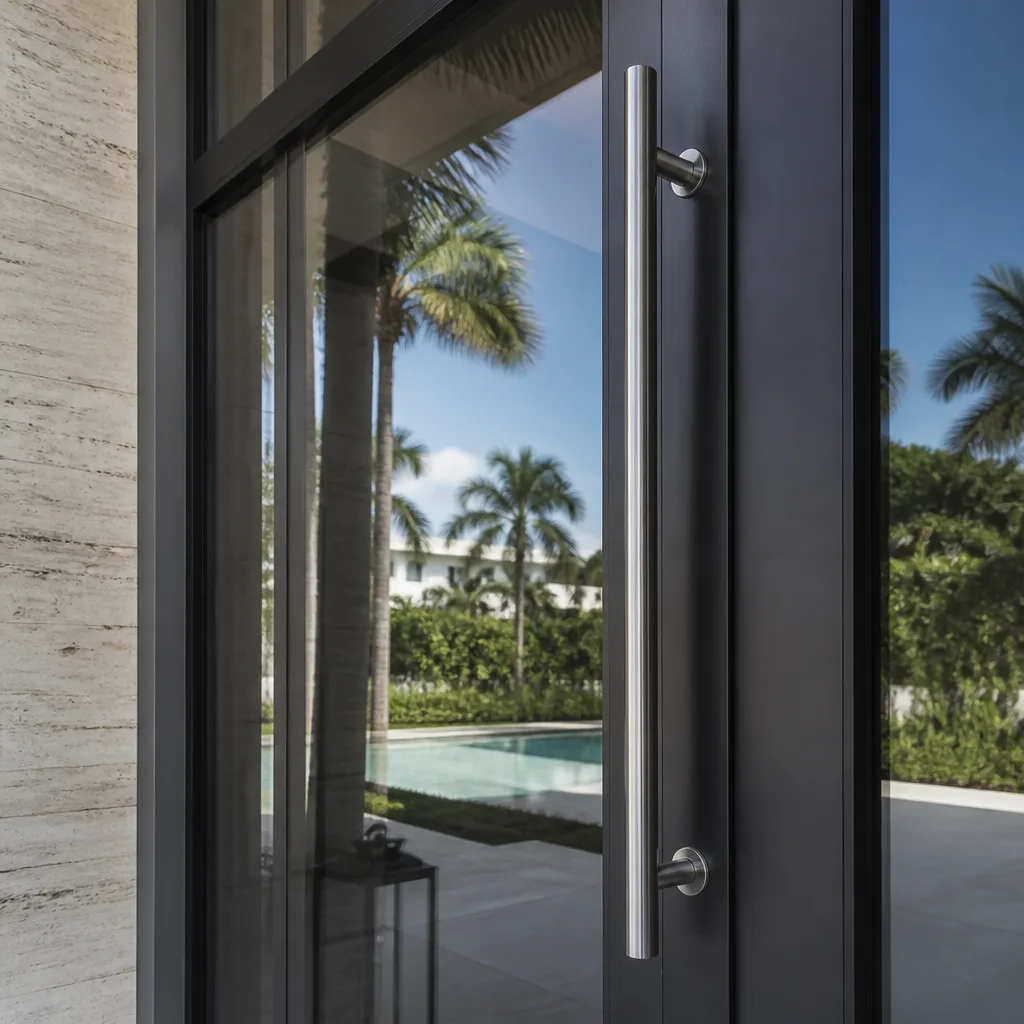
Doral’s two-season climate demands a two-season maintenance calendar. April-May prep focuses on hardware, sealant, and impact glazing integrity before hurricane season. July-August mid-season inspection catches developing issues at peak storm frequency. September-October post-storm documentation protects your insurance position before any cleanup. November-March dry-season care addresses UV degradation, vinyl protectant needs, and anodized frame oxidation. Condensation patterns distinguish normal physics from seal failure when you know what to look for. The homeowners who avoid emergency calls are those who treat the 30 days before June 1 as the highest-value maintenance period in their year.
Call (786) 460-1563 to schedule your free estimate. Every engagement begins with a measured survey you keep, and the written quote is the same document.
Written by Sonia Raman, Owner at Sightline Windows & Doors Doral, serving Doral since 2012.