
Last updated September 24, 2026
Free in-home measure and quote - PGT, CGI and CWS impact lines compared on your actual openings, style by style
 Before
 After
After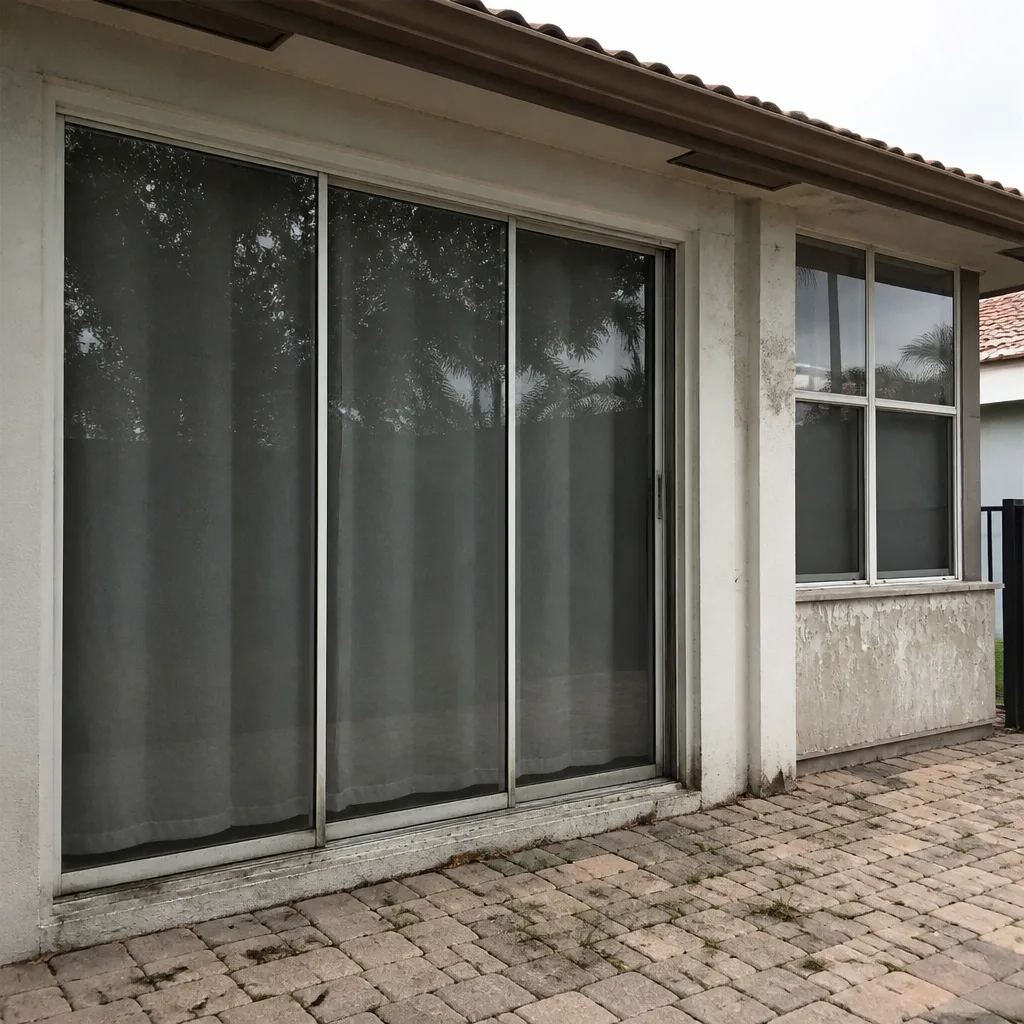 Before
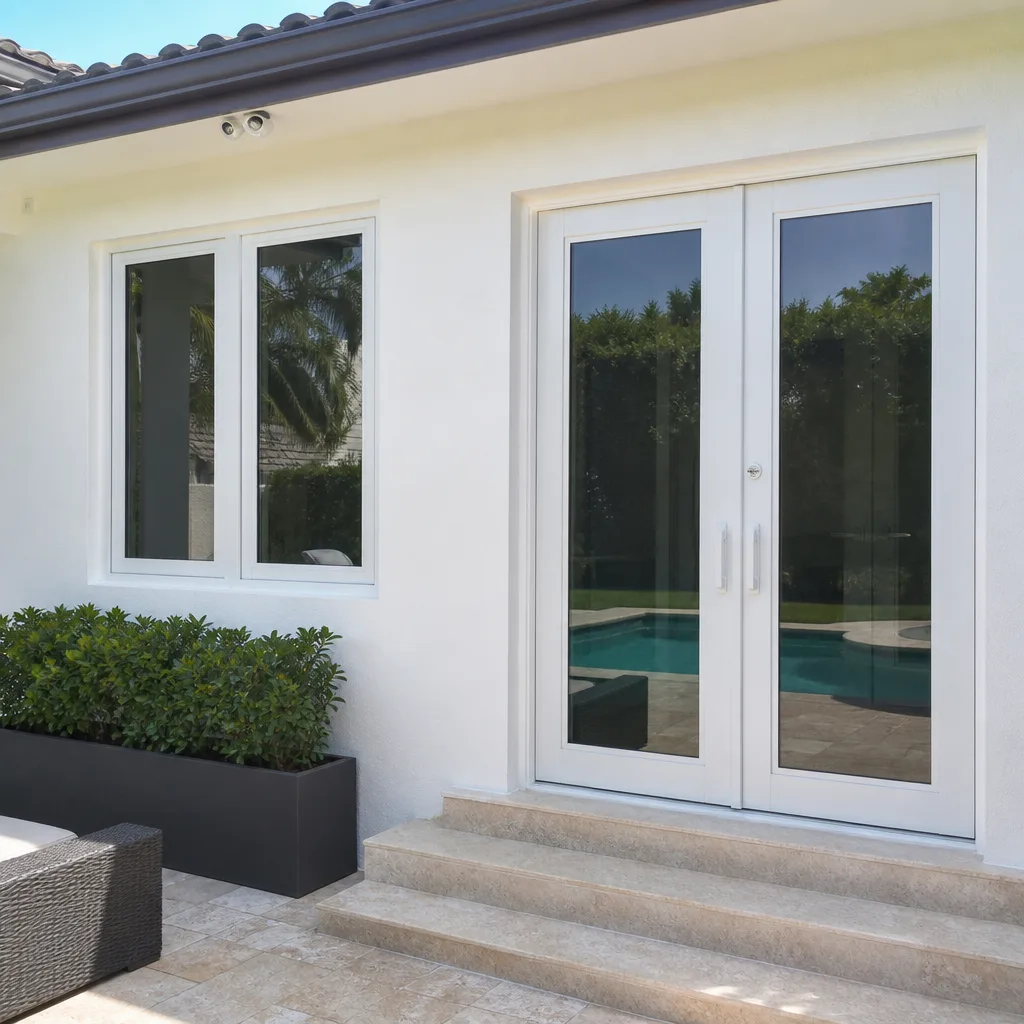 After
After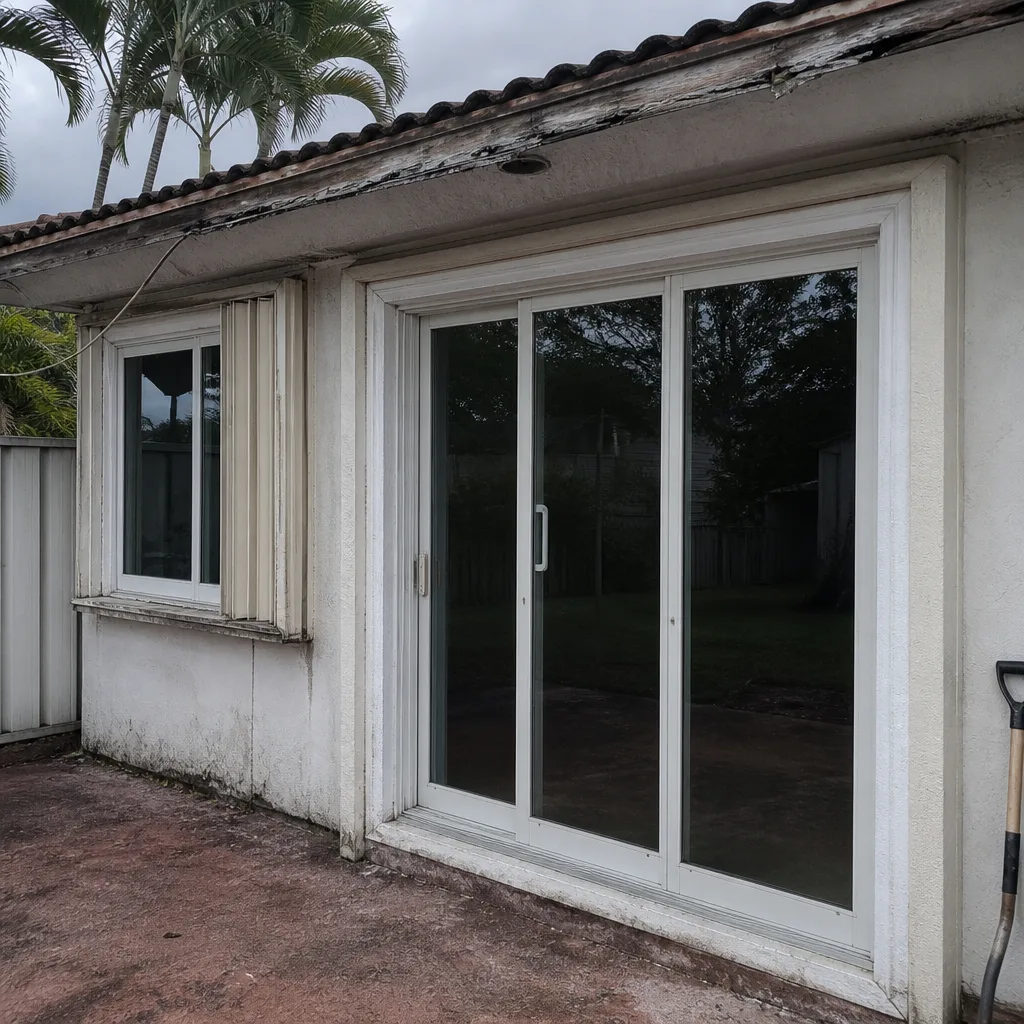 Before
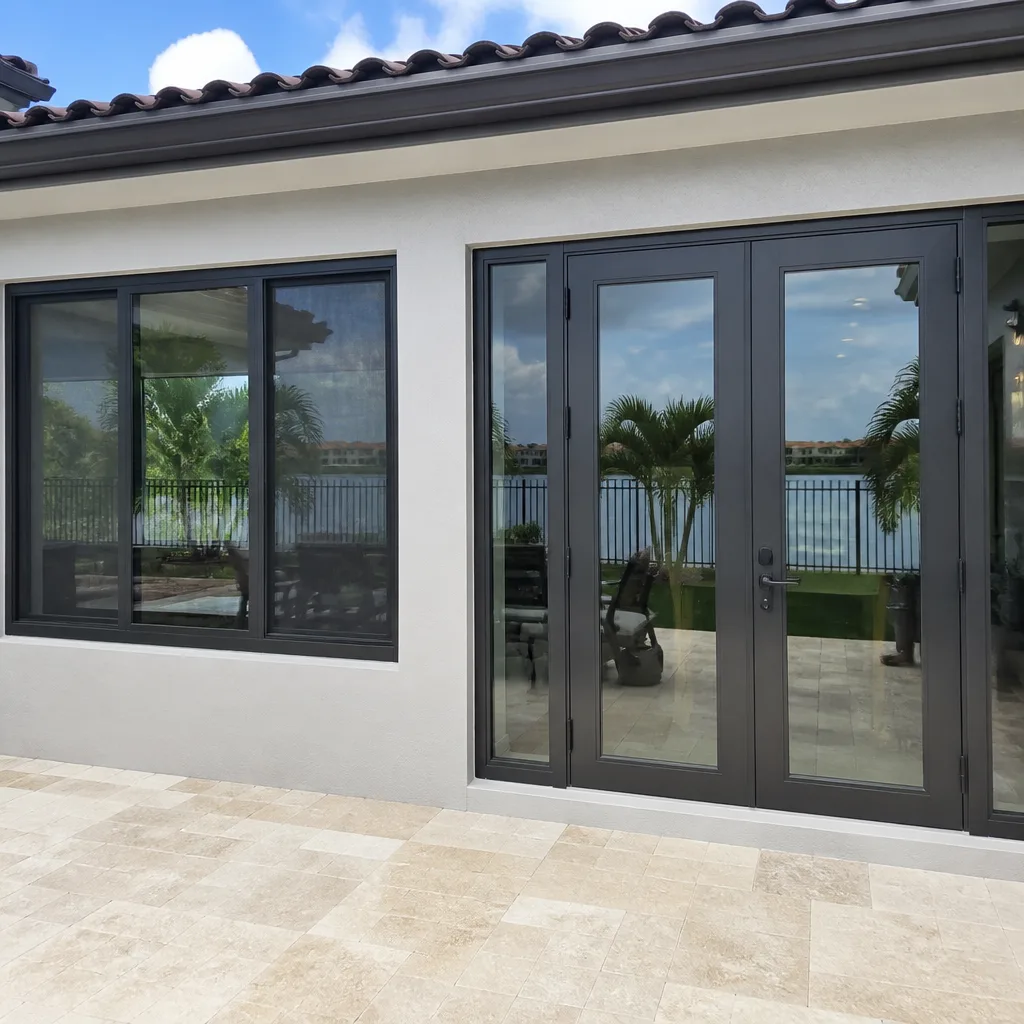 After
AfterWindows & Doors Permits, Codes & Inspections in FL: What You Need to Know
A Doral home sale that falls through because a window permit was pulled but never closed - the final inspection never scheduled - is not unusual. Title searches routinely surface open permits that become the seller’s problem to cure, often at a cost of $800 to $2,400 in re-inspection fees, re-permitting, and corrective work. In this guide, we’ll walk through the three-layer approval system that governs every window and door installation in Florida, explain how to verify each layer yourself, and show you the specific steps to confirm your permit is actually closed before you sign the final check. For The Complete Guide to Windows & Doors in Doral with additional detail, see our companion resource.
Quick Answer
Every window and door installation in Florida requires compliance with three separate approval layers: the Florida Building Code (8th Edition), Miami-Dade High-Velocity Hurricane Zone product certification, and municipal inspection sign-off. In Doral and surrounding Miami-Dade County, a permit is mandatory for any change to the opening size, product type, or impact rating; even “like-for-like” replacements in the High-Velocity Hurricane Zone often require permits because the existing installation may predate current NOA standards. The only way to confirm a permit is fully closed is to search the Miami-Dade Building Department database yourself - contractor verbal confirmation is not sufficient. See Windows & Doors Warning Signs: A Doral Homeowner’s Reference Guide for other red flags to watch for.
Table of Contents
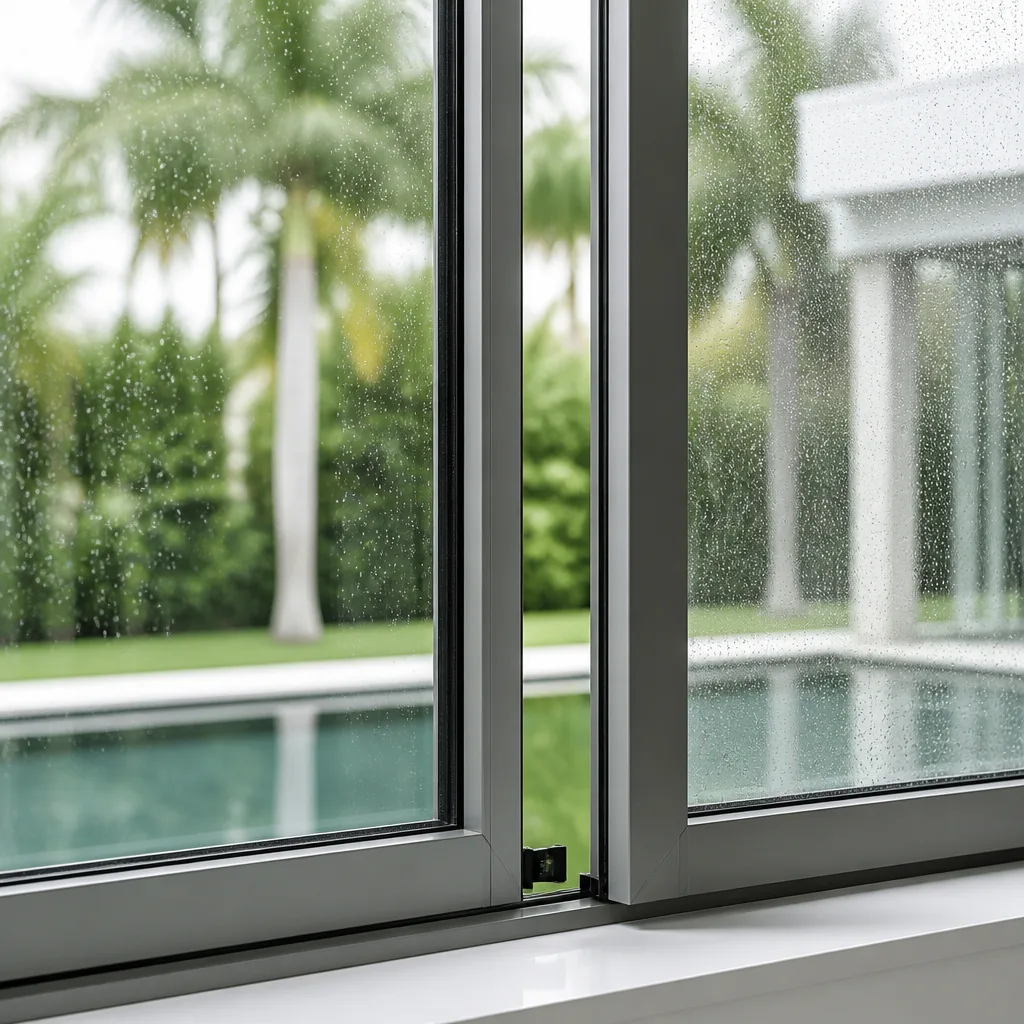
- The Three-Layer Approval System Most Homeowners Never See Complete
- What Triggers a Permit vs. What Qualifies as Like-for-Like
- The Notice of Acceptance (NOA): How to Look It Up and What Must Match
- Rough-In and Final Inspections: What Inspectors Actually Check
- How to Confirm Your Permit Is Fully Closed
- Doral-Specific Considerations: Neighborhoods, Climate, and Code Enforcement
- Common Mistakes to Avoid
- When to Call a Professional
- Frequently Asked Questions
- The Bottom Line
 Before
 After
AfterThe Three-Layer Approval System Most Homeowners Never See Complete
Florida’s window and door regulatory structure is not a single permit on a counter. It is three distinct layers, each with its own document trail, and most contractors hand the homeowner only one piece of paper at completion. The gaps are where liability lives.
Layer 1: Florida Building Code (FBC) 8th Edition (2023)
The statewide base code establishes minimum standards for structural load, wind resistance, energy efficiency, and egress. For windows and doors, the critical sections are:
- R301.2.1.1 - Wind speed requirements by region (Miami-Dade requires 175 mph design wind speed)
- R609 - Exterior windows and doors, including installation methods and fastening schedules
- R310 - Emergency escape and rescue openings (egress requirements for bedrooms)
- Chapter 11 - Energy efficiency, including U-factor and SHGC maximums
The FBC is adopted at the state level but enforced at the municipal level. A contractor working in Doral must pull a permit from the City of Doral Building Department, which enforces FBC plus local amendments.
Layer 2: Miami-Dade High-Velocity Hurricane Zone (HVHZ) Product Approval
Miami-Dade County operates under HVHZ rules, the most stringent in the nation. Every window and door installed here must carry a Miami-Dade Notice of Acceptance (NOA) or Florida Product Approval (FPA) with HVHZ equivalence. This is not optional, and it is not the same as an FBC compliance mark.
The NOA specifies:
- Exact product dimensions and configurations approved
- Maximum design pressure (DP) rating
- Approved installation method, including fastener type, spacing, and embedment depth
- Approved sealants and flashing details
- Limitations on use (e.g., “not approved for installations above 30 feet without engineering review”)
We’ve seen installations in Doral’s window installation projects where the product itself was FPA-approved but lacked the specific HVHZ appendix required for Miami-Dade. The permit was pulled, the inspection failed, and the homeowner paid for removal and reinstallation.
Layer 3: Municipal Inspection Sign-Off
The City of Doral Building Department conducts two inspections minimum: rough-in and final. Some projects trigger additional inspections for impact-resistant glazing verification or structural connection when the opening is modified. The permit is not closed until all required inspections pass and the contractor requests final sign-off.
Here is where the gap opens. A contractor can pull a permit, complete the work, and never schedule the final inspection. The permit remains open in the city’s system. When the homeowner sells, the title search finds it. The seller must then cure the open permit, which may require the original contractor (if still in business) or a new contractor to expose the installation for re-inspection.
At Sightline Windows & Doors Doral home, we document every inspection appointment, pass/fail result, and final sign-off date in the photo record the customer keeps. Haven Clause 4 (Evidence on every job) means the permit closure is not verbal; it is photographed and timestamped.
What Triggers a Permit vs. What Qualifies as Like-for-Like
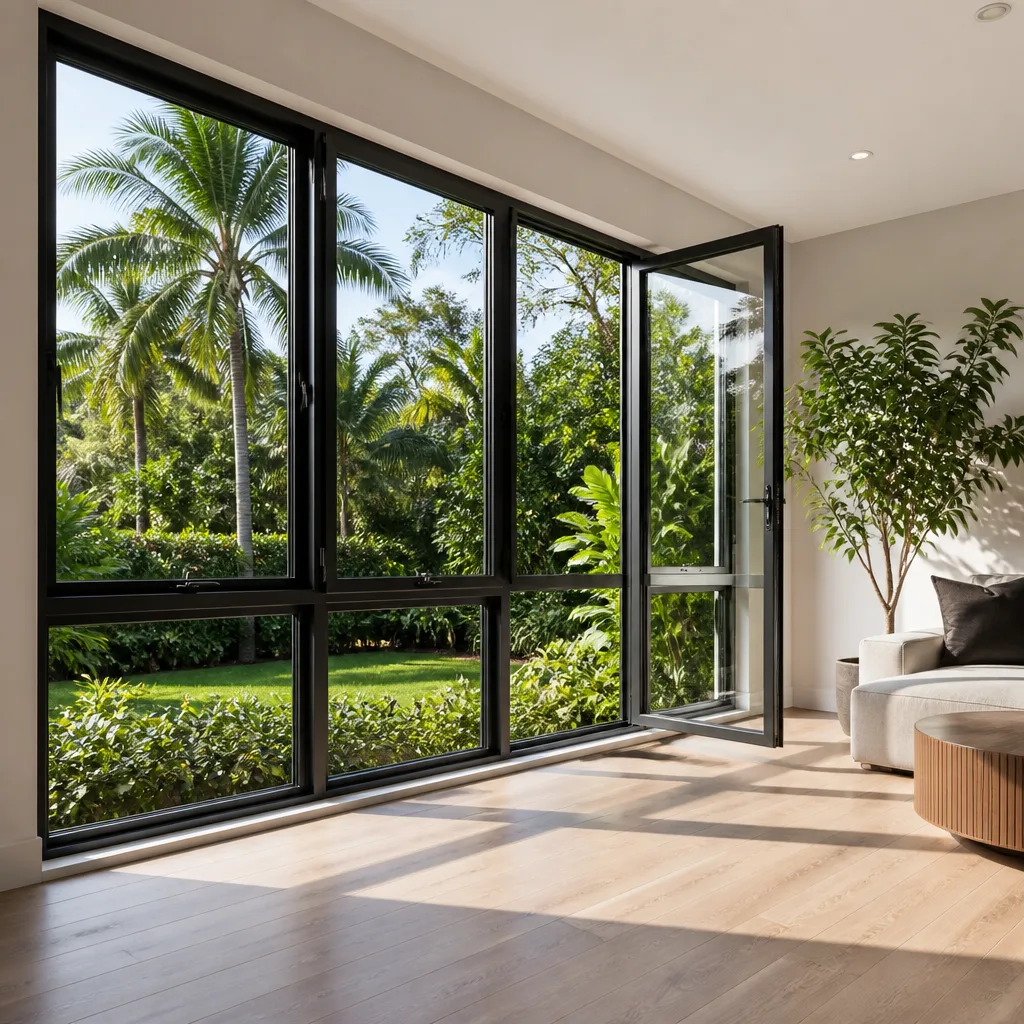
The most common misrepresentation we hear from homeowners in Doral is: “The last contractor said this was a like-for-like replacement, so no permit was needed.” This statement is often incorrect in the HVHZ.
What always triggers a permit in Doral and Miami-Dade:
- Any change to the rough opening dimensions, including enlargement or reduction
- Changing from non-impact to impact-rated products, or vice versa
- Changing product type (e.g., single-hung to casement, sliding glass door to French door)
- Changing the glazing type or thickness
- Any installation in a structure built after the current FBC edition’s effective date where the original installation was not permitted or does not meet current standards
- Replacement of windows or doors in condominiums or townhomes with HOA or master association oversight (separate approval layer)
The like-for-like exemption: narrower than represented
Florida statute and the FBC do contain provisions for repair or replacement of existing components without permit, but the exemption is limited to “maintenance of existing buildings” where the work does not affect structural, egress, or energy compliance. In practice, Miami-Dade’s HVHZ amendments swallow this exemption for most window and door work because:
- The existing installation may predate NOA requirements, meaning no currently approved product matches it exactly
- The fastening schedule in the current NOA likely differs from what was installed originally
- Energy code updates (FBC 8th Edition tightened U-factor and SHGC requirements) mean the replacement product must meet current standards even if the old one did not
We have measured openings in Doral neighborhoods including Downtown Doral, Doral Isles, and the streets near Doral Central Park where the “maintenance” exemption was claimed by a prior contractor. In every case, the existing installation lacked documentation of HVHZ compliance, and the replacement required a full permit with NOA-matched product.
When a permit may genuinely not be required:
- Glass-only replacement (retaining existing sash and frame) where the original installation has documented HVHZ compliance and the glass meets current DP and energy standards
- Hardware or weatherstripping replacement with no change to the opening or product performance
- Screen replacement
Even in these limited cases, we recommend verifying with the City of Doral Building Department before work begins. The cost of a permit verification call is zero. The cost of an unpermitted installation discovered at sale is typically $1,500 to $4,000.
The Notice of Acceptance (NOA): How to Look It Up and What Must Match
The Notice of Acceptance is the document that proves a window or door product is approved for installation in Miami-Dade’s High-Velocity Hurricane Zone. It is not a marketing claim. It is not a brochure statement. It is a numbered certificate issued by the Miami-Dade County Product Control Division after testing to TAS 201, 202, and 203 or ASTM E330, E547, and E1886.
How to look up an NOA
- Navigate to the Miami-Dade County Product Control Division database at miamidade.gov/building/product-control
- Search by manufacturer name (e.g., PGT, CGI, ES Windows) or by NOA number if you have it
- Verify the NOA status shows “Active” - expired or superseded NOAs are not valid for new installations
- Download the PDF and check the specific product configuration against what was quoted
What must match between the NOA and your installation
This is where homeowners and some contractors cut corners. The NOA is product-specific and configuration-specific. A PGT WinGuard window may have dozens of NOAs covering different sizes, glazing options, and installation methods. The following must match exactly:
- Product series and model: “WinGuard Aluminum Single-Hung” is not sufficient; the specific model number must match
- Maximum approved dimensions: A window 72 inches wide may be approved under one NOA but not another in the same series
- Glazing thickness and type: Laminated glass specified in the NOA cannot be substituted for monolithic or insulated laminated without a new approval
- Frame depth and wall thickness: The NOA specifies minimum and maximum wall thickness the frame is approved for
- Fastener type, size, spacing, and embedment: This is the most common failure point. The NOA specifies #10 x 2-1/2″ stainless steel screws at 8″ on center, for example; using a different fastener or spacing voids the approval
- Sealant and flashing: The NOA names specific products and application methods for the weather barrier
- Installation orientation: Some products are approved for vertical installation only; horizontal or sloped applications require separate engineering
At Sightline, our measured survey includes a frame reading that documents wall thickness, existing fastener locations, and opening squareness. The written quote specifies the exact NOA number for each product configuration. Haven Clause 1 (Have it in writing) means the NOA reference is on the document the customer keeps, not buried in a subcontractor’s file.
We’ve reviewed competitor quotes for window replacement in Doral where the product was named generically (“impact single-hung”) with no NOA cited. Under Haven Clause 1, we cannot write a quote that way. The NOA number is part of the specification.
Rough-In and Final Inspections: What Inspectors Actually Check
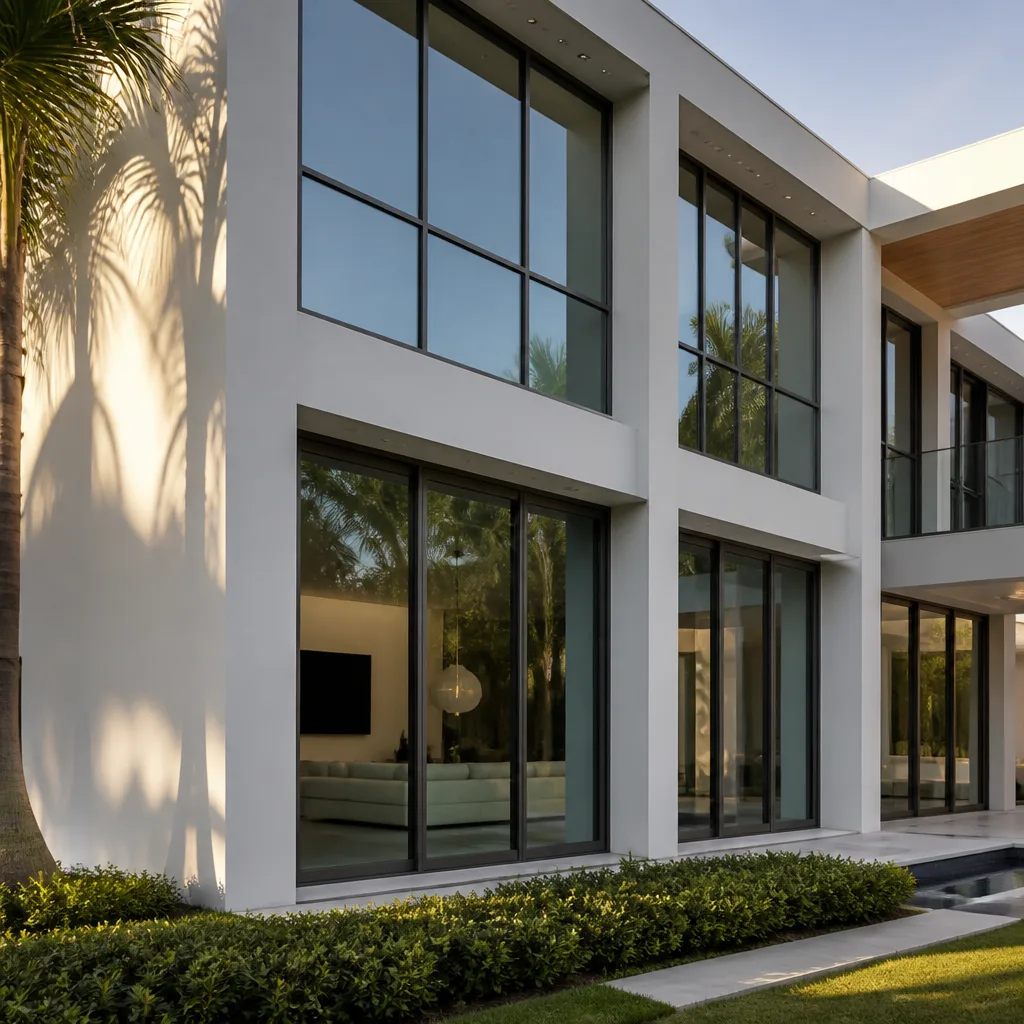
The City of Doral Building Department conducts inspections at specific project phases. Understanding what happens at each stage helps homeowners verify work quality and anticipate potential delays.
Rough-In Inspection
For window and door installations, the rough-in inspection typically occurs after the old product is removed, the opening is prepared, and the new product is set in place but before interior and exterior finishes are complete. The inspector needs to see the structural connections and weather barrier.
What the inspector checks:
- Product label or stamp matching the permitted manufacturer and model
- Fastener type, size, and spacing against the NOA specification
- Fastener embedment into structural framing (not just sheathing)
- Shim placement and material (non-compressible shims required at structural points)
- Flashing integration with the wall weather barrier
- Sealant bead continuity and product specification
- Opening dimensions against the permit drawings
- Egress compliance for bedroom windows (minimum opening area and sill height)
Common rough-in failures in Doral:
- Fasteners driven into foam sheathing without structural backing
- NOA-specified sealant substituted with generic silicone
- Impact-rated label missing or illegible (labels must remain visible per FBC)
- Shims omitted or compressible wood shims used where non-compressible is required
A failed rough-in requires correction and re-inspection. The City of Doral charges a re-inspection fee, typically $75 to $150 per visit. Some contractors absorb this; others bill the homeowner. At Sightline, we do not proceed to finish work until rough-in passes, because covering a failed installation with trim makes correction exponentially more expensive.
Final Inspection
The final inspection occurs after all finish work is complete, including interior trim, exterior cladding repair, and paint or sealant cure. The inspector verifies:
- All rough-in corrections completed
- Product operation (open, close, lock)
- Visible label preservation
- Interior and exterior finish quality (no exposed fasteners, proper caulk joints)
- Egress operation (windows must open without tools, force within code limits)
- Energy compliance documentation (NFRC label with U-factor and SHGC values)
For impact-rated products, the inspector confirms the installed glazing matches the NOA - laminated glass has a distinct edge appearance. We’ve seen installations where the contractor substituted non-impact glass after rough-in to reduce cost; final inspection catches this if the inspector checks, but not all inspectors do on every opening.
Special inspections
Some Doral projects trigger additional inspections:
- Third-party structural inspection when opening dimensions change by more than 10%
- Impact verification by special inspector for high-value or commercial-equivalent residential projects
- Energy compliance verification for whole-house replacement projects seeking performance path credits
Our documented photo record includes images of each inspection stage, the inspector’s sign-off sheet, and any correction notices. The customer receives these with the final invoice under Haven Clause 4.
How to Confirm Your Permit Is Fully Closed
This is the step most homeowners skip, and it is the step that costs them at closing.
Step-by-step: Verifying permit status in Miami-Dade
- Obtain the permit number from your contractor. It should be on the permit card posted at the job site and on the invoice.
- Visit the Miami-Dade County Building Department online portal at miamidade.gov/building/permits
- Select “Search Permits” and enter the permit number
- Review the permit status field. “Issued” or “In Progress” means open. “Finaled” or “Closed” means complete.
- Click “Inspection History” to verify all required inspections show “Pass” or “Approved”
- Check for any “Correction Required” or “Fail” entries that were subsequently resolved
- Download or screenshot the final status page for your records
Red flags that indicate a permit is not actually closed:
- Status shows “Expired” - permits expire if work does not commence within 180 days of issuance or if inspections are not requested within 180 days of the last approved inspection
- Status shows “Suspended” - typically indicates unresolved corrections or stop-work order
- Final inspection shows “Scheduled” but no result - the inspector may not have visited, or the result was never entered
- Missing inspection types - if the permit required rough-in, final, and impact verification, all three must show pass
What to do if the permit is open
Contact the contractor in writing (email creates a record) requesting immediate scheduling of outstanding inspections. If the contractor is unresponsive or out of business, contact the City of Doral Building Department directly. You may need to hire a new contractor to expose the installation for re-inspection, which is why we recommend verifying closure within 30 days of job completion, not at sale time.
At Sightline, we provide the permit closure screenshot with the final packet. Haven Clause 5 (No surprises) means the customer does not discover an open permit years later. We also note that our door installation in Doral and window projects include this verification as standard, not as an add-on service.
Doral-Specific Considerations: Neighborhoods, Climate, and Code Enforcement
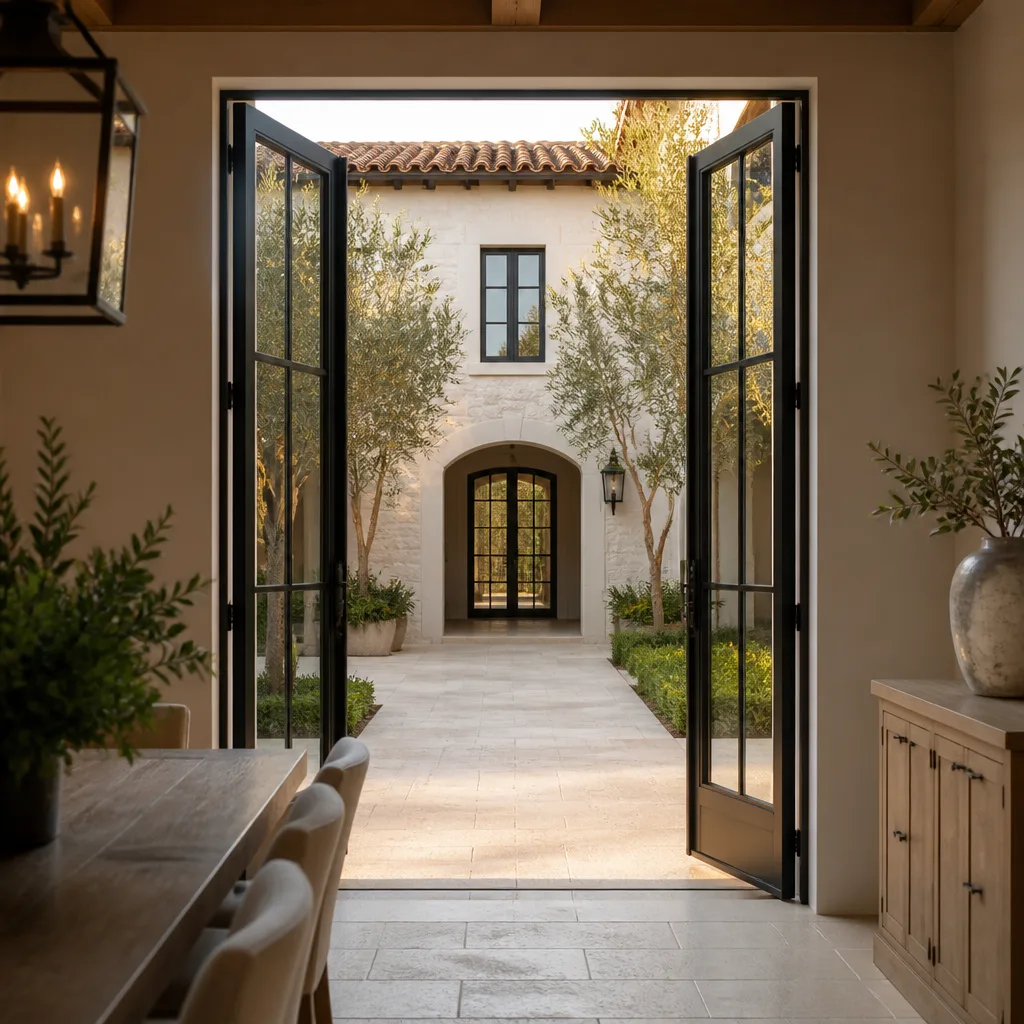
Doral’s rapid development since 2000 has created a patchwork of construction eras and code regimes within a few square miles. Understanding where your home falls in this timeline affects your permit requirements.
Construction era and code applicability
Homes built before 1992 in Doral (relatively few) predate the Miami-Dade HVHZ amendments that followed Hurricane Andrew. These installations may have no NOA documentation at all. Replacement requires full permitting with HVHZ-compliant products.
Homes built 1992-2010 typically have impact-rated products but may predate current NOA fastener schedules. The “like-for-like” exemption is rarely applicable because the existing installation cannot be matched to a current, active NOA.
Homes built 2010-2020 may have FPA-approved products that are not Miami-Dade NOA-equivalent. Replacement requires verification: does the existing product have HVHZ approval or only statewide FPA?
Homes built 2020-present should have full HVHZ documentation. Replacement is more likely to qualify for streamlined permitting if the product is identical and the NOA is still active.
Neighborhood-specific factors
In Downtown Doral and Doral Isles, master association requirements add a layer. The association may require architectural review and specific product aesthetic standards (frame color, grille pattern, operation type) that do not override code but may limit product selection. We coordinate with association managers to ensure the permitted product also meets covenant requirements.
In older neighborhoods near Northwest 36th Street and the original Doral golf course properties, we’ve found original aluminum windows with no thermal break and single-pane glazing. These cannot be replaced with the same product because current FBC energy standards prohibit single-pane in new installations. A permit is mandatory, and the product upgrade triggers energy compliance documentation.
Climate and installation timing
Doral’s wet season (May through October) affects installation scheduling and inspection timing. The City of Doral does not conduct exterior inspections during active lightning or sustained winds above 25 mph. This can delay rough-in and final inspections by days. We schedule installations with weather contingency and do not promise inspection dates we cannot control.
The combination of high humidity and salt air in Doral, even inland, accelerates fastener corrosion. The NOA-specified stainless steel or hot-dip galvanized fasteners are not optional; standard zinc-coated screws fail prematurely. We’ve documented fastener corrosion in 7-year-old installations where the contractor substituted non-specified fasteners. The photo record in our Haven Standard documentation shows what was installed, so there is no dispute at warranty time.
Common Mistakes to Avoid
- Accepting “permit included” without seeing the permit card. The permit card must be posted at the job site before work begins. If the contractor says the permit is “in process” but cannot show the issued card, work should not start.
- Assuming like-for-like exemption without verifying the existing installation’s NOA status. In Doral’s HVHZ, most exemptions do not apply because the existing product lacks current documentation.
- Paying in full before final inspection passes. A contractor with full payment has reduced incentive to schedule and pass final inspection. Structure payments with inspection milestones.
- Relying on contractor verbal confirmation of permit closure. Verify yourself in the Miami-Dade database. We have seen contractors claim closure when the permit shows “In Progress.”
- Ignoring product label requirements. FBC requires impact-rated labels to remain visible. Painting over or removing labels can cause final inspection failure and voids warranty documentation.
- Selecting product based on price without NOA verification. A lower-priced window may lack HVHZ approval for your specific opening size or wall construction. Verify the NOA before signing the quote.
- Failing to document the existing condition. Before-and-after photos protect both parties. Our Haven Standard includes pre-installation documentation of surrounding finishes, which has resolved disputes about whether damage existed before our work.
When to Call a Professional
Call a licensed, insured contractor when any of the following apply: your home is in Miami-Dade’s High-Velocity Hurricane Zone (all of Doral); the existing windows or doors lack visible impact-rated labels; you are changing product type, size, or operation; your home was built before 2010 and has no permit documentation; or you are preparing to sell and need to verify permit status for disclosure. Read DIY vs Professional Windows & Doors: The Doral Homeowner’s Decision Guide before deciding to handle any work yourself.
Sightline Windows & Doors Doral offers free estimates in Doral - call (786) 460-1563. Every estimate includes a measured survey you keep, written pricing that matches that document, and specification of the exact NOA for each product. Explore more guides & resources on our blog for additional homeowner information. We do not provide verbal quotes or “ballpark” figures that change at installation. Our background-checked, uniformed technicians carry license numbers and arrive on schedule under Haven Clause 2. The 365-Day Done Right Promise applies to every installation, with a documented photo record as evidence.
Frequently Asked Questions
Permit fees in the City of Doral are calculated based on project valuation, with a base administrative fee plus a percentage of the estimated construction value. For a typical residential window replacement project of $8,000 to $15,000, expect permit fees of $350 to $700, plus plan review fees if engineering drawings are required. Impact-resistant product verification may add $150 to $300 for third-party inspection. Call (786) 460-1563 for an exact quote on your specific project - estimates are free.
No. At Sightline, the written quote from the measured survey is the final invoice amount. Haven Clause 1 means the price is fixed before any work begins. The only exception is if concealed damage is found after product removal - rotted framing, for example - and in that case, we document the condition, provide a written change order with specific scope and price, and obtain your signature before proceeding. No surprises.
We pull all permits as part of our standard process. The permit is issued in our name as the contractor of record, which makes us responsible for code compliance and inspection scheduling. You receive copies of all permit documents and can verify status independently at any time. We do not ask homeowners to pull permits themselves.
Permit issuance typically takes 5 to 10 business days for straightforward residential window and door replacements in Doral, assuming complete documentation and no plan review delays. Rough-in inspection is scheduled after installation begins, usually within 2 to 5 business days of request. Final inspection follows completion, with similar scheduling. Total timeline from permit application to closure is typically 3 to 6 weeks for a standard project. Complex projects with structural modifications or special inspections may extend to 8 to 12 weeks.
The inspector issues a correction notice specifying the deficiency. We correct the item, document the correction with photos, and schedule re-inspection. Re-inspection fees are our responsibility if the failure resulted from our error. If the failure resulted from a product substitution requested by the homeowner against our recommendation, the fee is billed to the homeowner. We do not cover failed installations with finish work to avoid inspection.
For installations in Doral and all of Miami-Dade County, the product must have HVHZ equivalence. Some Florida Product Approvals include HVHZ compliance; many do not. The FPA database indicates HVHZ status, but we verify directly with the Miami-Dade Product Control Division before specification. Using an FPA without HVHZ equivalence in Miami-Dade will result in permit denial or inspection failure. We specify only products with confirmed HVHZ approval for Doral installations.
Keep the following permanently: the final permit closure verification from the Miami-Dade database; the NOA for each product installed; the manufacturer’s warranty; our written quote and final invoice; and the documented photo record of installation. These documents transfer with the property and protect you at sale. We provide all of these in a physical and digital packet at job completion.
The Bottom Line
Florida’s three-layer approval system - Florida Building Code, Miami-Dade HVHZ product certification, and municipal inspection - exists to protect homeowners from the consequences of substandard installation in a high-wind, high-humidity climate. The gaps between these layers become your liability when a contractor delivers incomplete documentation. Verify the NOA yourself. Confirm the permit closure in the database yourself. Demand written pricing before work starts and a documented record when it finishes. These steps are not excessive; they are the minimum due diligence for a purchase that affects your home’s safety, energy efficiency, and marketability.
Written by Sonia Raman, Owner at Sightline Windows & Doors Doral, serving Doral since 2012.