
Last updated September 24, 2026
Free in-home measure and quote - PGT, CGI and CWS impact lines compared on your actual openings, style by style
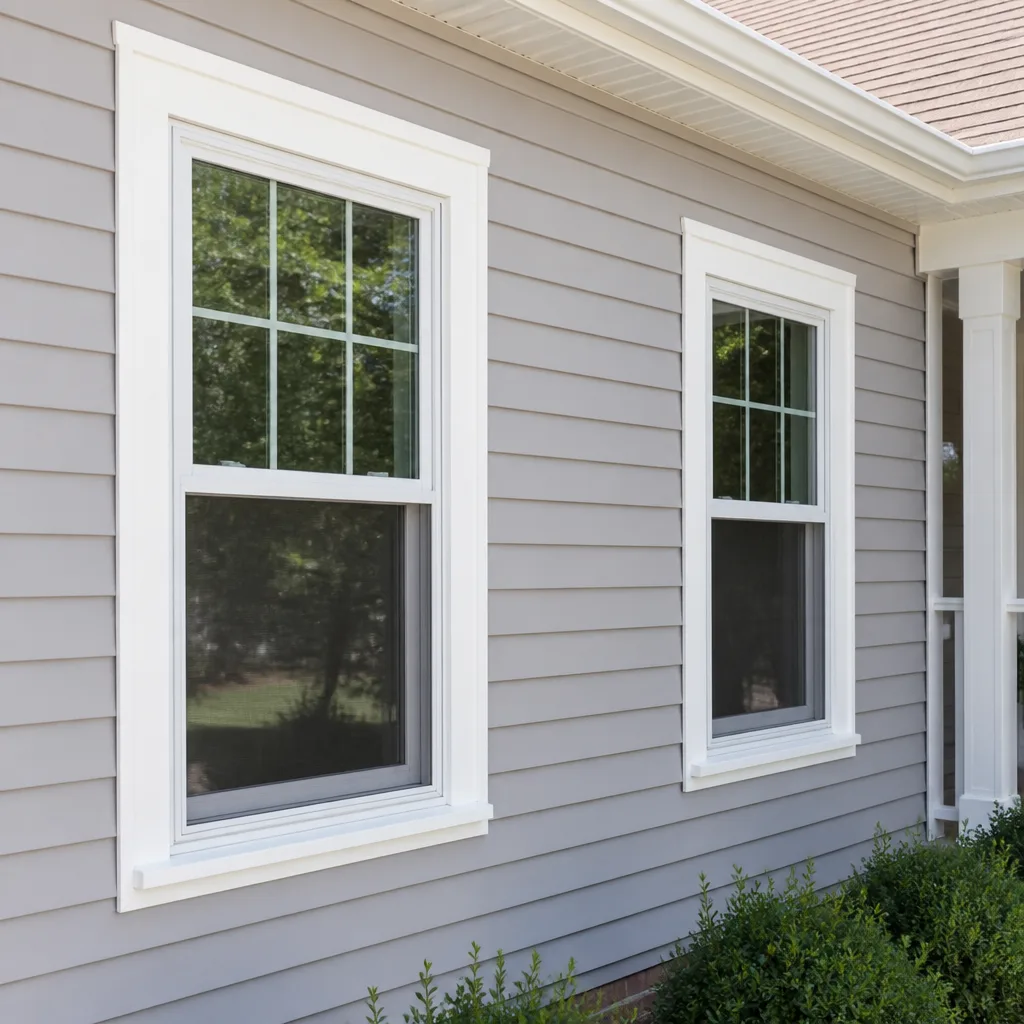
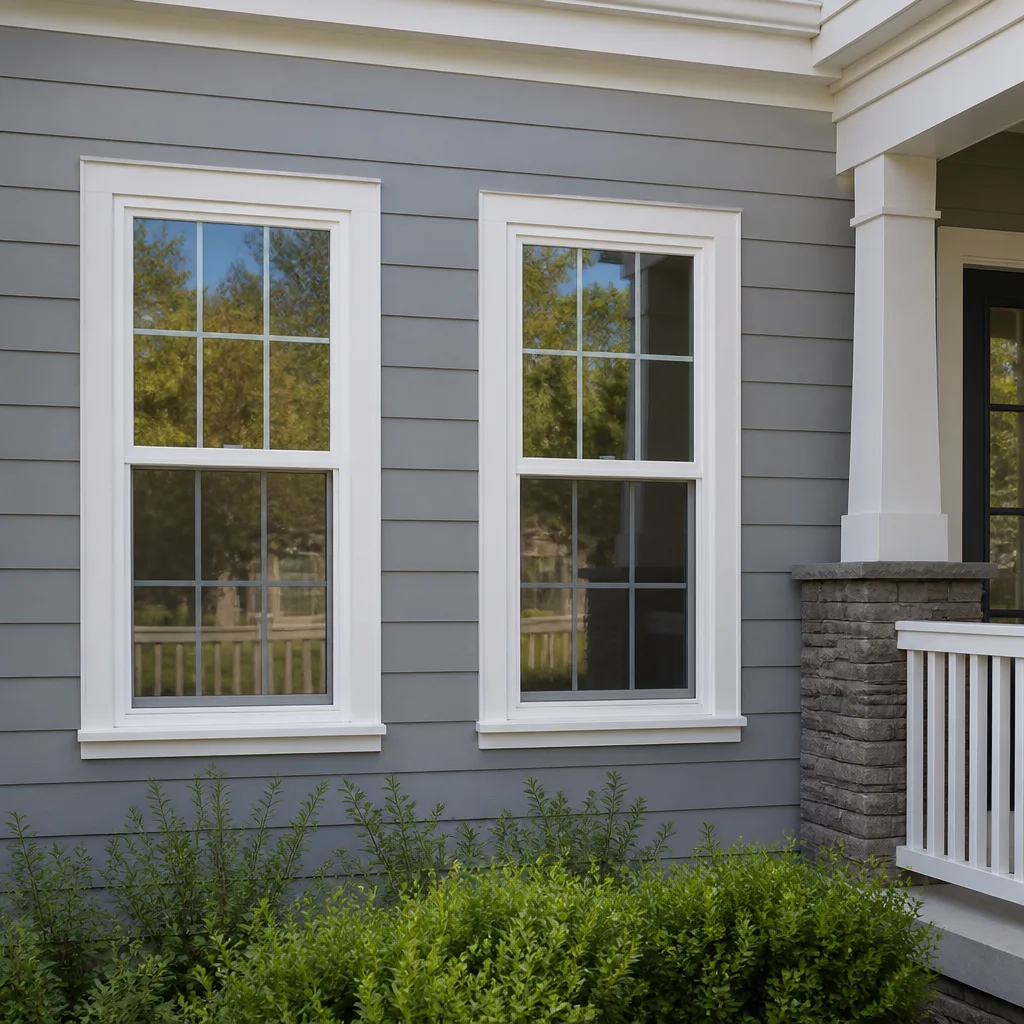
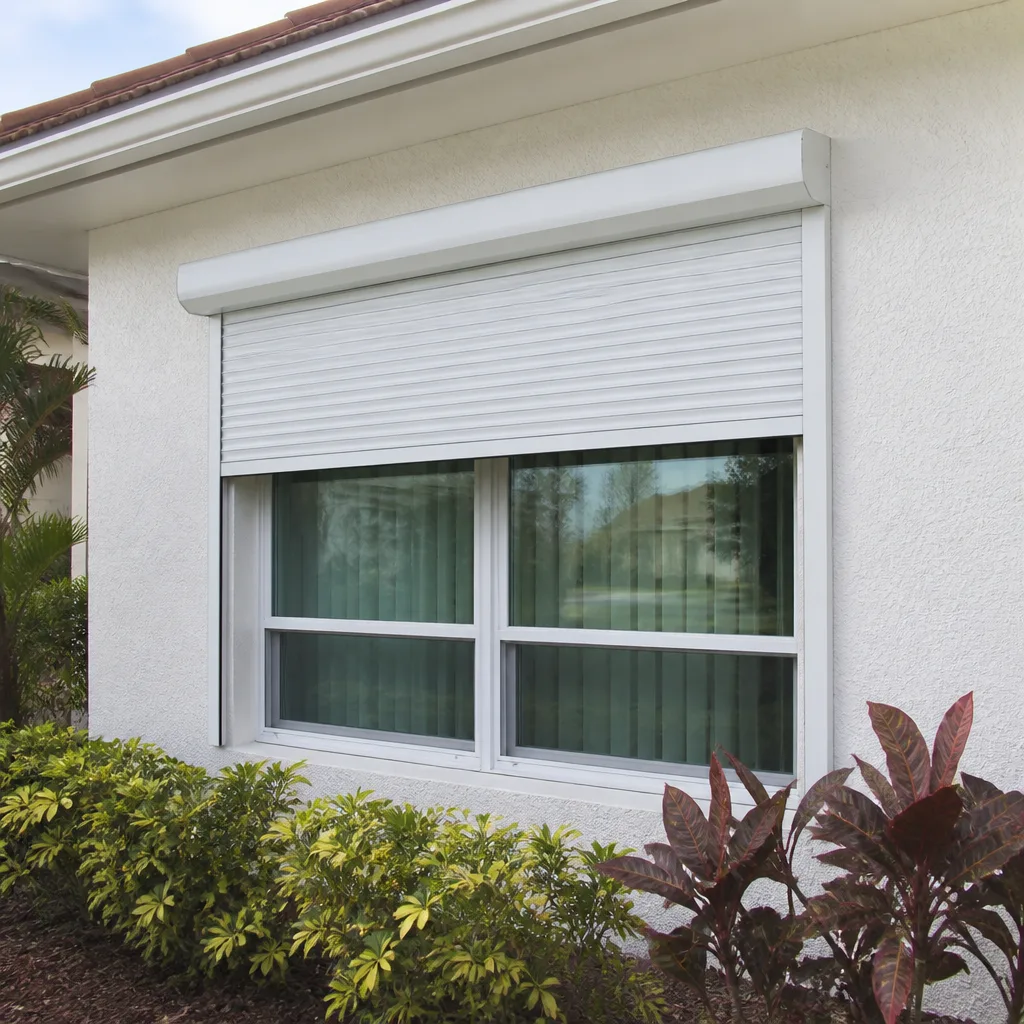
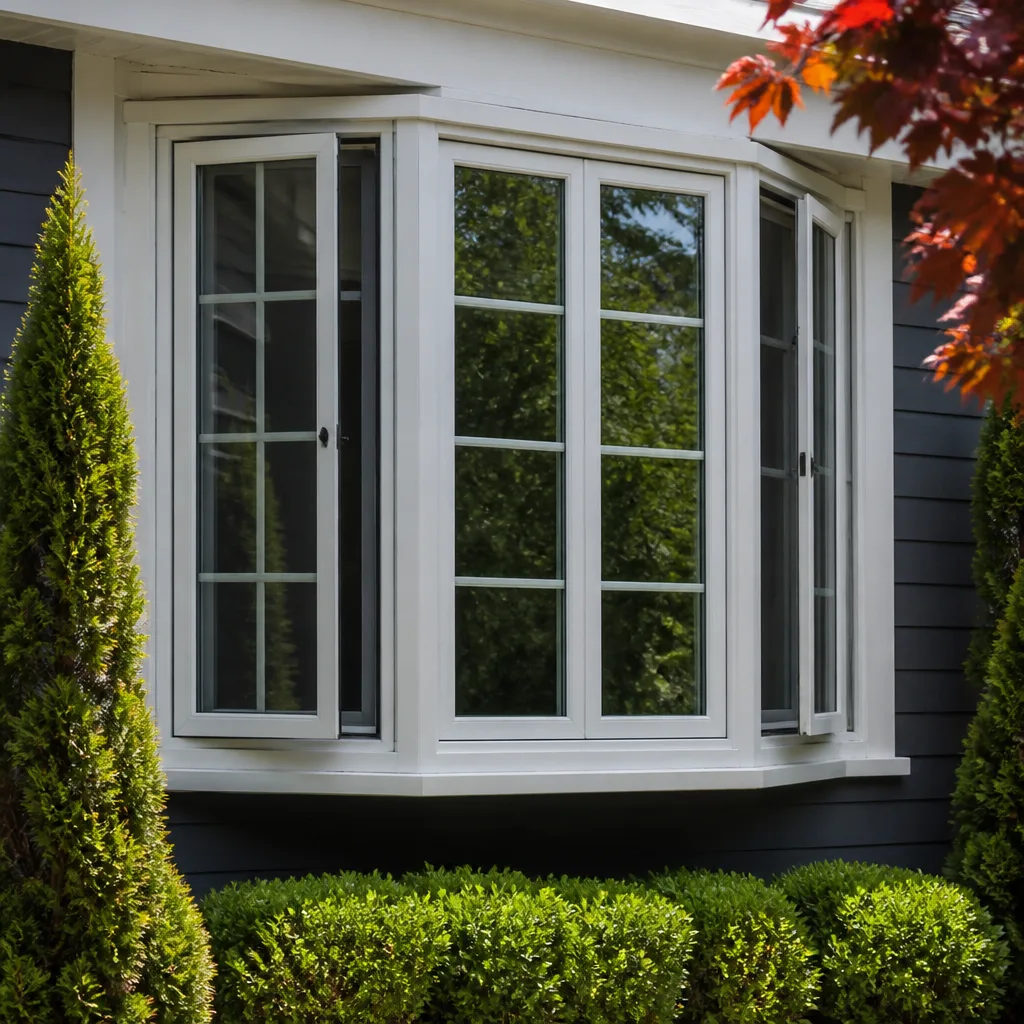
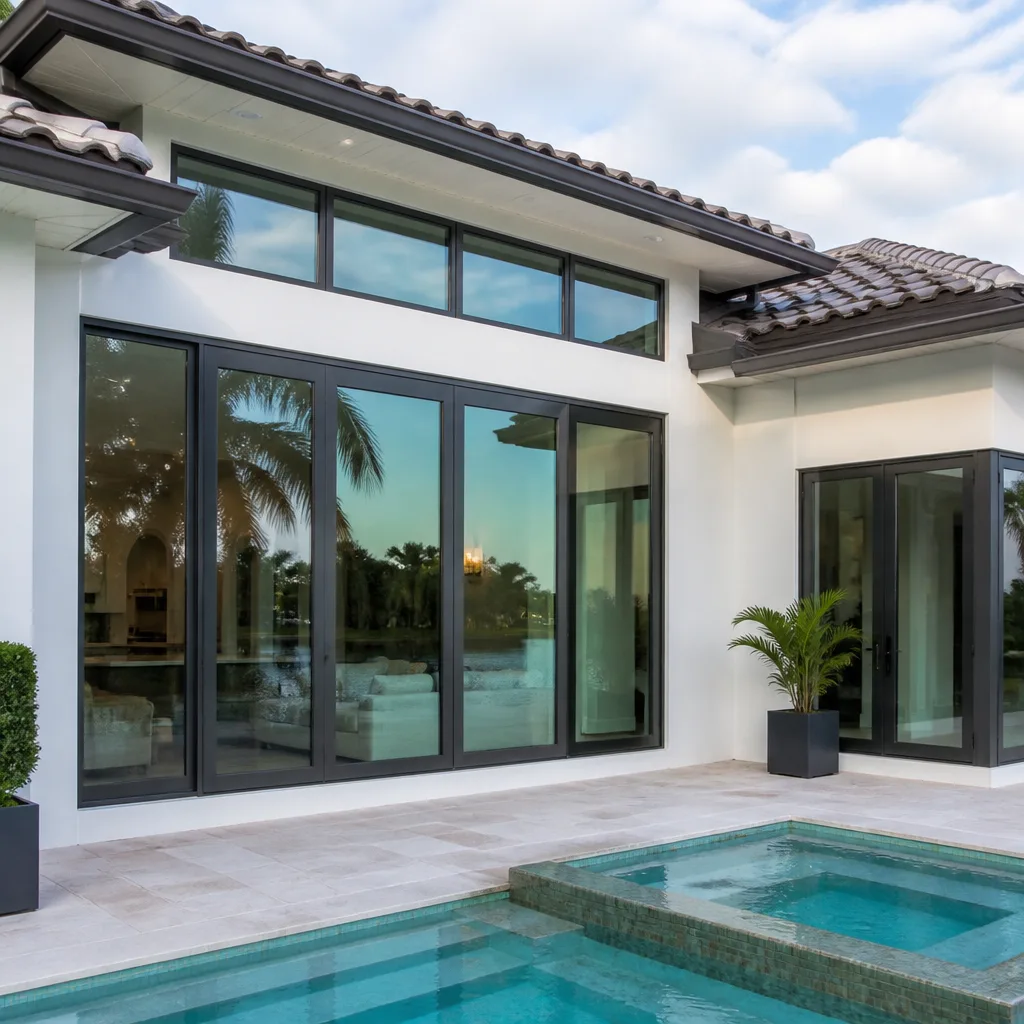
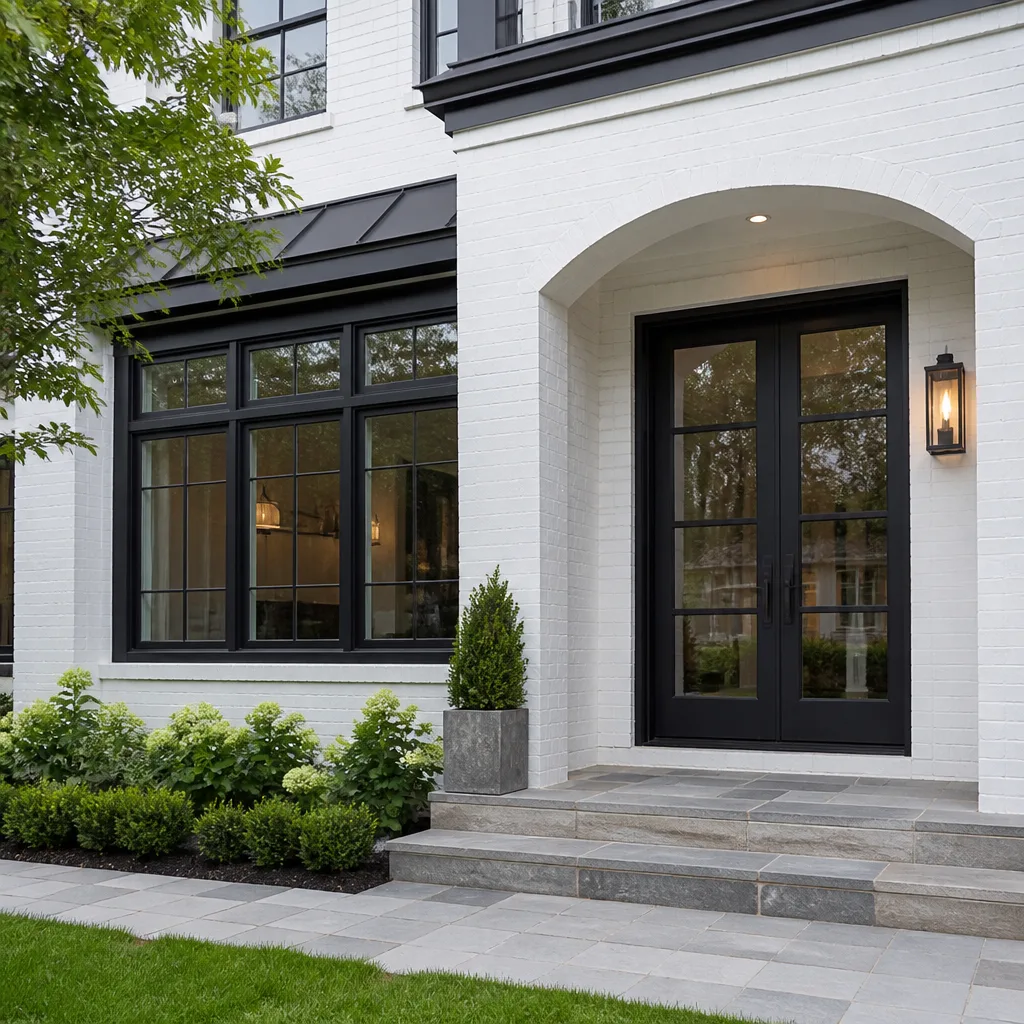
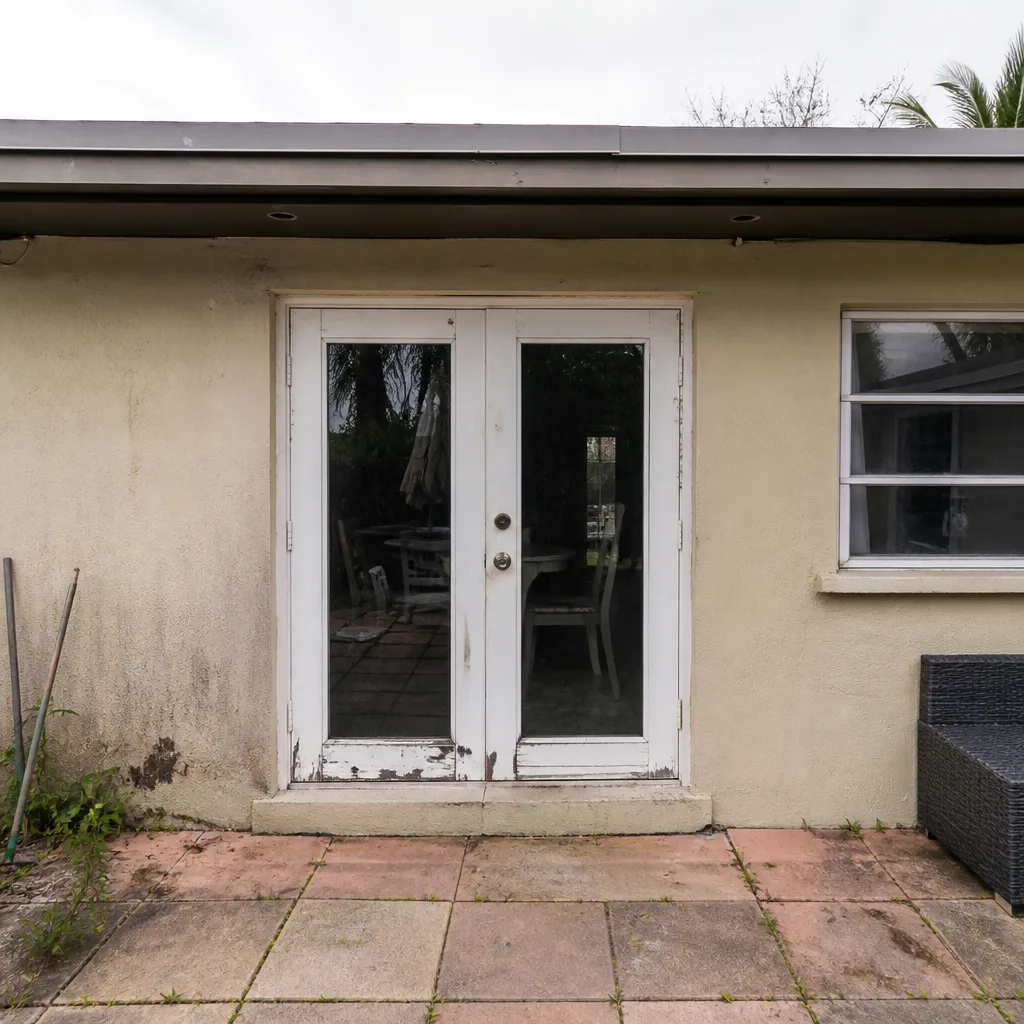 Before
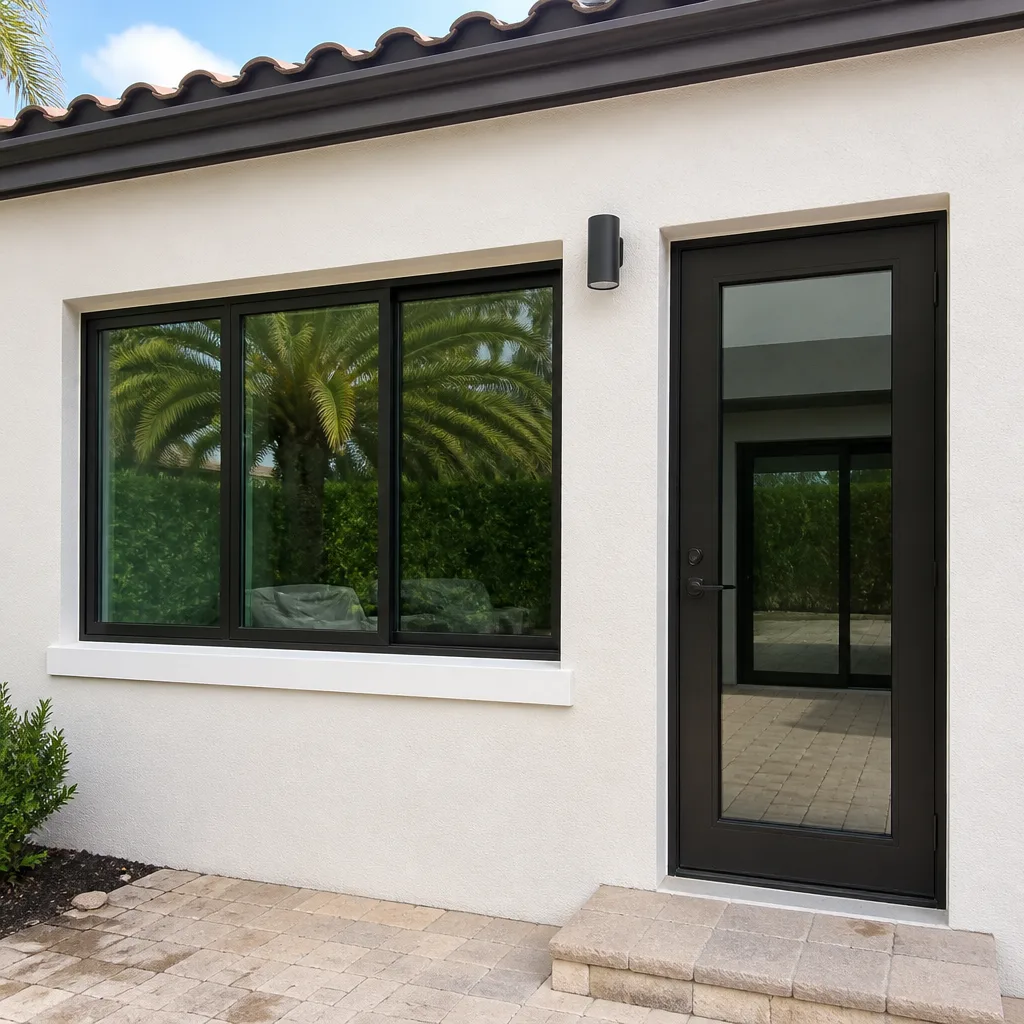 After
After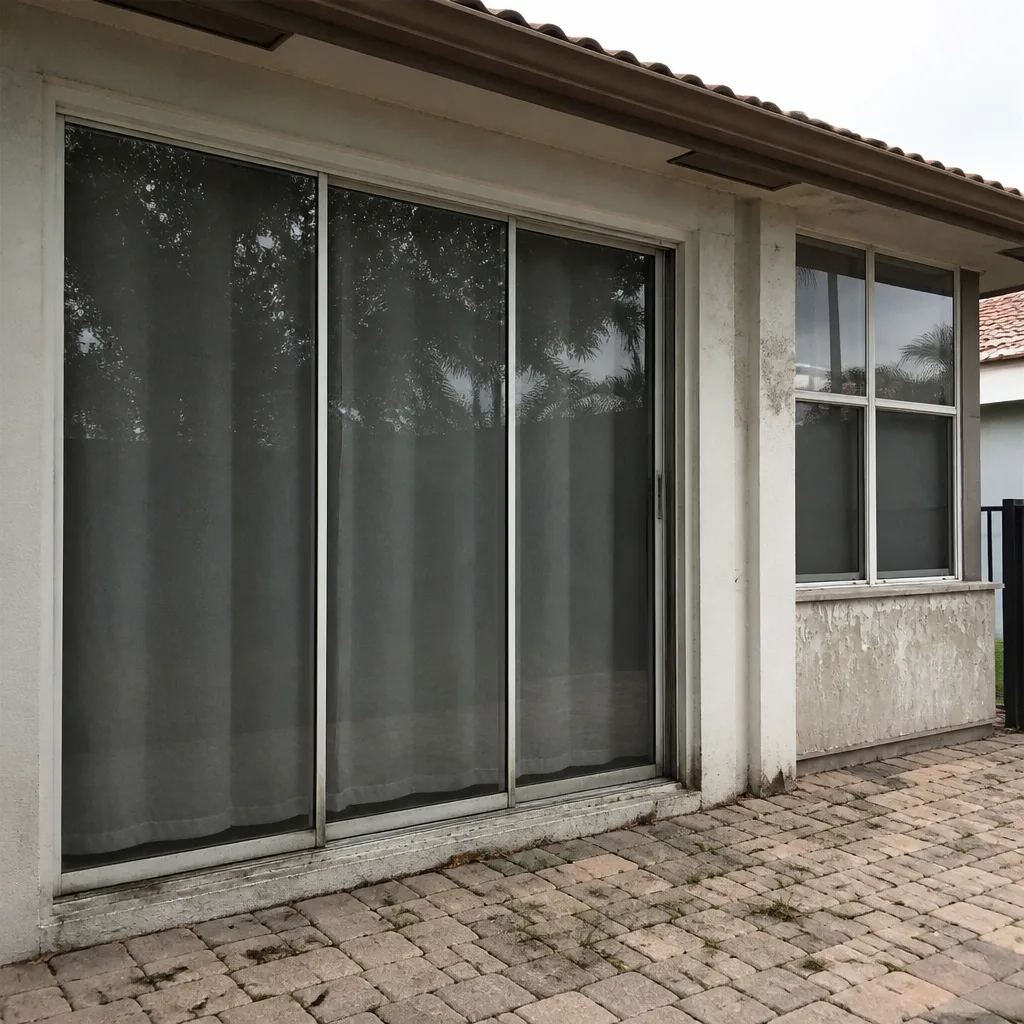 Before
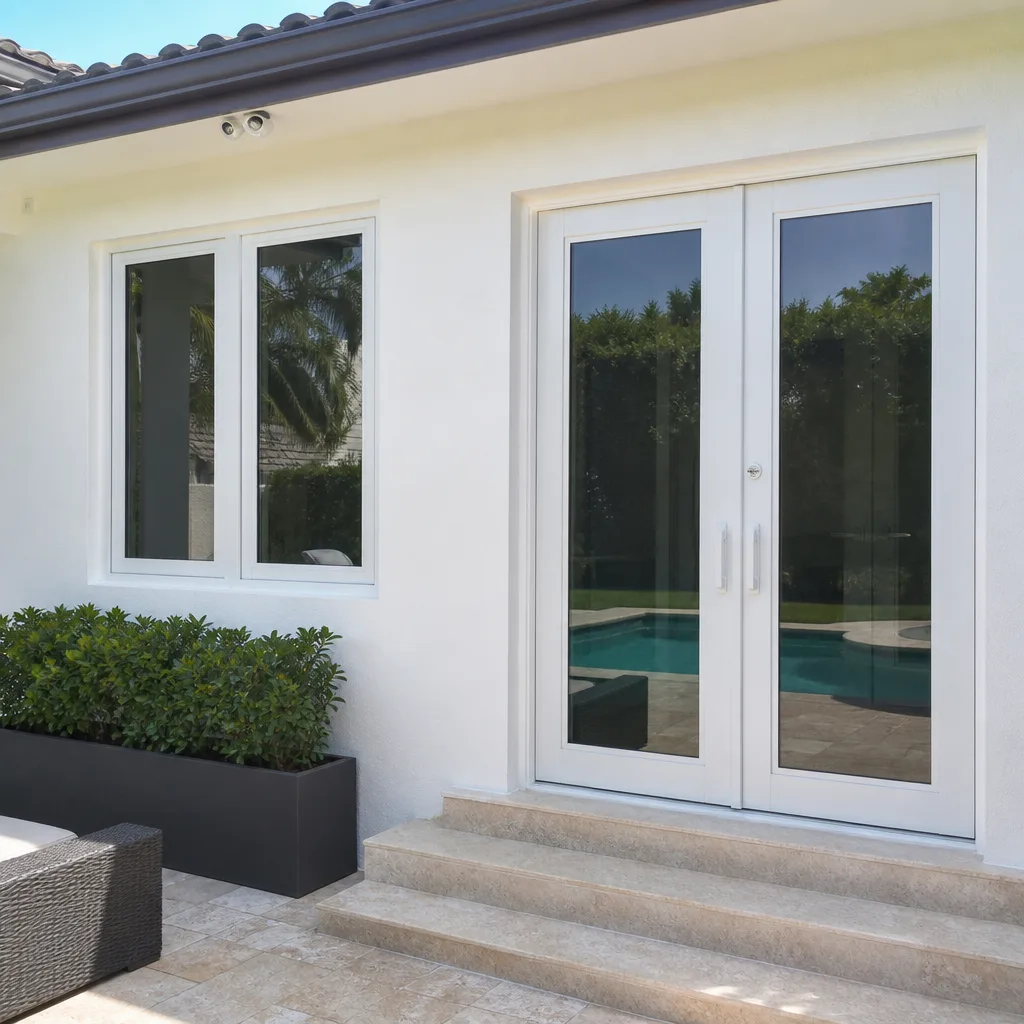 After
After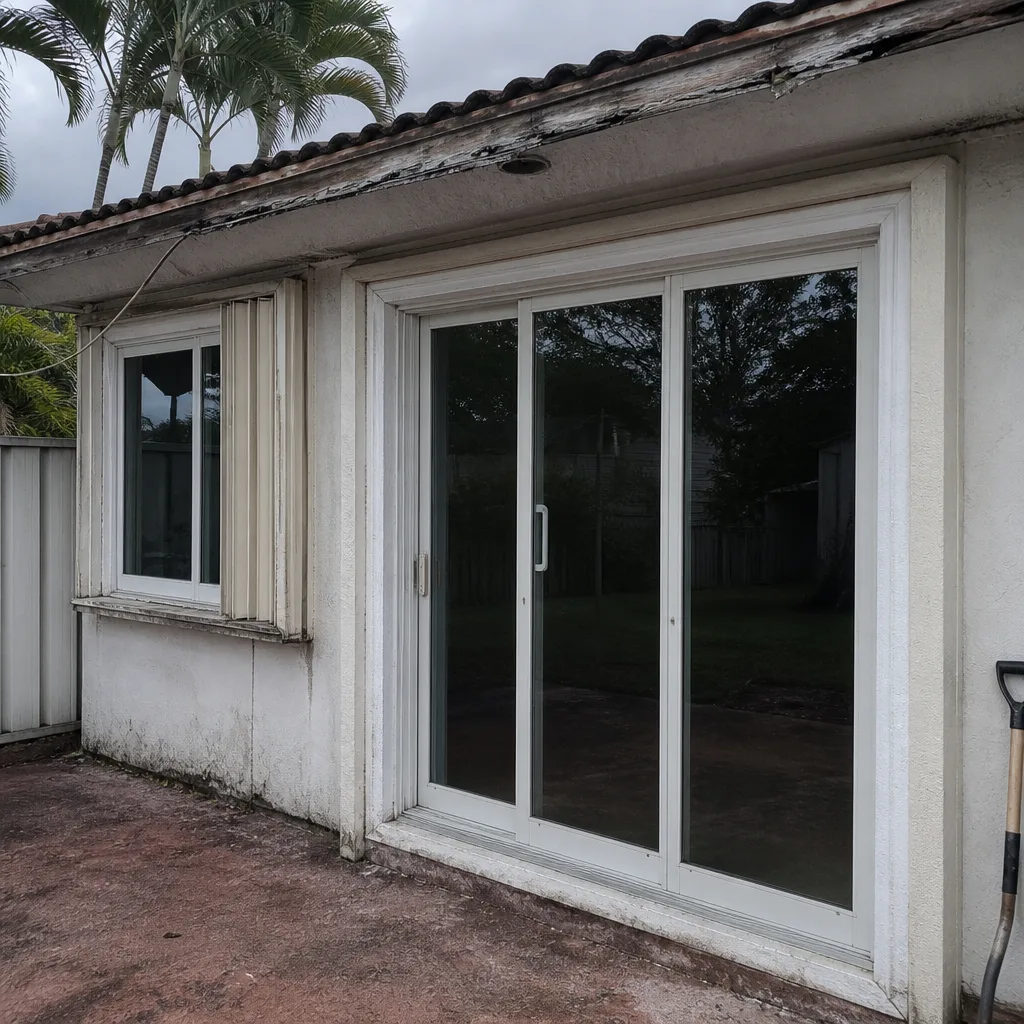 Before
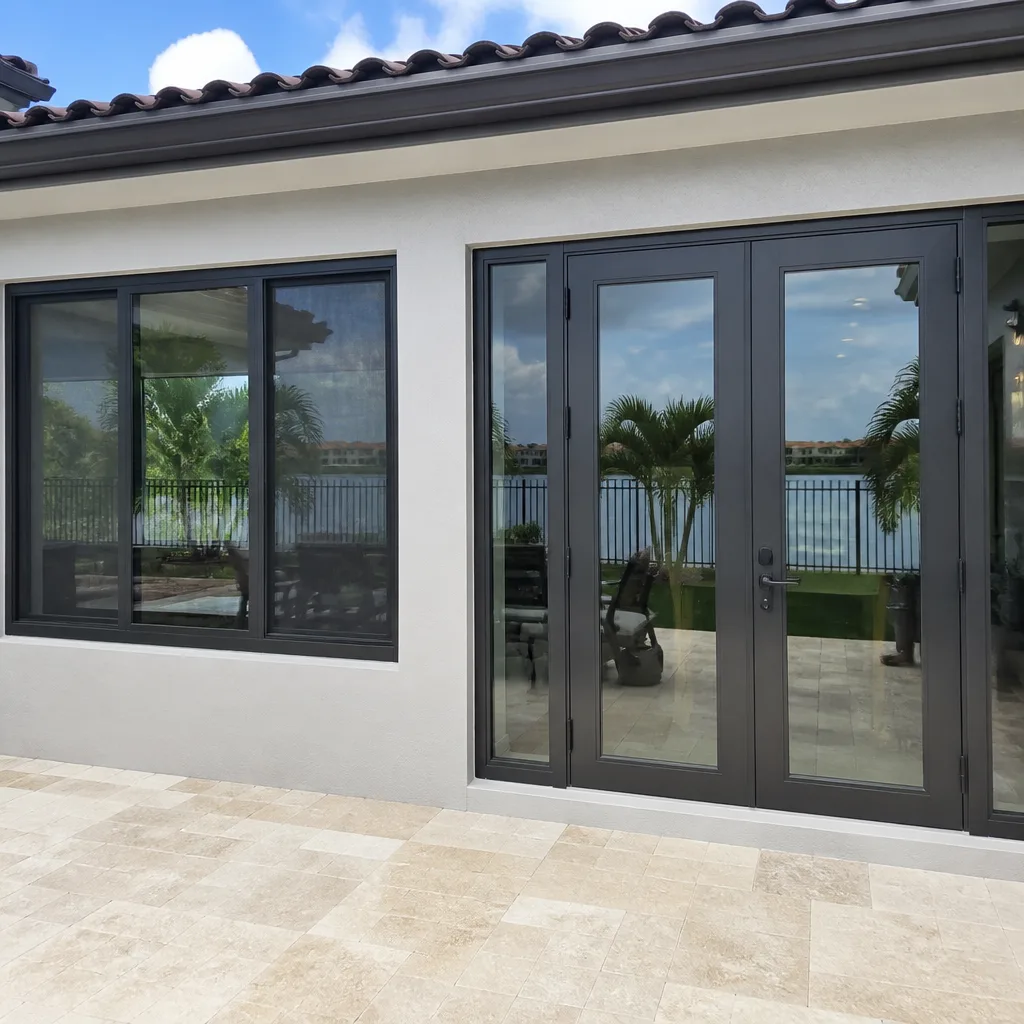 After
AfterWindow Installation Maintenance Checklist for Doral Homeowners
Weep holes - the small drainage slots at the bottom of impact window frames - account for more water-intrusion callbacks in South Florida than any other single maintenance failure, yet they appear on almost no homeowner checklist. In Doral, where UV intensity regularly exceeds 1,000 W/m² and salt-laden humidity lingers between afternoon storms, windows degrade differently than they do anywhere north of Lake Okeechobee. This guide organizes maintenance by those two stressors, not by calendar season, and gives you a 12-point inspection system you can document yourself.
Quick Answer
Window maintenance in Doral requires quarterly inspection of weep holes, glazing tape, and sill pan drainage on impact-rated frames, plus annual hardware lubrication with silicone-based products compatible with EPDM seals. Most tasks are owner-serviceable, but frame sealant replacement, glass delamination checks after storms, and any work involving the structural flange must be performed by a licensed contractor offering Window Installation services to preserve manufacturer warranties from lines like ECO Window Systems and Mr-Glass.
Table of Contents
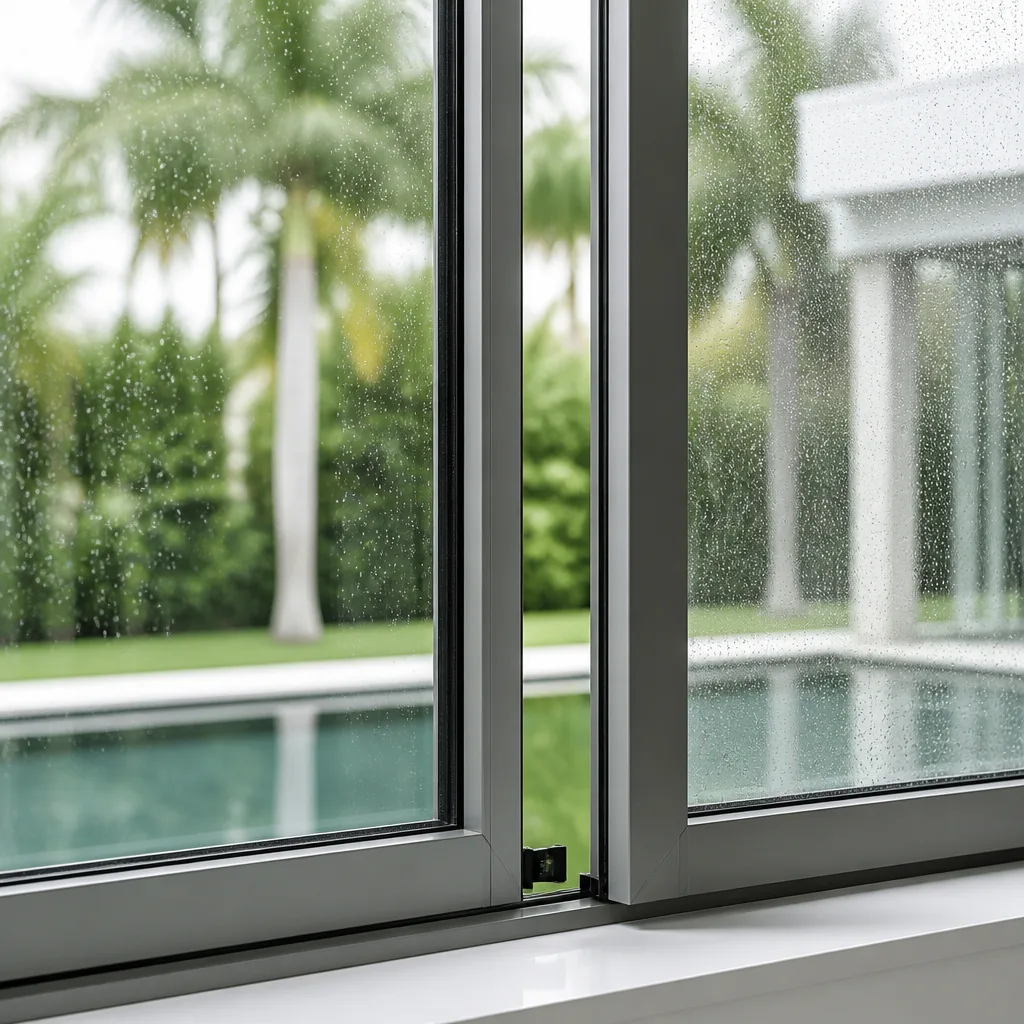
- The UV Stressor: What Sustained Solar Exposure Does to Doral Windows
- The Humidity Stressor: Salt, Condensation, and What Never Fully Dries
- The 12-Point Inspection Checklist for Impact-Rated Frames
- Owner-Serviceable Maintenance vs. Warranty-Voiding Work
- Lubricants and Sealants: Compatible Products and Common Hardware-Store Mistakes
- Post-Hurricane Inspection: Frame Racking and Glass Delamination
- Building Your Photo Record: A Documentation Template
- Common Mistakes to Avoid
- When to Call a Professional
- Frequently Asked Questions
- The Bottom Line
 Before
 After
AfterThe UV Stressor: What Sustained Solar Exposure Does to Doral Windows
Doral sits at 25.8 degrees north latitude. Solar irradiance here peaks above 1,000 W/m² for more than six months annually, and that radiation degrades window components faster than most homeowners expect. The damage is not dramatic. It is cumulative, measurable, and often invisible until a failure occurs.
On vinyl frames, UV-B radiation breaks down the titanium dioxide UV inhibitors that manufacturers blend into the PVC compound. After roughly five to seven years of Doral exposure, unprotected vinyl begins to chalk. The surface turns matte, then powdery. This is not cosmetic. Chalking indicates that the outer skin has lost its plasticizers, and the frame is becoming brittle. Once a vinyl frame cracks at a corner weld, the structural integrity of the sash is compromised. We have measured frame deflection on chalked vinyl units that exceeded 3 millimeters under design wind load - enough to break the glazing tape seal.
Anodized aluminum fares better, but the anodized layer is not permanent. Salt-laden humidity accelerates the galvanic corrosion that begins at any scratch or mounting-point breach. In Doral’s western neighborhoods, particularly near the Blue Lagoon and Waterford areas where fill soils shift more than the limestone bedrock to the east, frame racking from building settlement exposes fresh aluminum surface. The UV then attacks any organic sealant at those gaps.
Glazing systems absorb UV too. The interlayer in laminated impact glass - the PVB or ionoplast that holds shards in place during a storm - yellows with prolonged exposure. This is normal to a point. But when yellowing reaches a Delta E of 5 or greater, the interlayer has begun to degrade structurally. You cannot see this precisely without a colorimeter, but you can spot the early signs: a faint amber cast at the glass edge that is visible when you open the sash and view the lite from the side.
What to inspect quarterly:
- Frame surface: Run your finger along the exterior frame face. Chalking vinyl will leave white residue. Anodized aluminum should feel smooth; pitting indicates corrosion initiation.
- Glazing edge color: Open each sash and examine the glass edge from a low angle against a white background. Compare east-facing and north-facing units - the difference in UV dose will show.
- Sealant bead continuity: UV degrades the outer skin of polyurethane and silicone sealants first. Look for crazing (fine surface cracking) or loss of adhesion at the frame-to-wall joint.
The window installation in Doral that Sightline performs includes UV-stabilized sealants specified by manufacturer and exposure orientation. But maintenance is the homeowner’s responsibility, and the inspection points above are what we document in our photo record at handoff.
The Humidity Stressor: Salt, Condensation, and What Never Fully Dries
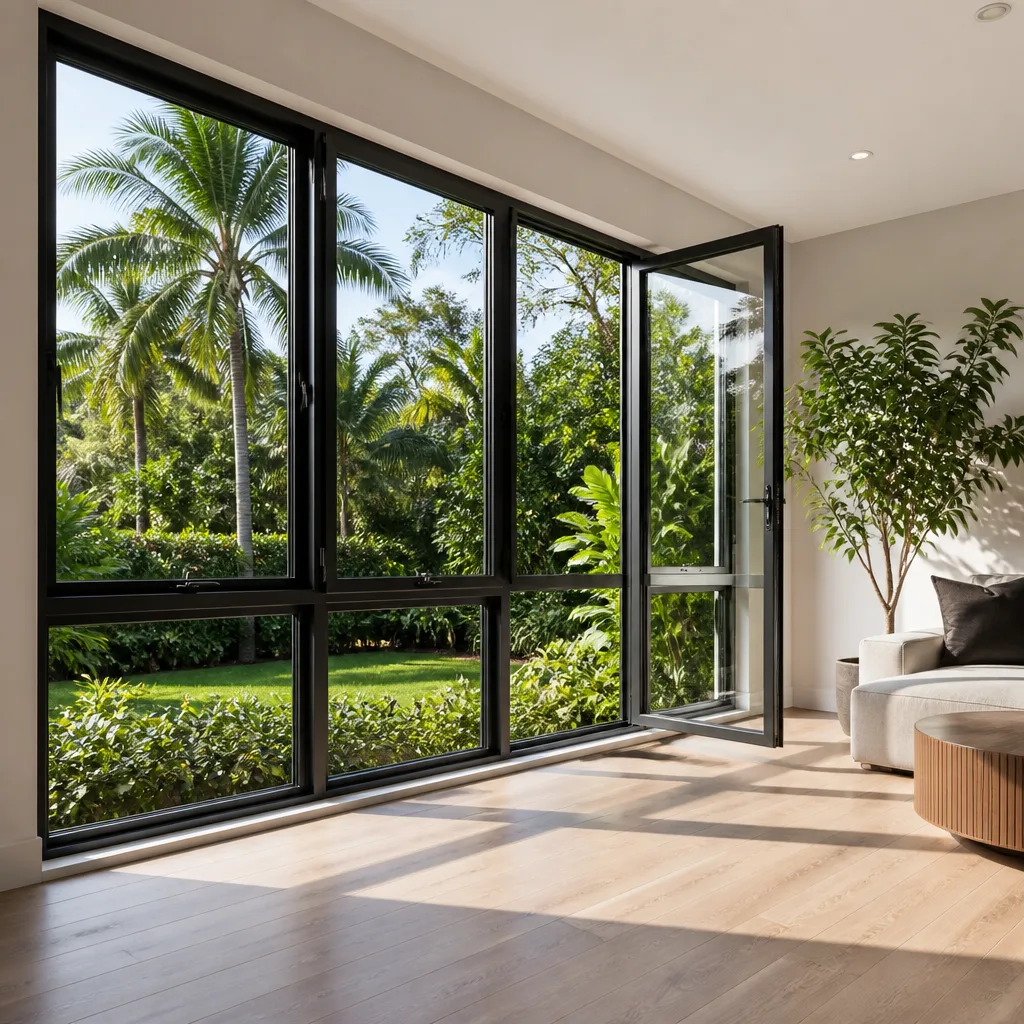
Doral’s relative humidity averages 72% annually and rarely drops below 60% even in January. The air carries salt from Biscayne Bay and the Everglades wetlands, and that salt deposits on every exterior surface. The problem is not the salt itself. It is that Doral’s humidity prevents complete drying between rain events, so salt remains in solution, actively corroding.
Impact-rated windows are tested to ASTM E1996 and TAS 201-203 for large-missile impact, but those tests assume clean, dry conditions. No certification test replicates 3,000 hours of salt-fog exposure combined with standing water in the sill pan. In practice, this is what we find:
Sill pan drainage failure. The sill pan is the formed aluminum or vinyl channel at the bottom of the frame, sloped to drain outward through weep holes. When weep holes clog with pollen, insect debris, or paint overspray from exterior maintenance, water stands in the pan. Salt in that water corrodes the sill pan’s finish, then the substrate. On units with integral fins (the nailing flange that ties the frame to the wall), standing water can wick into the rough opening. We have opened walls in Doral homes where the sill pan held water for months, rotting the pressure-treated sill plate to punk.
EPDM seal saturation. The bulb seals and pile weatherstripping that compress when a window closes are EPDM rubber or polypropylene. EPDM is excellent for UV and ozone resistance, but it is porous. In sustained humidity, EPDM absorbs moisture, swells, and loses compression set. A seal that should rebound to 80% of its original thickness within 30 seconds of release may take two minutes, or not rebound fully at all. The result is air infiltration that the homeowner feels as drafts, but the cause is seal saturation, not seal damage.
Condensation channel blockage. Modern impact windows have an internal condensation management system: small channels that drain any interior-surface condensation to the sill pan and out the weep holes. When these channels clog with dust or biological growth, condensation pools on the interior sill. Homeowners mistake this for seal failure. It is usually drainage failure.
What to inspect quarterly:
- Remove the insect screen and examine the weep holes at the exterior sill. They should be visibly open, not crusted with salt or debris. Use a pipe cleaner or weep hole tool - never a wire, which can damage the baffle.
- Close and latch the sash, then attempt to slide a dollar bill between the sash and frame at the lock side. Resistance should be uniform. If the bill slides freely at any point, the seal has lost compression.
- Check the interior sill after a cool morning. Any standing water indicates a condensation channel blockage, not a failed insulated glass unit.
The window replacement in Doral that we perform includes a measured survey of sill pan slope and weep hole placement, because new construction in neighborhoods like Doral Isles and San Michele sometimes has frames installed level instead of sloped outward - a defect that only shows up in the first heavy rain.
The 12-Point Inspection Checklist for Impact-Rated Frames
This checklist applies to both aluminum and vinyl impact-rated frames common in Doral. Perform it quarterly in March, June, September, and December - timed to precede the heaviest rain and hurricane seasons. Document each item with a dated photo.
| Item | What to Check | Pass/Fail Criteria | Tool Needed |
|---|---|---|---|
| 1. Weep holes | Exterior sill drainage slots | Visibly open; water drains within 30 seconds of pouring test | Pipe cleaner, water cup |
| 2. Sill pan slope | Interior sill to exterior weep hole | No standing water 10 minutes after rain or pour test | Level (should show outward slope) |
| 3. Glazing tape | Frame-to-glass perimeter seal | Continuous, no bubbles, no visible separation | Flashlight, inspection mirror |
| 4. Frame fasteners | Exposed screws at hinges, locks, operators | No corrosion, no looseness, original finish intact | #2 Phillips driver |
| 5. Hardware operation | Crank, lock, latch, roller | Smooth through full range; no binding or noise | None |
| 6. Weatherstrip compression | Dollar bill test at lock side | Uniform resistance; bill does not slide freely | Dollar bill |
| 7. Sealant bead, exterior | Frame-to-wall joint, full perimeter | No crazing, no gaps, adhesion to both surfaces | Probe tool (plastic) |
| 8. Sealant bead, interior | Frame-to-wall joint, full perimeter | Same as exterior; no gaps at header | Probe tool (plastic) |
| 9. Screen frame | Spline retention, frame corners | Mesh taut; spline not protruding; corners square | Spline roller if repair needed |
| 10. Glass condition | Visual inspection for cracks, chips, delamination | No damage visible at 3 feet; no edge fissures | Flashlight for edge inspection |
| 11. Operator arm (casement/awning) | Scissor or folding arm mechanism | No rust; lubricant present; no lateral play | Silicone spray if needed |
| 12. Documentation | Photo record with date stamp | All 11 items photographed; stored with home records | Smartphone, cloud storage |
The pouring test for Item 2: Slowly pour one cup of water onto the interior sill, near the glass. It should flow to the weep holes and exit within 30 seconds. If it pools, the sill pan is not sloped correctly or the weep holes are blocked internally. This is the test we perform on every Sightline Windows & Doors Doral home installation before we sign off.
Owner-Serviceable Maintenance vs. Warranty-Voiding Work

Manufacturer warranties for impact windows from lines like ViewLux and Therma-Tru specify that certain maintenance must be performed by the owner, while other work requires a licensed contractor. The distinction is not arbitrary. It tracks which work, if done incorrectly, compromises the structural or pressure-rated performance of the assembly.
Owner-serviceable tasks (will not void warranty if performed correctly):
- Weep hole clearing with appropriate tools
- Track and sill cleaning with mild detergent and water
- Hardware lubrication with manufacturer-specified products
- Weatherstrip cleaning (no solvents)
- Insect screen removal, cleaning, and reinstallation
- Visual sealant inspection and documentation of defects
Tasks that void warranty if performed without licensed contractor:
- Frame sealant removal or replacement - this is a pressure-barrier component; improper application voids the Miami-Dade NOA (Notice of Acceptance)
- Glass removal or reglazing - the laminated lite and its attachment to the frame are part of the impact rating
- Hardware replacement with non-OEM parts - hinge and lock components are tested as an assembly; substitutions invalidate the TAS 203 cyclic pressure certification
- Frame fastener removal or addition - the fastening pattern is engineered for wind load; any change requires structural review
- Sill pan modification or weep hole drilling - factory weep hole placement is calculated for water volume; additional holes can create pressure equalization failures during a storm
The Haven Standard’s Clause 1 - Have it in writing - applies here. If you are unsure whether a task is owner-serviceable, check your warranty document. If the document is unclear, the manufacturer will accept a written opinion from the installing contractor. We provide this at no charge for any window we install, and our Free Second Opinion on Any Written Estimate extends to warranty interpretation. For more guides & resources, visit our blog.
Lubricants and Sealants: Compatible Products and Common Hardware-Store Mistakes
The hardware store aisle is full of products that will degrade your windows. We have documented the damage. Here is what to use and what to avoid.
For EPDM seals and weatherstripping:
Use 100% silicone spray or silicone grease. The product must state “safe for rubber” or “EPDM-compatible.” We use Dow Corning Molykote 111 or equivalent for operator gears, and a dry silicone spray for track surfaces. The key property is that silicone does not swell EPDM; petroleum distillates do.
Avoid WD-40, 3-in-1 oil, or any lubricant containing mineral spirits, naptha, or petroleum distillates. These swell EPDM by 15-30% within 48 hours, permanently reducing compression set. We have replaced seals on three-year-old windows where the homeowner used WD-40 quarterly on the recommendation of a hardware store employee. The seals looked intact but no longer sealed.
For anodized aluminum frames and hardware:
Use a silicone-based or Teflon-based dry lubricant for sliding and hinge points. For cleaning, use a pH-neutral detergent (pH 6-8) and rinse thoroughly. Avoid bleach, ammonia, or acidic cleaners. Anodized aluminum is a controlled oxide layer; acids strip it, and alkalis etch it. In Doral’s salt air, stripped anodizing leads to pitting within one season.
For sealant touch-up (owner application at frame-wall joint only if specified in warranty):
Use only the sealant specified in your window’s Miami-Dade NOA or manufacturer installation instructions. Common specifications are Dow 795, GE SCS2000, or OSI Quad. These are neutral-cure silicones with UV stabilizers and +/- 50% joint movement capability. Avoid acrylic latex caulk (insufficient movement), polyurethane (incompatible with some anodized finishes), or “siliconized” acrylic (not silicone; poor UV resistance).
If you do not know what sealant was used originally, do not guess. Call the installer or manufacturer. The wrong sealant will fail cosmetically in months and structurally in a year. Under the Haven Standard, we stamp the sealant specification on the measured survey the customer keeps, so there is no ambiguity.
Post-Hurricane Inspection: Frame Racking and Glass Delamination
After any tropical storm or hurricane passage, inspect your windows within 72 hours. Some failures are not visible immediately. Wind pressure and impact loading can initiate damage that propagates over days.
Frame racking inspection:
Racking is differential displacement of the frame corners, turning a rectangular sash into a parallelogram. It indicates that wind load exceeded the frame’s stiffness or that the fastening system yielded. To check: measure the diagonal of each sash with a tape measure. The two diagonals should differ by no more than 1/8 inch on a standard 36-by-60 inch unit. Greater difference indicates racking.
Racked frames may still operate and may not leak immediately. But the glazing tape is under shear stress, and the seal will fail in the next pressure event. More critically, a racked frame has reduced capacity for the next storm. We have measured racking of 3/8 inch on frames that appeared normal to casual inspection. The homeowner noticed only that the sash was “a little harder to close.”
Glass delamination signs:
Delamination is separation of the glass lite from the PVB or ionoplast interlayer. It begins at the edge and propagates inward. Early signs, visible 48-72 hours after a storm:
- A cloudy or milky appearance at the glass perimeter, visible when you open the sash and view the edge from the side. This is moisture ingress at the delamination boundary.
- A “bullseye” or concentric ring pattern at any impact point, even if the glass surface is not cracked. The impact transmitted enough energy to debond the interlayer locally.
- An audible change when you tap the glass with a fingernail. A fully laminated lite produces a dull thud; a delaminated area produces a higher, sharper sound.
Delaminated impact glass has lost its primary safety function. In a subsequent storm, it will not contain shards. It must be replaced. Document any suspected delamination with dated photos from multiple angles, including a close-up of the edge and a wide shot showing the window location. This is the same documentation standard we apply to every door installation in Doral and window project we complete.
Building Your Photo Record: A Documentation Template
The Haven Standard’s Clause 4 - Evidence on every job - requires that we leave a documented photo record of every installation. You should maintain the same standard for your maintenance. A photo record protects your warranty, supports insurance claims, and establishes a baseline for detecting gradual degradation.
Minimum documentation per window:
- Wide shot: window in context, showing orientation (compass direction helps)
- Frame exterior: full perimeter, sealant bead, sill pan, weep holes
- Frame interior: hardware, weatherstrip, sill condition
- Glass edge: close-up from side angle, both vertical edges
- Operator mechanism: crank, arm, or slider track
Naming convention:
Use a consistent format: YYYY-MM-DD_Room_Direction_Item.jpg. Example: 2025-03-15_MasterBed_East_WeepHoles.jpg. This sorts chronologically and is searchable.
Storage:
Cloud storage with automatic backup. Local storage only is insufficient; hurricane damage can destroy both the window and the device holding the record. We recommend a dedicated album or folder per property, with subfolders by inspection date.
What to compare over time:
Load the current and prior inspection photos side by side. Look specifically at: sealant bead width and continuity (has it shrunk?), glazing edge color (has it yellowed?), frame surface texture (has it chalked or pitted?), and hardware finish (has corrosion begun?). These are the changes that predict failure before it occurs.
If you purchased your windows from Sightline, your original installation record is already documented to this standard. We can provide copies on request.
Common Mistakes to Avoid
- Using a pressure washer on window frames. The high-pressure stream drives water past seals, into weep holes, and behind the frame flange. We have traced interior drywall damage to a single pressure-washing event. Use a garden hose with a gentle spray nozzle, directed downward.
- Applying car wax to vinyl frames. Carnauba and synthetic waxes contain petroleum distillates that degrade vinyl’s UV-stabilized outer layer. The temporary shine accelerates chalking. For vinyl, clean only; do not polish.
- Ignoring weep hole baffles. Many Doral homeowners clear weep holes with a toothpick or wire, damaging the internal baffle that prevents wind-driven rain from entering. Use only a soft pipe cleaner or dedicated weep hole tool.
- Assuming impact glass cannot be damaged. Impact-rated glass is designed to resist large-missile impact, not repeated small-missile impact from landscape debris, golf balls in neighborhoods near courses, or pressure-washer gravel. Inspect for edge chips annually; they are stress concentrators.
- Waiting for visible water intrusion before acting. By the time you see interior water, the sill pan has been holding water for weeks or months, and the rough opening may be degraded. The quarterly inspection prevents this.
- Using bleach on anodized aluminum. Bleach (sodium hypochlorite) is alkaline and etches anodized finishes. In Doral’s salt air, etched aluminum corrodes rapidly. Use only pH-neutral cleaners.
- Neglecting documentation. Warranty claims and insurance disputes require dated evidence. “It looked fine last year” is not evidence. A photo from March 2024 showing intact sealant is.
When to Call a Professional
Call a licensed window contractor if you find frame racking exceeding 1/8 inch diagonal difference, glass delamination of any extent, sealant failure at the frame-wall joint, or water intrusion you cannot trace to a clogged weep hole. For related cost planning, see our Windows & Doors Cost Breakdown: The Doral Homeowner’s Reference for 2026. These conditions involve pressure-barrier or structural components that affect the window’s rated performance.
Also call if your windows are more than ten years old and have never been professionally inspected. The cumulative UV and humidity exposure in Doral means that some degradation is likely, and early intervention prevents wall-cavity damage.
Sightline Windows & Doors Doral offers free estimates in Doral. Call (786) 460-1563 to schedule a measured survey. We will inspect, document, and provide a written scope and price before any work is proposed. The Haven Standard applies: the measurement and the quote are the same document, and every visit leaves a photo record.
Frequently Asked Questions
Professional inspection and maintenance for a typical 2,500-square-foot Doral home with 15-20 window openings ranges from $280 to $450, depending on access difficulty and whether sealant touch-up is needed. This covers the 12-point checklist, hardware lubrication, weep hole clearing, and a written report with photo documentation. Call (786) 460-1563 for an exact quote - estimates are free.
Quarterly inspection is the minimum for Doral’s UV and humidity stressors. Perform the full 12-point checklist in March, June, September, and December. Add a post-hurricane inspection within 72 hours of any tropical storm or hurricane passage, even if no visible damage occurred.
No, if done with appropriate tools. Use a soft pipe cleaner or dedicated weep hole tool. Do not use wire, drill bits, or compressed air, which can damage the internal baffle or force debris into the sill pan. Check your warranty document for specific language; most manufacturers, including ECO Window Systems and Mr-Glass, explicitly permit owner cleaning.
Impact rating is void if the glass is cracked, the interlayer is delaminated, or the frame is racked beyond 1/8 inch diagonal difference. These conditions must be assessed visually and with measurement, not by appearance alone. If you suspect damage, have a licensed contractor inspect and document the condition. For regulatory context, review Windows & Doors Permits, Codes & Inspections in FL: What You Need to Know. Do not rely on “it looks fine” for a component designed to stop a 9-pound 2×4 at 50 feet per second.
Use only the sealant specified in your window’s Miami-Dade NOA or manufacturer installation instructions. Common specifications are Dow 795, GE SCS2000, or OSI Quad. If you do not know the original specification, do not guess. Call the installer or manufacturer. Under the Haven Standard, Sightline stamps the sealant specification on the measured survey you received at installation.
Yes. We inspect and maintain windows and doors regardless of original installer, provided they are impact-rated products from recognized manufacturer lines. Our Free Second Opinion on Any Written Estimate applies to maintenance scopes as well as replacement quotes. The inspection includes the same 12-point checklist and photo documentation we provide on our own installations.
The Bottom Line
Doral windows fail from two stressors that temperate-climate checklists ignore: UV above 1,000 W/m² that degrades vinyl, anodizing, and glazing interlayers, and salt-laden humidity that never fully dries, corroding everything it touches. The 12-point inspection checklist in this guide organizes maintenance by those stressors, not by season. Quarterly inspection of weep holes, glazing tape, sill pan drainage, and sealant continuity prevents the water-intrusion callbacks that account for most service calls in South Florida. Owner-serviceable tasks are clearly distinguished from warranty-voiding work. The right lubricants and sealants are specified, and the common hardware-store mistakes that accelerate damage are flagged. Post-hurricane inspection within 72 hours catches frame racking and glass delamination before they propagate. Document everything with dated photos. The standard you apply to your maintenance should match the standard your installer applied to the original work.
Call (786) 460-1563 to schedule your free estimate. Every Sightline engagement begins with a measured survey you keep, and the written price before any work starts is non-negotiable under the Haven Standard.
Written by Sonia Raman, Owner at Sightline Windows & Doors Doral, serving Doral since 2012.